Home Blog

The RV industry just put a date on the GMI rollout. Here’s when buyers may start seeing the new devices

Last year, RVers debated whether grounding monitor interrupters (GMIs) would improve safety or create headaches at campground power pedestals. Now the RV industry has put a date on when the devices are expected to become standard equipment in new RVs.

RV Travel previously reported on the GMI requirement and why it sparked concern among some RVers who worried the devices could reject power from improperly grounded campground pedestals. You can read that earlier report here.

The latest update comes from the RV Industry Association (RVIA), whose board recently approved Model Year 2028 as the target enforcement date for the requirement.

What is a GMI?

A grounding monitor interrupter (GMI) is designed to verify that a proper equipment ground exists before allowing electrical power to flow into an RV. If the device detects a loss of grounding protection, it can disconnect power.

Supporters say the technology could help reduce the risk of electrical shock hazards associated with improperly grounded electrical systems. Critics have questioned how the devices will interact with older campground electrical systems that may have grounding issues.

The requirement stems from changes to national electrical standards that eventually will affect newly manufactured RVs.

The industry sets a date

The RV industry now plans to begin enforcing the GMI requirement with Model Year 2028 RVs.

RVIA originally planned an earlier rollout, but manufacturers and suppliers said listed, production-ready GMI devices were not yet widely available. The new Model Year 2028 date is intended to give the industry more time to prepare.

Under the revised timeline, RV manufacturers now have a clearer target for integrating the technology into future models.

For consumers, that means many RVs built during the 2027 production cycle and sold as 2028 models could begin appearing with GMIs installed.

Remember the GMI controversy?
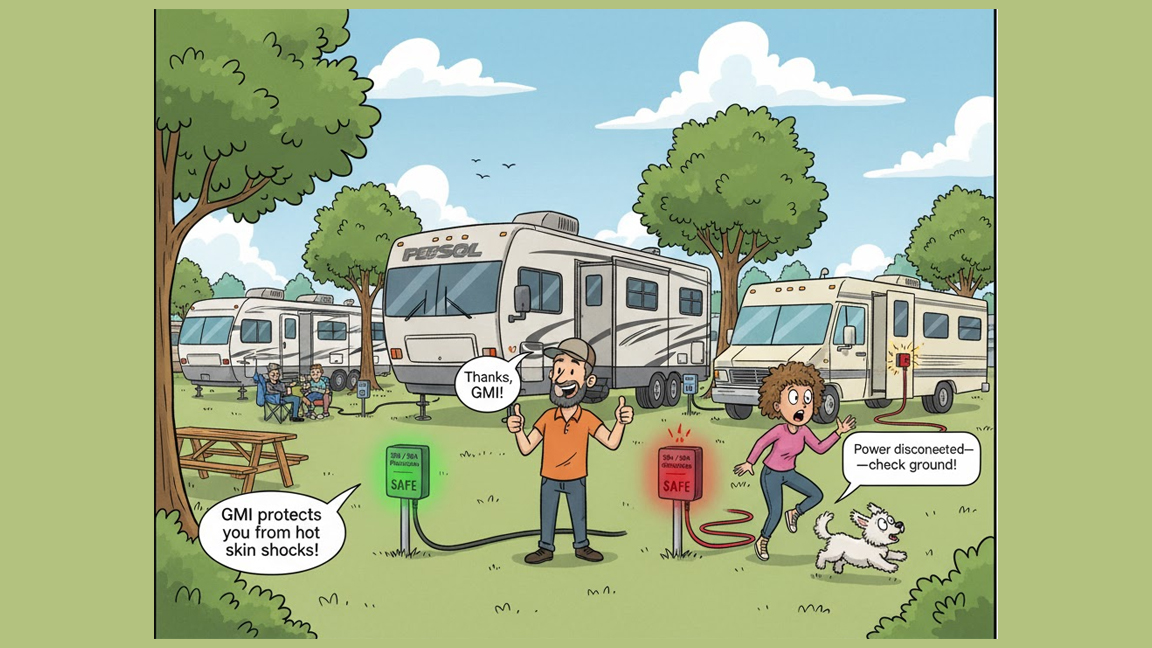
When RV Travel first reported on the upcoming GMI requirement, reader reaction was unusually strong. Much of the discussion focused on campground electrical systems and how the new devices might interact with older power pedestals.

GMIs are designed to verify that a proper equipment ground exists before allowing power into an RV. If a grounding problem is detected, the device can interrupt power.

Supporters say the technology adds an important layer of electrical safety. Critics have questioned how often campground electrical systems might trigger the devices and whether some parks could face pressure to upgrade aging infrastructure.

The debate highlighted a reality many experienced RVers already know: Campground electrical systems vary widely in age and condition.

“Many RVers worried that older or improperly maintained campground pedestals could fail the grounding checks required by the new devices.”

What campgrounds may need to do

The rollout does not affect only RV manufacturers.

Campground operators may increasingly need to verify that pedestals provide continuous grounding protection and comply with applicable electrical standards.

Industry groups have repeatedly said campgrounds should inspect and maintain their electrical systems to ensure proper grounding.

That doesn’t necessarily mean widespread campground upgrades are imminent. However, it does mean electrical maintenance and testing may receive greater attention as more GMI-equipped RVs enter service.

What happens next?

For now, nothing changes for owners of existing RVs. The requirement applies to newly manufactured units, not RVs already on the road.

But the approval of a Model Year 2028 enforcement date means the countdown has effectively begun. For RV buyers shopping over the next two years, GMIs may become one of the more significant electrical changes to appear in new RVs. Whether RVers view them as a welcome safety feature or a potential campground compatibility headache remains a matter of debate.

One thing is now clear: The debate is no longer about whether GMIs are coming. The industry has now put a date on when RV buyers may start seeing them.

Sources include:
RVIA GMI enforcement announcement

RELATED

RVT1265b

A California county may let people live in RVs full time. Could others follow?

For years, RVers who wanted to live full-time on their own property have often run into the same obstacle: local zoning rules.

Now, one California county is considering a change that could make long-term RV living legal on private property. The proposal under discussion in Kern County could create a legal path for some residents to use RVs as permanent dwellings.

The idea is still working its way through the local approval process. But it raises a bigger question for RVers everywhere: Could other counties eventually follow suit?

A response to housing pressures

County officials say the goal is simple: Create more affordable housing options in rural areas.

Under the proposal, property owners could potentially use RVs as primary residences on private land if they meet requirements involving utilities, sanitation, permitting and other local standards.

This would not create a free-for-all. Residents would still have to comply with county rules governing water, wastewater disposal, electrical service and land use. But it would establish a legal pathway for RV occupancy that many jurisdictions currently prohibit.

That distinction matters.

Across much of the country, living in an RV full time on private property falls into a gray area. Some counties allow it. Others prohibit it outright. Still others permit it only temporarily while a conventional home is under construction.

In fact, many RVers already know that parking an RV on property during a building project is often allowed. Permanent occupancy is where many local governments draw the line—and where zoning battles frequently begin.

A growing trend?

Kern County’s proposal reflects a broader trend that has been gaining momentum in recent years.

Across the country, local governments have experimented with tiny homes, accessory dwelling units (ADUs), manufactured housing and other alternatives as housing costs continue to rise.

Now RVs are entering the conversation.

For some people, especially retirees, seasonal workers and rural residents, an RV can offer a lower-cost housing option than a conventional home. The challenge has often been finding a place where local regulations allow it.

That reality has produced conflicts across the country. Counties regularly face complaints about unauthorized RV occupancy, while residents argue that affordable housing options remain limited.

Why RVers should pay attention

Even if you’d never want to live in an RV year-round, this is worth watching.

Local governments frequently borrow ideas from one another. If Kern County successfully creates a system that balances housing needs with public health and safety concerns, other communities may examine similar approaches.

That doesn’t mean widespread legalization of full-time RV living is around the corner. Many communities remain concerned about infrastructure demands, wastewater management, fire safety and neighborhood compatibility.

Still, housing pressures continue to push local governments toward solutions that would have received little consideration a decade ago.

“Housing shortages are pushing some communities to view RVs as housing, not just recreation.”

The practical realities

Anyone imagining that legal RV living automatically means cheap and easy living should recognize the challenges.

Most experienced RVers already know that parking an RV is the easy part. Water, sewer and electrical hookups are where things get complicated—and expensive.

A permanent RV site typically requires reliable utility service and approved wastewater disposal. Property owners may also face permit fees, inspections and zoning requirements.

Insurance, financing and property tax questions can add another layer of complexity.

In other words, legal RV living often involves much more than simply parking a trailer on a piece of land.

What happens next?

The Kern County proposal remains under consideration, and final rules could change before adoption.

Even so, the discussion highlights an important shift. As housing affordability remains a challenge across much of the country, RVs are increasingly being viewed as more than just recreational vehicles.

Whether Kern County approves the proposal or not, other counties will likely be watching.

For RVers who dream about parking on a few acres and calling it home, that could make this one local zoning debate worth paying attention to.

Sources:
RVBusiness

RELATED

RVT1265b

RV market outlook 2026: Thinking about buying an RV? Dealers may stay motivated

The RV market outlook for 2026 may be better news for shoppers than for manufacturers. Thinking about buying an RV? The latest numbers from RV makers suggest you may not need to rush.

Two pieces of RV industry news just released point to the same conclusion: RV makers still expect to sell plenty of RVs, but they’re becoming more cautious about how quickly the market will grow over the next year.

One report lowered expectations for RV shipments in 2026. Another came from THOR Industries, one of the largest RV manufacturers in North America, which reduced its profit outlook for the year.

Neither report points to a collapse in RV sales. Instead, both suggest the industry expects a slower road back to stronger growth than many had hoped.

For shoppers, that could be good news.

What the latest numbers are saying

RV market outlook 2026: New forecasts suggest dealers may stay motivated, giving RV buyers more choices and negotiating power. Manufacturers still expect healthy sales activity, but not at the pace projected a few months ago.

At nearly the same time, THOR Industries reported quarterly results that reflected many of the same concerns. The company, whose brands include Airstream, Jayco, Keystone and Dutchmen, said buyers remain cautious and lowered its earnings outlook for the remainder of the fiscal year.

The important detail is what THOR did not do. The company did not slash its sales forecast. RVs are still moving. Buyers are still shopping. Manufacturers simply aren’t expecting demand to accelerate as quickly as they once thought.

Slower growth isn’t the same as decline

That’s an important distinction, that slower growth isn’t the same as decline.

The RV industry is coming off several years of dramatic swings. The pandemic buying boom sent demand soaring. Then came higher interest rates, inflation and higher vehicle prices, which made many shoppers think twice before making a major purchase.

Today, the market appears to be settling into a more normal pattern.

RV makers still expect substantial production and sales activity. Campgrounds remain busy, and millions of Americans continue to travel by RV. What appears to be changing is the expectation that growth will quickly return to boom-era levels.

In other words, RV makers aren’t waving a red flag. They’re simply becoming more realistic about the pace of recovery.

What buyers may notice

For shoppers following the RV market outlook for 2026, that could create opportunities. Most RVers won’t follow shipment forecasts or earnings reports. They’ll notice what happens at dealership lots.

When manufacturers expect slower growth, dealers often become more focused on moving inventory and less willing to wait for buyers to come to them.

That can create opportunities.

A softer market may mean continued discounts, special financing offers or greater willingness to negotiate. Buyers may also find more inventory available instead of competing for a limited number of rigs.

That doesn’t mean every RV suddenly becomes a bargain. Popular floor plans and in-demand models can still command strong prices. But buyers may have more breathing room than they did during the height of the post-pandemic buying frenzy.

Why this matters

“Dealers still have RVs to sell, manufacturers still want orders, and the pressure to buy right now may be lower than it was a few years ago.”

Industry forecasts don’t always affect RVers directly. This one might.

The latest reports suggest manufacturers are preparing for a market that grows slowly rather than rapidly. That typically means dealers remain focused on earning each sale instead of simply waiting for the next customer to walk through the door.

For shoppers, the takeaway is simple. Dealers still have RVs to sell, manufacturers still want orders, and the pressure to buy right now may be lower than it was a few years ago. That’s not a guarantee of a bargain, but it could mean more time to shop, compare and negotiate before signing on the dotted line.

Sources
THOR Industries fiscal 2026 third-quarter results

Woodall’s Campground Management report on revised RV forecast

RELATED

RVT1265b

RV Daily Tips. Tuesday, June 9, 2026

America’s Original RV Newsletter. Since 2001
Issue 2922 • New issue every weekday


Today’s thought

“To travel is to discover that everyone is wrong about other countries.” Aldous Huxley


Need an excuse to celebrate? Today is National Call Your Doctor Day!

On this day in history: 1732 – James Oglethorpe is granted a royal charter for the colony of the future U.S. state of Georgia.


Tip of the day
What you’ve been told about your RV’s anode rod is wrong

By Andrew Herrick
Here’s a nugget of conventional, albeit incorrect, wisdom about RV water heaters: “Steel tanks require an anode rod to protect against rust, but because aluminum doesn’t rust, aluminum tanks don’t require an anode rod.”

Unfortunately, that’s not quite accurate. Actually, both types of tanks require cathodic protection. But Dometic has cleverly integrated the protection into the tank lining itself. Suburban has chosen to rely on a separate, replaceable anode rod.

Not sure what an anode rod is? Well, you see, city water carries minerals and heavy metals that eat away common metals. Unchecked, these elements will corrode the walls of the metal water tank, which is pressurized under operation up to 80 psi. Abandoned, after enough time the water heater’s tank will corrode, pit, crack, and fail. Continue reading.


Article and video
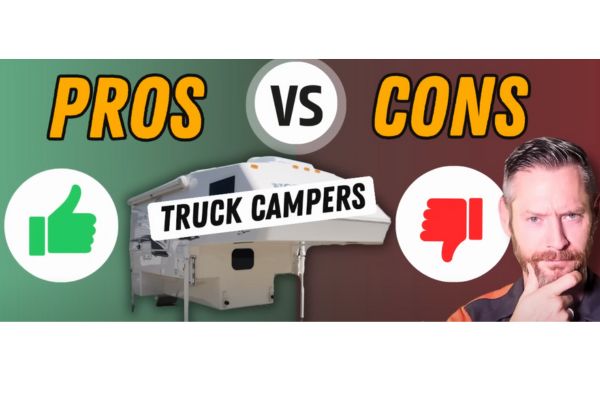
RV tech shares the pros and cons of truck campers

By Cheri Sicard
Truck campers spark a lot of opinions in the RV world. Some wonder why anyone would pick this style of RV over a travel trailer or a big motorhome. Others swear by their versatility. Knowing the real pros and cons helps anyone thinking of a truck camper make the best decision for their travels. In today’s video, certified RV tech Jacob Rigor shares those pros and cons.


THE MORE YOU KNOW… Canada has the most lakes in the world. It is estimated to hold anywhere from 879,000 to more than 3 million lakes—meaning it contains more lakes than the rest of the world combined and accounts for roughly 60% of all lakes globally


Featured article
If you’re slamming your RV’s door, you’re doing it wrong!

By Gail Marsh
Bang! Bang! Was that a gunshot?! No, thank goodness! Bang! Is it hammering?! No, it’s not that either. Huh. It stopped. Good! Now I can go back to … Bang! I jump every time I hear it. Bang! Then, realization strikes: Please stop slamming your RV door! Here’s how.


Save money—don’t toss away good batteries!
Most RVers rely on battery-powered devices like flashlights, radios, lights, etc. But sometimes we can’t tell how much life a battery has LEFT, so we toss it. This inexpensive tester will alert you in an instant to a battery’s condition, saving you money from tossing ones with plenty of remaining life! Works on AA, AAA, C, D, 9V, and button-type batteries. Learn more or order.


Ask Dave
Are pollen and dust harmful to an RV? What to do about it

Read Dave’s advice.


Reader poll
What color is your car?

Respond here.


Run your air conditioner with little power
Running an RV air conditioner on a 20-amp household outlet sounds impossible—unless you have a SoftStartRV™. This small device reduces startup current dramatically, helping many RVers cool their rig when they never could before. Learn more.


Quick tip
Safely plugging into shore power

When plugging your RV into the power pedestal at an RV park (or anywhere), make sure the breaker switch is in the “off” position. Switch it on after you have plugged in.


Website of the day

The 8 Best National Parks in Canada
We talk a lot about American national parks, but of course we can’t forget about our Canadian friends. News flash: Canada is GORGEOUS!


? MYSTERY PRODUCT OF THE DAY ?
This made us laugh out loud! As soon as you see it, you’ll know EVERY RVer needs this on their RV (yes, on it!). [We know some of you already have this.]


And the survey says…

We’ve polled RVtravel.com readers more than 5,000 times in recent years. Here are a few things we’ve learned about them:

• 34 percent have taken an ancestry DNA test like 23andMe or AncestryDNA.
• 7 percent have never ridden a horse.
• 59 percent have served in the military.

Recent poll: Have you ever encountered a bear while hiking or camping?


Trivia

Modern nail polish debuted in the mid-1920s. By 1931, 85 percent of American college women were wearing it. Classic red is the most popular nail polish color, followed by nude shades and vibrant blues (as of 2025).


Readers’ pets of the day

Renderedi 5749ffb639c8b2cb574b3700c1681d52“Bella, Tucker, Jazzby (Boston Terriers and a Flat-Coated Retriever, ages 4, 14, 15). Here they are waiting for their bedtime snack. Tucker and Jazzby crossed the rainbow bridge within months of each other recently. These were the three best friends we could ask for, and they loved camping till the older two had trouble with the steps.” —Rick Woodring

HELP! WE’RE RUNNING LOW ON PHOTOS! Send us a photo of your pet with a short description. No blurry photos, please! Please do not submit your pet more than once. Thanks!


FREE IS GOOD! Discover Delaware—Explore the First State’s must-try dining spots, outdoor adventures, beautiful beaches, and unforgettable local experiences. Get the new Travel Guide online or by mail.


Wholesale WarrantiesStop RV Repair Bills from Ruining Your 2026 Travels
Say goodbye to rising RV repair costs when you protect your RV and your travel budget with Wholesale Warranties this new year. With 20+ years of experience, personalized coverage options, and 5-star customer support, we help RVers stay on the road. Save on costly repairs, enjoy flexible coverage including mobile mechanics, and travel worry-free all year long. Get your FREE personalized RV warranty quote today and enjoy peace of mind for every mile.


Leave here with a laugh


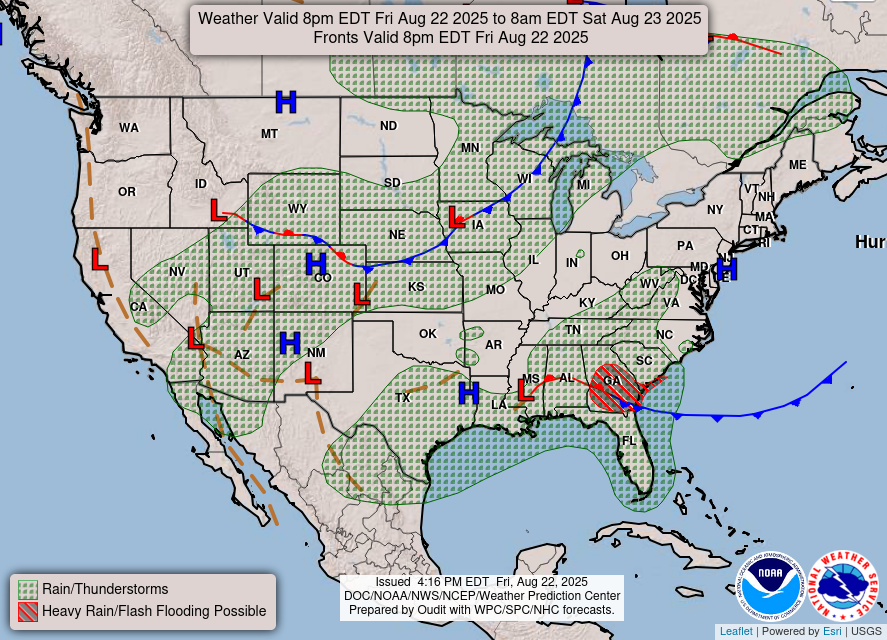
Today’s weather forecast across the nation
THIS MAP UPDATES TWICE A DAY

Visit Current National Radar Weather Map


Did you miss the latest RV Travel Newsletter? If so, read it here.
Oh, and if you missed the Latest News for RVers, make sure to catch up here.


If you shop at Amazon.com we’d appreciate you using this link. We get an itty bitty commission if you buy something, but they add up and help us pay our bills (most importantly our hard-working writers!). 


RVtravel.com All-Star Staff

Click here for information about our staff and how to contact us.

WHY WE ASK FOR DONATIONS INSTEAD OF SELLING SUBSCRIPTIONS.

Our policy on using artificial intelligence.

Are pollen and dust harmful to an RV? What to do about it

A few weeks ago we were walking our dog and noticed the air was full of those little white floaties that my wife claims she is allergic to. The edges of the lawns looked like it had snowed and the sky was as white as a snowy Christmas Day. My wife made a comment about how they could be harmful to RVs. That made me think about what environmental issues might affect an RV, such as the floaties from cottonwood trees, dust, and even pollen.

These little white floaties come from cottonwood trees and are called cottonwood fluff or summer snow. They are the seed-bearing material released by female cottonwood and poplar trees in late spring and early summer. They are actually non-allergenic. The itchy eyes and runny nose are due to pollen from grass and other trees.

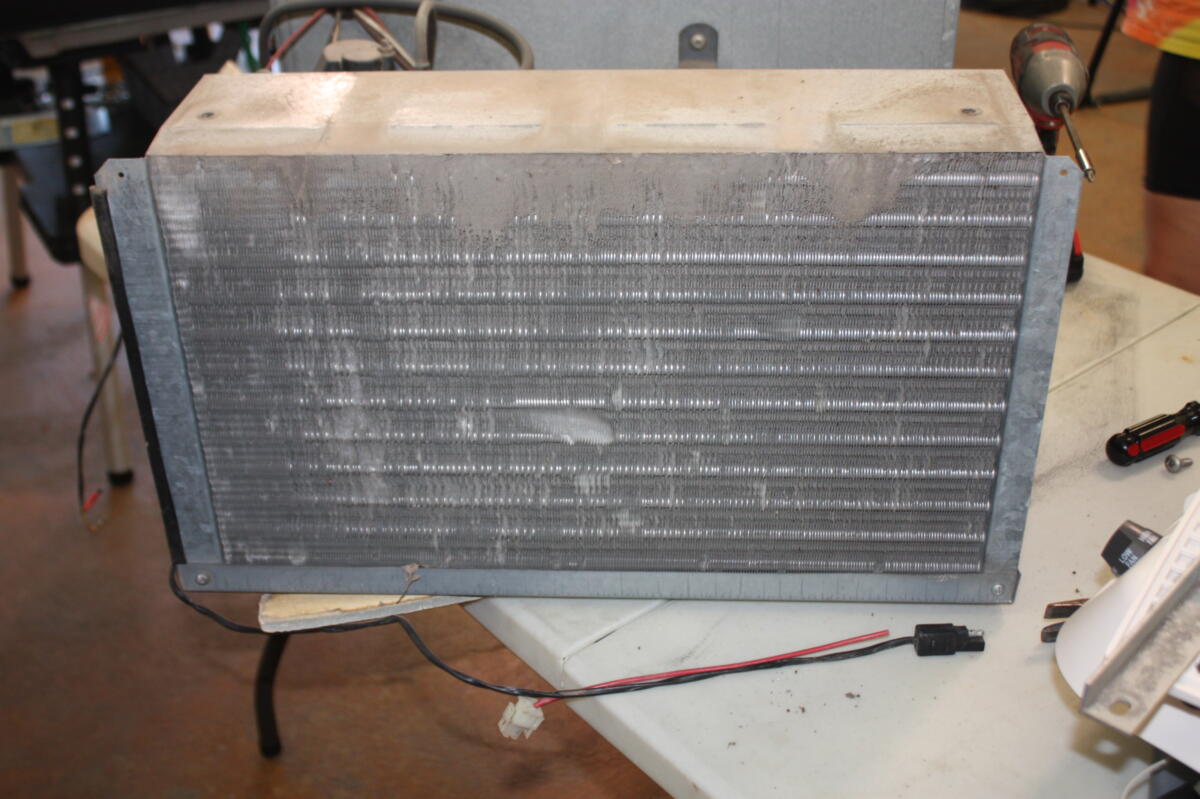
Although harmless to humans, these “cotton balls” can accumulate on the condenser fins of your roof top air conditioner and block airflow. That would affect the efficiency of the A/C and could ultimately cause the unit to fail. They can also accumulate in large masses. If they get stuck in the cracks and crevices of your engine exhaust manifold, it could start on fire.

Several years ago the president of Newmar had a Jeep being towed to the RVIA Louisville show that caught on fire due to debris lodged in the engine manifold area. He pulled into the parking lot, unhooked the Jeep from the tow bar and let it idle. When he came back around the rig, the Jeep was on fire!

Pollen and dust can damage RV’s exterior

Other environmental conditions such as pollen and even dust can be damaging to the RV’s exterior if left unchecked.

Even though pollen and dust seem to be smooth and not something that would scratch or damage the exterior surface, under a microscope, pollen has very sharp spikes and dust is actually like sharp pebbles. Both can act like sandpaper.

Both pollen and dust are acidic and can corrode the gel coat finish of the fiberglass when wet. And, as stated before, they act like sandpaper, so they become abrasive when you try to clean the rig. Coating the windshield reduces visibility and causes scratches when the wiper blades are activated. Also, they pit the flat finish of the rubber blades, making them less efficient.

Pollen and dust particles can get into the engine air filter. They not only clog the filter, but get drawn into the cabin and aggravate allergies. The roof air conditioners do not draw in outside air. However, pollen and dust particles can reduce the airflow through the condenser, just like the cottonwood trees’ “cotton balls”.

Maintenance and precautions

Clean and inspect your roof air conditioner more often in the spring. Use a low pressure hose to flush out anything in and on the condenser coil, and on the fins at the back or around the sides of the unit.

Air Conditioner Condenser
Air conditioner condenser

Replace your engine air filter and any cabin filter your vehicle has in the spring. Repeat a few months later if there is high pollen count.

Clean your windshield with a low pressure hose and wipe off the wiper blades with a soft cloth and cleaner. I use 303 Protectant to not only clean but condition, as well.

Rinse the rig down thoroughly and clean with Meguiar’s Gold Class Car Wash. It is kind to ceramic coatings as well as the gelcoat of traditional fiberglass. You can find it on Amazon here.

Meguiar's Gold Class

Never wipe down with a dry rag. It is also a good idea to periodically rinse the rig if there is a heavy pollen count or a lot of visible dust. Pollen and dust in the air can get “caked” on a rig during a rain as the moisture captures it and coats your rig. Periodically rinsing the exterior helps keep it from doing so.

During the spring and especially on days with a heavy pollen count, keep the windows closed. Vacuum the floor periodically and wipe down all furniture and countertops. It is also a good idea to get an air purifier that scrubs the air. Clean or replace your roof air conditioner filter that is in the return air chamber.

Waxing the exterior fiberglass with the recommended Meguiar’s RV & Boat wax will help keep pollen and dust from sticking to the surface. You can find it on Amazon here.

Meguiars Wax
Meguiar’s Cleaner Wax

Your rig’s appearance is the most important item when it comes to resale value. A faded, dull exterior will drop the value dramatically even if everything else is in top shape!


 You might also enjoy these posts from Dave 

DAVE HAS ANSWERED MORE THAN 1,000 readers’ maintenance and repair questions. Read a directory here. There is so much to learn!


Dave Solberg is a leading expert in the RV industry and the author of the “RV Handbook.”

HAVE A QUESTION FOR DAVE?

Send your inquiries to him using the form below.

Name
Drag & Drop Files, Choose Files to Upload

RVDT2922

What you’ve been told about your RV’s anode rod is wrong

Here’s a nugget of conventional, albeit incorrect, wisdom about RV water heaters: “Steel tanks require an anode rod to protect against rust, but because aluminum doesn’t rust, aluminum tanks don’t require an anode rod.”

Unfortunately, that’s not quite accurate. Actually, both types of tanks require cathodic protection. But Dometic has cleverly integrated the protection into the tank lining itself. Suburban has chosen to rely on a separate, replaceable anode rod.

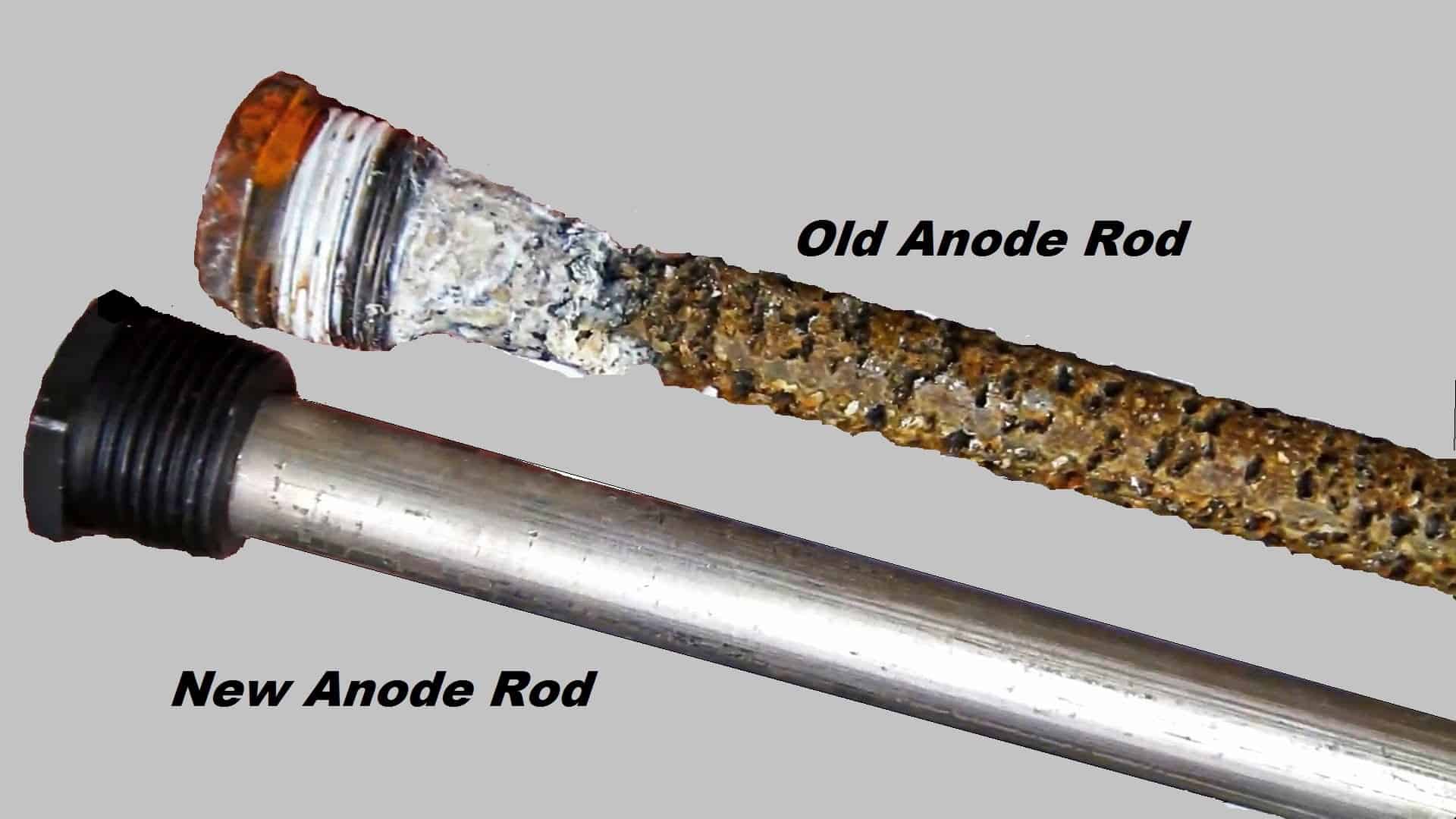
An anode rod will lay down its life for its friends

Not sure what an anode rod is? Well, you see, city water carries minerals and heavy metals that eat away common metals. Unchecked, these elements will corrode the walls of the metal water tank, which is pressurized under operation up to 80 psi. Abandoned, after enough time the water heater’s tank will corrode, pit, crack, and fail.

Passive anodes lay down their lives for their friends. The corrosive elements eat away the metal of the sacrificial anode instead of the tank. Once an anode rod has about 25% life left, it should be replaced. Many RV owners make a habit of replacing their anode rod once a year while draining and descaling their water heater while winterizing, or while sanitizing and bleaching during dewinterizing.

Two types of anode rods: magnesium and aluminum

There are two types of water heater anode rods. All standard RV anode rods are 0.75 inches in diameter and 9.25 inches long.

Magnesium: Best for soft water and the widest range of protection. It’s the most common choice for RV water heaters.

Aluminum/zinc: Best for hard water and water rich in sulfates, which can cause a rotten egg smell. Aluminum anode rods typically corrode slower than magnesium. However, they may offer less protection because of aluminum’s relatively benign galvanic potential relative to carbon steels.

Does a Dometic aluminum tank still need an anode rod?

Now, as I said, both Suburban (steel) and Dometic (aluminum) tanks do actually require cathodic protection. However, Dometic has integrated the anodic material into the tank lining; Suburban uses a replaceable anode rod.

Suburban uses a glass-lined steel tank. In the perfect world, no anode rod would be required, because the glass enamel electrically isolates the tank metal. However, over time, micro cracks and pinholes develop in the glass lining. Water sneaks in. Galvanic corrosion begins. The anode rod is recruited into action as the next line of defense.

Dometic, on the other hand, fuses a layer of 7072 aluminum (aluminum + zinc) to the interior of their high-strength aluminum tanks. This 7072 aluminum layer is a permanent integral anode, which should last the lifetime of the tank. No aftermarket rod is necessary.

That’s why Dometic will tell you that an aftermarket anode rod is NOT recommended for their conventional 6-, 10-, and 16-gallon water heaters. It already has a built-in anode. Plus, the steel threads of an aftermarket anode rod can easily gall or seize when screwed into the aluminum tank threaded fitting (normally reserved for the drain plug). Good luck unscrewing that!

RELATED

RVTDT2922

RV tech shares the pros and cons of truck campers

By Cheri Sicard
Truck campers spark a lot of opinions in the RV world. Some wonder why anyone would pick this style of RV over a travel trailer or a big motorhome. Others swear by their versatility. Knowing the real pros and cons helps anyone thinking of a truck camper make the best decision for their travels.

In today’s video, certified RV tech Jacob Rigor shares those pros and cons.

A truck camper is an RV unit designed to slide into the bed of a pickup. Unlike travel trailers or motorhomes, a truck camper sits right on top of the truck and can be removed when not in use. It combines the freedom of a truck with the convenience of a small living space, but isn’t always the right fit for everyone.

People choose these for many reasons, from budget to adventure. Though they seem straightforward, truck campers carry some unique benefits, along with a few challenges. Here are a few quick points many shoppers ask about:

  • Often cheaper than most motorhomes
  • Easier storage and less maintenance
  • Smaller living quarters and storage space

Truck campers aren’t an obvious pick for every RVer, but they appeal to those who want adaptability and simplicity.

Top benefits of truck campers

1. Affordable entry point: Truck campers usually cost less than most full-size RVs. The smaller size keeps purchase prices lower.

2. Less maintenance needed: No chassis to maintain, no extra tires or wheel bearings on the camper itself, and no engine or oil to deal with.

3. Upgrading trucks is simple: Owners can keep their camper even if they swap out trucks. Got a new pickup? Just move the camper over.

4. Easy to maneuver: The camper rides right on the truck’s chassis, keeping turning and parking much like a regular pickup.

5. Ability to tow another vehicle: You can tow a trailer, boat, or ATVs behind the truck camper, opening doors for extra adventure.

6. Lower ongoing costs: Most states see a truck camper as cargo, not a vehicle, so there’s less paperwork and no separate registration.

7. 4×4 adventure-ready: Mounting a camper on a four-wheel-drive truck gives off-road capability without the premium price tag of dedicated 4×4 RVs.

8. Flexible mounting options: Put the camper on your truck, a large boat, or even mount it on a flatbed or trailer to create a DIY toy hauler.

Why maintenance is simpler

Truck campers skip a lot of chores found in bigger RVs. Owners don’t worry about things like camper tires, separate wheel bearings, or oil changes for the living unit. Fewer moving parts mean less can go wrong:

  • No separate tires to maintain
  • No RV-specific brakes or axles
  • No engine maintenance

These RVs offer unique flexibility and customization options. Adventurers can remove the camper when not in use, swap it onto different vehicles, or mount it in creative ways. Some even mount campers on trailers or improvise toy-haulers.

Challenges and drawbacks

1. High center of gravity: Sitting tall on the bed makes trucks more top-heavy and prone to sway or tipping, especially off-road or in wind.

2. Handling can be rough: Standard truck suspensions aren’t built for tall, heavy loads. Many owners add stiffer springs or helper air bags, which can make unloaded rides bumpy.

3. Small living space: Interiors feel cramped compared to most travel trailers or motorhomes. They work best when you just need a place to crash.

4. Limited tank capacity: Smaller fresh water and holding tanks mean shorter trips away from hookups.

5. Minimal storage: Sparse room for cargo inside challenges anyone packing for long stays or with bulky gear.

Safety considerations

The weight of a truck camper rides high, making the whole setup less stable on sharp turns or slanted ground. Crossing steep slopes or driving in strong side winds pushes the limits. Always manage your speed, avoid sharp maneuvers, and keep cargo weight low. Suspensions on most trucks sag under tall, heavy campers, affecting steering and braking. Upgrades like heavy-duty springs or air bags help, but can leave the ride feeling stiff whenever the camper isn’t loaded.

Space is tight in truck campers. Interior layouts limit sleeping, cooking, and relaxing room. Tiny water and holding tanks can cut trips short. They’re best for people who use the RV for shelter and meals but spend most days exploring outdoors.

Who should consider a truck camper?

Truck campers work well for minimalist campers, off-road explorers, and anyone who needs a flexible RV setup. They suit people who value portability, wish to keep a 4×4 truck for adventuring, or want to save on costs.

RELATED

RVDT2922

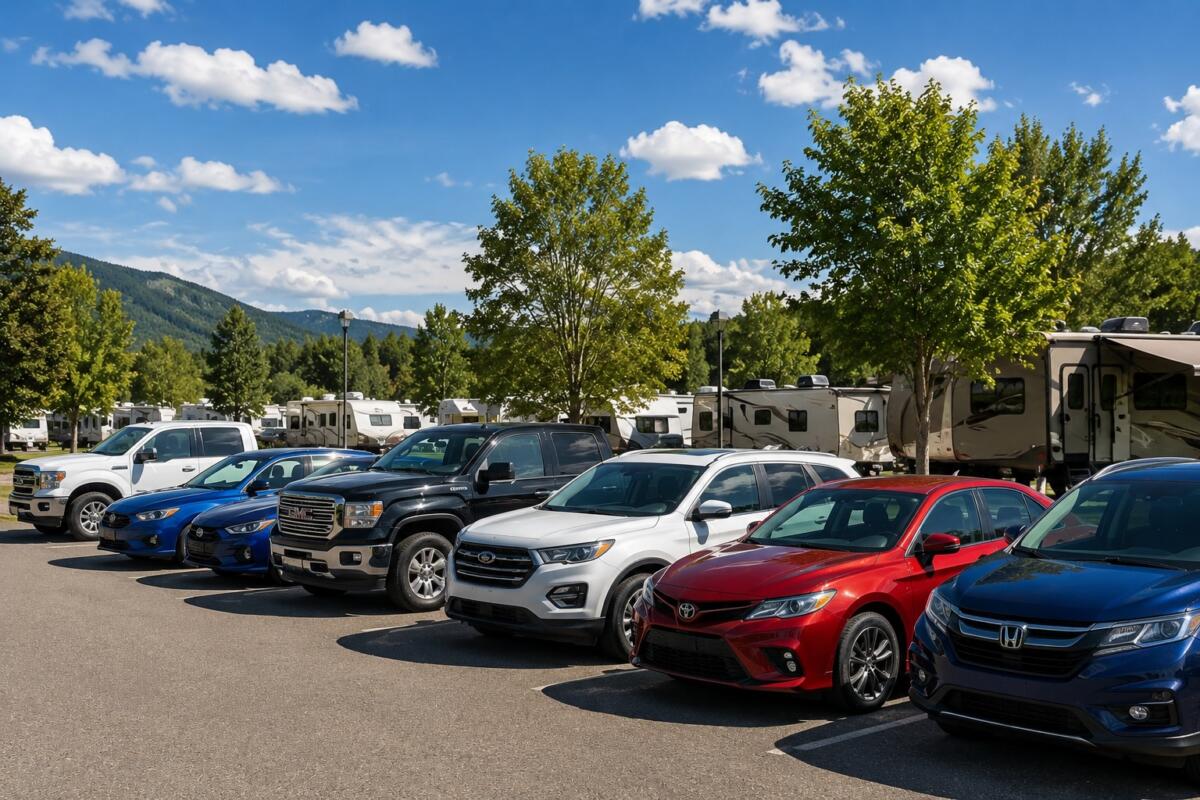
What color is your car?

21

Do you remember the color of the very first car you ever drove? Maybe it was bright red, faded blue, classic white, or one of those shades of beige that seemed to be everywhere for a while. Car colors often become part of our memories. Sometimes we even nickname our vehicles based on their color.

That got us wondering about the vehicles RVers are driving today. Walk through any campground, and you’ll see plenty of white trucks, silver SUVs, black pickups, and just about every other color imaginable.

Some people choose a color they love. Others take whatever color was available when they found the right vehicle at the right price.

So here’s today’s question: What color is your car?

If you have more than one vehicle, vote for the one you drive most often. And if your tow vehicle, daily driver, or motorhome happens to be a unique color, we’d love to hear about it in the comments.

Thanks for voting and sharing a little about the vehicle that gets you where you want to go.

MORE POLLS YOU MIGHT LIKE:

RVDT2922

Many travelers booking ahead to avoid price increases

2

Fullstory, a leading behavioral data company, has released the results of its 2026 Travel & Hospitality Survey, which explored shifting travel behaviors, booking preferences, and experience expectations among more than 1,000 U.S. consumers.

The survey was aimed at the entire travel industry, not RV travel specifically.

Key findings:

• 70% of respondents traveled in the past year or plan to travel this year.
• 61% of respondents cite hidden or unexpected fees as their top frustration when booking travel.
• 33% are cutting back on budgets or shortening trips.
• 31% are booking earlier to avoid price increases

“As costs rise and budgets tighten, consumers are still planning to travel, but they are making more deliberate decisions about when, how, and where they spend,” said Jason Wolf, president, Fullstory. “More intentional demand means that success will be defined less by volume and more by precision. The travel brands that can deliver the right experience at the right moment—while removing friction and building trust—will be best positioned to win market share and customer loyalty.”

Travelers are spending more cautiously — but travel demand is holding strong

Despite economic pressure, travel demand remains resilient, with 70% of respondents indicating recent or planned travel activity. However, consumers are showing greater cost sensitivity and planning discipline, optimizing timing and budgets, to maintain their current travel frequency.

In addition to booking earlier and reducing the duration of trips to avoid higher prices, 20% of consumers are choosing alternate travel options, such as driving instead of flying.

Consumers over the age of 45 are least likely to adjust plans in response to rising costs, with 25% of Baby Boomers and 18% of Gen X reporting no changes to travel behavior, compared to 14% of Millennials and 8% of Gen Z.

Traditional planning tools still win

Consumers continue to rely on established digital channels when planning travel:

• Search engines (53%)
• Online travel agencies (51%)
• Direct airline or hotel websites (44%)

But AI tools such as ChatGPT and Claude are beginning to enter early-stage travel planning, with 15% of respondents using AI platforms to start their search, including 19% of Gen X, 17% of Millennials, 15% of Gen Z, and 4% of Baby Boomers.

Rising costs and uncertain economic futures contribute to the value of streamlined, flexible booking experiences. The most important factors influencing consumer travel decisions were:

• Price/value (77%)
• Customer service quality (51%)
• Convenience of booking (48%)

Poor booking experiences and hidden costs drive consumers away

The survey highlights persistent friction across the booking process. Nearly 70% of respondents said they would be likely to switch travel brands after a negative experience, emphasizing the importance of providing a seamless customer journey.

Top pain points include:
• Hidden or unexpected fees (61%)
• Delayed or unhelpful customer service (37%)
• Limited availability or inventory issues (34%)

Booking abandonment is also common, with 31% of consumers citing last-stage price changes as the reason they fail to complete purchases, while 24% leave to compare options and do not return.

Personalization is important

Consumers are receptive to personalization, but they want tangible benefits rather than inspirational recommendations.

More than half of respondents (55%) said personalized pricing, discounts, or bundled offers would be the most impactful way to improve their travel experience, showing that cost savings remain the strongest driver of perceived value. Fewer respondents prioritized destination recommendations (41%) or content-based suggestions (26%), signaling that personalization is more effective when it directly supports decision-making and affordability.

RELATED

RVT1265b

Hiker dies of heatstroke in Grand Canyon

1

On June 3, at approximately 1:40 p.m., the Grand Canyon National Park Regional Communications Center received reports of an 18-year-old male experiencing heat-related symptoms below Havasupai Gardens on the Bright Angel Trail. National Park Service rangers responded and located the individual approximately 30 feet below the trail in a remote area near Garden Creek.

Despite rapid response efforts by park rangers and a coordinated helicopter rescue operation, lifesaving measures were unsuccessful.

Heatstroke happens when body temperature rises quickly and a person can’t cool down. It can be life-threatening by causing damage to the brain and other vital organs. It may be caused by doing strenuous activity in the heat or by being in a hot place for too long. Heatstroke can happen without having any previous heat-related condition, such as heat exhaustion.

The individual was on a day hike from the South Rim to the Colorado River and back via the Bright Angel Trail. The incident is under investigation in coordination with the Coconino County Medical Examiner’s Office. The individual’s name is not being released pending next of kin notifications. No additional information is available at this time.


Other articles you may find interesting

Utah’s Scenic Byway 12 is a bucket-list RV drive, but don’t just wing it

Every few years, somebody rediscovers Utah’s Scenic Byway 12 and declares it one of America’s most beautiful drives. This time it’s the travel editors at Travel and Leisure, whose recent feature highlighted the 122-mile route between Bryce Canyon and Capitol Reef and the remarkable scenery packed into a relatively short stretch of road.

Why isn’t there an I-50 or I-60?

By Gail Marsh
I was researching an upcoming RV trip with my grandson. As we poured over maps and Googled routes, he asked, “Why isn’t there an Interstate 50 or 60?” I was baffled. Together we searched for the answer. Here’s what we found.

RVT1265b

RV Daily Tips. Monday, June 8, 2026

America’s Original RV Newsletter. Since 2001
Issue 2921 • New issue every weekday
This free edition is made possible by 6% of our readers who support RV Travel with a voluntary subscription. Advertising helps, but that alone is not sufficient.


Today’s thought

“It is more fun to talk with someone who doesn’t use long, difficult words but rather short, easy words, like ‘What about lunch?'” —A. A. Milne


Need an excuse to celebrate? Today is National Best Friends Day!

On this day in history: 1949 – George Orwell’s dystopian novel “1984” is published in the United States.


Tip of the day
How to contain and organize RV kitchen utensils

By Gail Marsh
Perhaps you’ve been there: a darting deer with a death wish forces you to brake suddenly, and crash! All of your kitchen utensils jump, tip, or fly into the air and flop off the counter onto who-knows-where on the floor.

We all need and use kitchen utensils. The trouble is that many RV kitchens offer very little storage space for them. Let’s look at ways to solve this common problem.


More tips from this weekend you may have missed:


Kimberley Kube LifestyleRV review
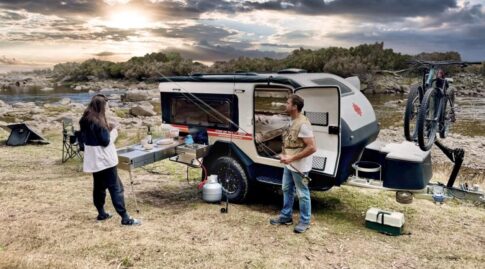
The Kimberley Kube: A 2,500-pound off-road teardrop

For a lightweight, basic, hard-sided camper, let’s take a look at the Kimberley Kube. The Kimberley Kube is built for campers moving up from roof tents and small tent trailers, but who still want real off-road gear. The result is a compact camper that feels much bigger than its footprint, and it has finally made its way to the U.S.!


jar and bottle openerJar, bottle, and can opener good for weak hands
This 6-in-1 jar and bottle opener has eight sizes of circular openings, making the jar opener extremely convenient for opening small- and medium-sized lids. The hooks on the top can be used to open the large-size lids by breaking the air tightness, and can also be used to open the ring pull cans. Learn more or order.


In the RV shop with Dustin
How to replace your RV toilet

You often do not realize how important your RV toilet is until it’s not available. Let’s assume the toilet is non-repairable or that it’s just too old. Now it’s time to update the toilet. In most cases, a replacement is a relatively simple process. The hardest step of RV toilet replacement is deciding on the replacement and determining if it works in your RV. Continue reading.


Article and video
See what damage a bear can do to an RV

In today’s video, we meet Tim, who called the California Seawood Cape Preserve home, deep in the forest and far from city noise. One night, while out with some friends, he received a vague but worrying message: “Hey, not sure but it looks like something’s wrong with your RV’s roof.” That brief note hid much bigger problems. It wasn’t a towering grizzly but instead a determined and agile small black bear, driven by the lure of food, that managed to get on top of Tim’s trailer.


THE MORE YOU KNOW… The Earth travels about 1.6 million miles around the sun every single day. So even if you’re sitting still, you’re really moving.


The latest news for RVers

To read more recent news, click here.


Featured article
Why your RV’s GVWR is different than its GAWR

By Ross Regis
Alphabet soup is hard to choke down, I know. But if you can stomach the acronyms for a few minutes, I think you’ll learn something important about your RV’s weight capacity—and maybe save yourself a tire blowout along the way. Today’s question: Why does your RV’s GVWR not match its GAWR? In other words, why is your RV allowed to weigh more or less than what the axles can carry alone? Find out here.  I break it down and make the math easy for you.


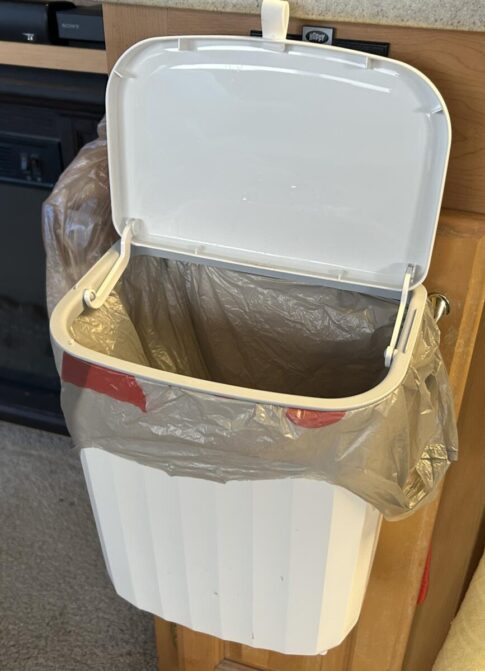
Glad Top Open 2 Img 0240A big-trash-bin alternative
“I was struggling with keeping a trash receptacle in our motorhome…. I found this Glad Roomate Undercounter Waste Bin, in which regular plastic grocery bags fit perfectly. The lid opens two ways and can either clip to a door or drawer or be mounted with an adhesive strip.” Thanks for the tip, Chris (and Keri)!


Ask Dave
Another “race to the bottom” with “fast-install” outlets

Read Dave’s thoughts on those outlets here.


Reader poll
How do you feel about your RVer neighbors hanging out wind chimes?

Respond here.


Quick tip
Must-have safety equipment

Prepare for a breakdown or flat on the roadside: Carry a set of warning triangles like commercial truckers use. Folding ones don’t take much space, but their reflectors help out at night. Be sure to place them well behind your rig to give traffic plenty of warning of your presence. Thanks to George B. for the tip! (Editor: Here are some at Amazon.com.)


Really quick tip
Make your own travel cup

Glad Press’N Seal will easily turn any cup into a nice travel cup. Just pop a hole in the top with your straw, and you’re good to go.


? MYSTERY PRODUCT OF THE DAY ?
Okay, ladies, this one is for you. You are going to LOVE this. (We mean LOVE this!) And men or partners, if you need a gift for your lady, this is it!


Website of the day

BringFido: Pet Friendly Campgrounds in the United States
BringFido is your resource for everything dog: best parks, dog-friendly restaurants, dog-friendly beaches… everything! But this specific page brings you to the best pet-friendly campgrounds across the U.S. These are nice!


Monday Motivation

Freedom means different things to different people. For RVers, it might be a quiet campsite beside a river, a mountain vista outside the windshield, or a desert sunset enjoyed from a camp chair. RVing offers a rare opportunity to choose where you wake up tomorrow. That freedom is precious. It reminds us that life is about more than routines and responsibilities. It is also about discovery, wonder, and joy. Appreciate the privilege of being able to travel and explore. Then make the most of every opportunity the road places before you.


Trivia

Pigs are highly intelligent. They’re often at the top of an animal intelligence ranking for their ability to manipulate their environment and understand symbols. Pigs can learn complex tasks, including playing video games. They’ve also been shown to possess a level of intelligence comparable to that of a 3-year-old human child. Pigs can respond to commands and exhibit emotional intelligence, showing empathy and forming strong social bonds.


Readers’ pets of the day

Img 9608 220caf414953e7417a7ccb56c291920c“T Rex (GSD, age 10) is my retired agility and dock diving dog, but still competes in barn hunt. Jinx (mixed breeds, 2) is my young dog just starting her agility career and also competes in barn hunt and dock diving. Simba (19) just went to the rainbow bridge this past Mother’s Day. All of them love going to new places and exploring.” —Mary Masters

Send us a photo of your pet with a short description. No blurry photos and please do not submit your photo more than once. Thanks!


Leave here with a laugh


Our favorite guide and travel books, atlases, and more for RVers. Click here.


Today’s weather forecast across the nation
THIS MAP UPDATES TWICE A DAY

Visit Current National Radar Weather Map


Did you miss the latest RV Travel Newsletter? If so, read it here.
Oh, and if you missed the Latest News for RVers, make sure to catch up here.


If you shop at Amazon.com we’d appreciate you using this link. We get an itty bitty commission if you buy something, but they add up and help us pay our bills (most importantly our hard-working writers!). 


RVtravel.com All-Star Staff

Click here for information about our staff and how to contact us.

WHY WE ASK FOR DONATIONS INSTEAD OF SELLING SUBSCRIPTIONS.

Our policy on using artificial intelligence.

Another ‘race to the bottom’ with ‘fast install’ outlets

A few years ago I was researching a battery company that supplied flooded lead acid (FLA) batteries to the locomotive (train) industry and for solar panel systems. Everything I found indicated they were an outstanding company with a quality product, so I called and talked to an engineer and asked why they were not in the RV industry. He stated that every time they discussed their product with an RV manufacturer all they wanted was to cut the price $30 less than what they were currently using. He came up with the phrase: “It’s a race to the bottom!”

Unfortunately, it’s too often true in this industry, as many people shopping for an RV shop by price rather than by value. Therefore, manufacturers race to find ways to cut costs rather than educating customers on value, so that the unit sits next to the competition with a lower price tag.

Electrical outlets in RVs

One such item is the electrical outlets used in many RVs. The RV Industry Association (RVIA) uses codes and specifications set by the National Fire Prevention Association (NFPA) and other safety organizations such as Underwriters Laboratories (UL) for RV safety. NFPA has specific wiring and outlet codes such as NFPA 1192 standard for safety. That requires the National Electric Code (NEC) Article 551, which dictates wiring size for RVs.

From what I have found over the years, RV manufacturers are using the correct size 120-volt wiring commonly referred to as Romex, which is actually a brand name. However, the “race to the bottom” comes with the outlet, in my opinion. Code requires a UL-listed outlet capable of handling the amp rating of the circuit breaker, which is typically 10-15 amps in a traditional outlet.

Not all outlets are the same quality

There are several types of outlet that have the amp capacity and are UL rated. However, not all are the same quality, in my opinion. The traditional residential outlet has an outlet box mounted in the wall and an outlet with either side mount screws or push-in slots in the back.

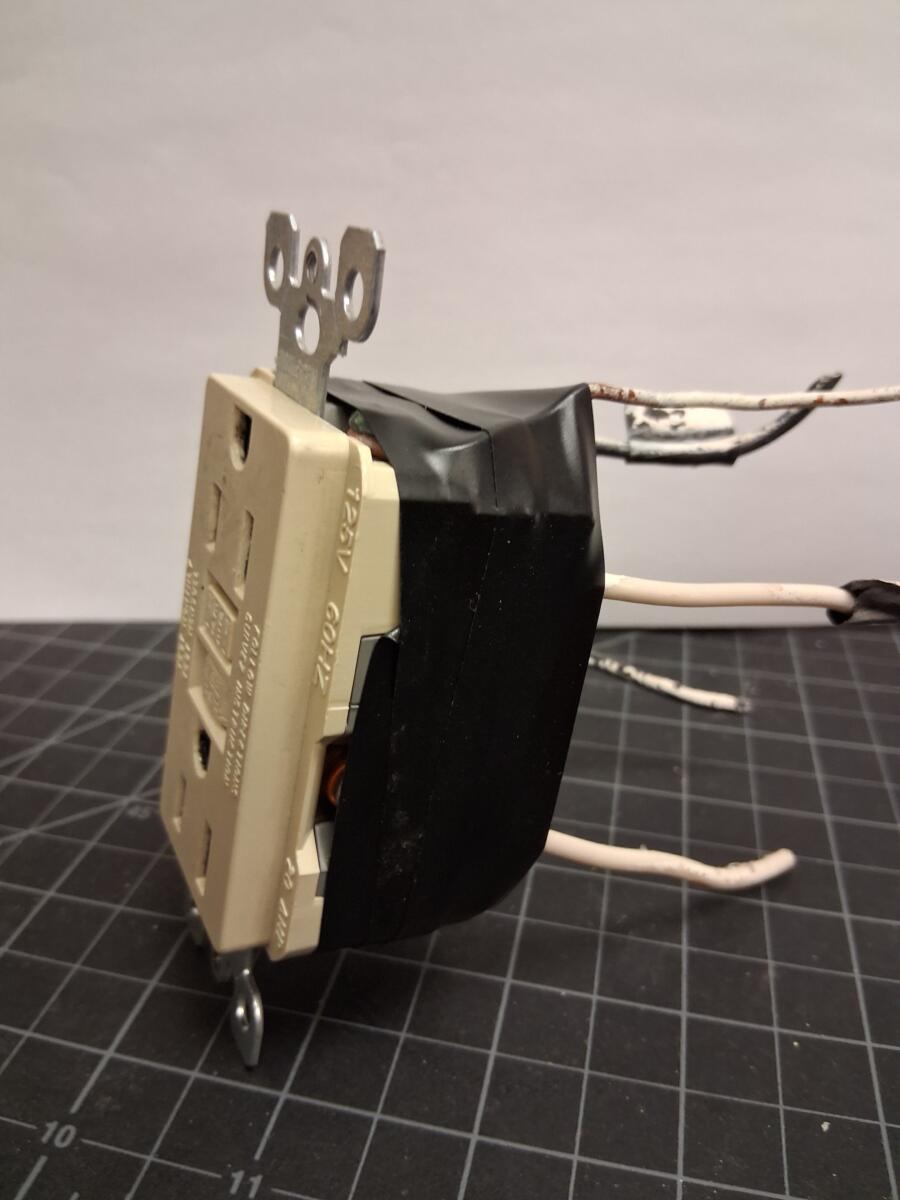
When I built my house, my certified/bonded electrician stated that he NEVER used the push-in slots in the back. He explained they are not a good contact and the wire can slip out or break off from the slot. Keep in mind, this is in a house that is not traveling 60+ mph down the road. He always connected the wires to the side posts and wrapped electrical tape around the entire outlet.

Outlet taped
Outlet taped

“Fast install” aka “self contained dual outlet”

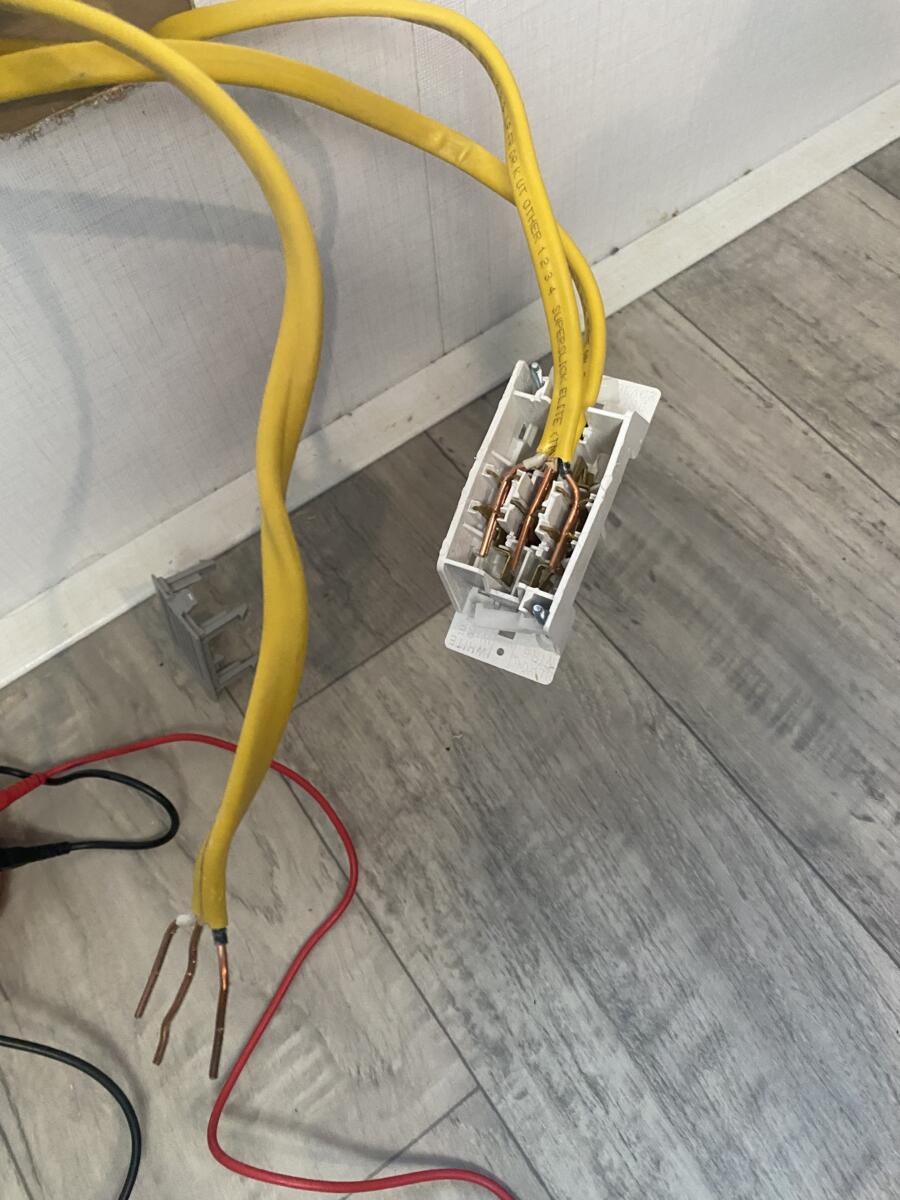
I have received several questions from readers regarding the “fast install”-type outlet called “self contained dual outlet.” This is an outlet that can be installed without a gang box and with the wires pushed into spades on the back side. It is thinner than a traditional outlet so it can be installed on a side wall that is only 2” thick, as it does not require the box. It is faster to install so there is less labor, and it does not require a gang box. So, putting several of these in an RV is a cost savings.

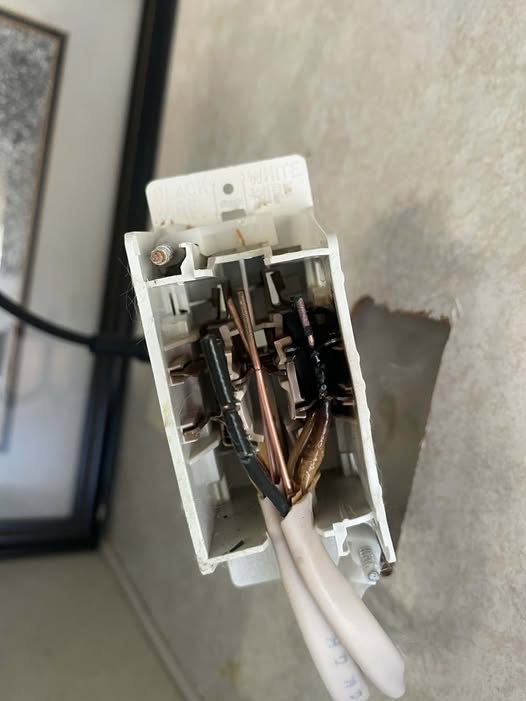
They are UL listed and rated for 15 amps, so they should be fine for an RV, right? To properly install these outlets, you need a specific tool such as the Wirecon WT900M, which costs $700. Snap-on makes a cheaper device that looks like a golf shoe spike wrench. Even if they use the proper tool and get the wires “seated” correctly, I have had dozens of readers sending pictures of this type of outlet failing due to road vibration.

Self Contained Outlet GFCI
Self contained outlet GFCI

Here is another one:

Self Contained Outlet
Self contained outlet

Traditional outlets recommended

It’s not like you have a choice of outlets. However, I would replace any of the fast install outlets with a traditional one with side posts. For outlets that are in the 2″ sidewalls, you can get a shallow outlet box on Amazon here.

Shallow Outlet Box
Shallow outlet box

Winnebago designed a wooden extension that matched the perimeter of the box and extended the outlet further out so they did not have to route the 2″ sidewall deeper.


 You might also enjoy these posts from Dave 

DAVE HAS ANSWERED MORE THAN 1,000 readers’ maintenance and repair questions. Read a directory here. There is so much to learn!


Dave Solberg is a leading expert in the RV industry and the author of the “RV Handbook.”

HAVE A QUESTION FOR DAVE?

Send your inquiries to him using the form below.

Name
Drag & Drop Files, Choose Files to Upload

RVDT2921