When you’re out enjoying the RV lifestyle, your phone can be a lifeline—whether it’s to check in with family, coordinate with friends, or just share the view from your campsite. But how do you use it most? Are you more likely to make a call (or hop on FaceTime), or do you mostly stick to texting?
Maybe you’re someone who likes to hear a familiar voice on the other end of the line. A phone call can make you feel closer to loved ones, especially when you’re parked miles from the nearest town or are states away from friends and family.
FaceTime or video calls can be the next best thing to being there in person—great for catching up with grandkids or seeing a friend’s face rather than just reading their words.
Or maybe you prefer to text. It’s quick, convenient, and perfect for nightly campground check-ins, sending a photo of the sunset, or confirming dinner plans with fellow travelers. Plus, texting works well when you’re in an area with limited cell coverage—sometimes that short message will send even when a call won’t go through.
So what about you—are you more of a talker or a texter when you’re traveling in your RV? Tap your choice in this week’s poll and let us know!
By Dustin Simpson
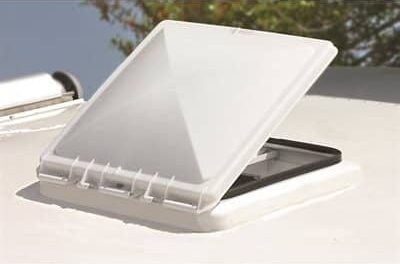
Did you know that there are five different RV vent lid styles? The main difference among them is how they hinge on the vent base. To better help yourself or your local repair shop, make sure you either remove the vent lid and take it in, or take a side and back view picture so it’s easier to match it up.
(Click/tap to enlarge.)
Selecting the correct hinge style, color and material
Many RV owners want to match their vent lids with other items on the roof such as the roof air conditioner cover. Typically, the roof vent lids come in black or white. There are also some things to consider besides the appearance when purchasing your replacement vent lids…
What type of material is it made of: polypropylene or polycarbonate?
The polycarbonate vent lid has a higher impact resistance, and states that it’s virtually unbreakable under normal use. They include a longer warranty, and the lids are thicker and stronger, which helps to extend the life.
Polypropylene is your typical standard vent lid. It is very flexible and easier to damage due to less impact resistance.
Here is a short video clip explaining what to look for when going shopping for your vent lid cover.
I hope this information helped you to understand more about RV vent lids. Here are some other great Camco vent products that you might be interested in to help keep you cool or warm in your unit:
What could go wrong with that scenario? Apparently, quite a lot.
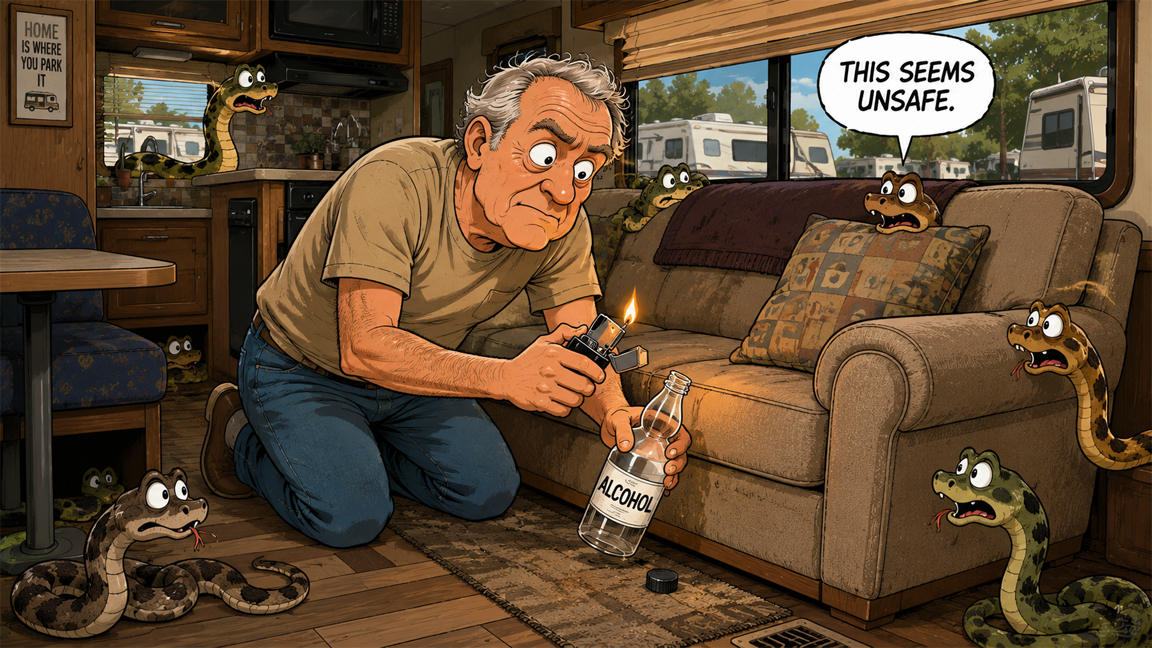
Authorities in Arkansas say an attempt to deal with snakes in an RV ended with two destroyed campers, damage to three other vehicles, and felony charges after a fire spread through part of an RV park.
If somebody handed us that setup and asked how the story would end, we’d probably guess “not well.”
We still wouldn’t have guessed this badly.
According to the Baxter County Sheriff’s Office, the incident happened May 17 at Midway RV Park near Midway, Arkansas. Investigators say a 72-year-old camper owner was trying to get rid of snakes when he allegedly used alcohol and a lighter inside his RV.
Authorities said the fire started near a couch. From there, things unraveled in a hurry.
A snake problem becomes everyone’s problem
The resulting fire quickly spread beyond the original rig.
By the time firefighters brought the blaze under control, two campers had been destroyed. Another camper sustained damage, along with a van and a motorcycle parked nearby.
Fortunately, nobody was injured.
According to investigators, the RV park owner woke nearby occupants and helped them evacuate before the fire spread farther. A dog was also safely removed from one of the threatened rigs.
Property damage was estimated at approximately $75,000.
As RVers know, campgrounds can be surprisingly vulnerable once a fire gets started. RVs often sit relatively close together, and many contain large amounts of combustible materials, from upholstery and paneling, to awnings, tires, and outdoor gear.
In this case, authorities say what began as an effort to deal with a snake problem quickly escalated into a multi-vehicle fire.
Readers probably have a few questions
We certainly do.
How many snakes were involved? What kind of snakes were they? Were they actually inside the RV—or in the perpetrator’s imagination? And, perhaps most importantly, how did a plan involving alcohol, a lighter, and a couch ever make it past the brainstorming stage?
Those details were not included in the sheriff’s report.
What is clear is that the snakes eventually became the least remarkable part of the story. The real headline was the chain reaction that followed.
Most campground wildlife encounters end with somebody backing away slowly, calling animal control, or deciding the critter can have that particular corner of the campsite for the afternoon.
This one ended with firefighters, destroyed campers, an estimated $75,000 in damage, and criminal charges.
That’s a pretty expensive way to deal with a snake problem.
Felony charges filed
Following the investigation, authorities arrested the camper owner on charges that include felony reckless burning and criminal mischief.
Whether the snakes were successfully persuaded to leave the RV was not disclosed.
For RV owners who rely on Starlink to stay connected from remote campsites, boondocking spots, and seasonal winter destinations, another round of price increases is on the way.
The latest changes affect several Starlink plans, including the Roam service popular with RV travelers and the Standby Mode option many seasonal users depend on when they’re not actively using the system.
While none of the increases are huge individually, they continue a pattern that some customers have watched unfold as Starlink has grown from a niche service into a mainstream internet provider.
For RVers who chose Starlink because it brought reliable internet to places where cellular service struggles, the question is no longer whether the service works. Most agree it does. The question is becoming how much they’re willing to pay for it.
Starlink’s latest price increases
According to notices sent to customers and reports published by technology news outlets, several Starlink plans will see monthly price increases in the United States.
The company’s Roam 100GB plan rises from $50 to $55 per month. Roam Unlimited increases from $165 to $175 monthly. Residential customers will also see increases, depending on their service tier and location.
The biggest percentage increase affects Standby Mode. The feature, which allows customers to keep an account active while temporarily not using the service, is increasing from $5 to $10 per month.
For someone who leaves Starlink in standby for six months during the off-season, the annual cost rises from $30 to $60. That’s not enough to break most budgets, but it is double what customers paid before.
Why Standby Mode matters to RVers
Many RV owners don’t use Starlink year-round.
Snowbirds may travel only during the winter months. Some RVers use Starlink for a few extended trips each year while relying on home internet the rest of the time. Others keep a dish available strictly as a backup for emergencies or extended stays in remote areas.
In the past, Starlink allowed customers to pause some plans entirely and reactivate them later. Over time, the company changed its policies and introduced Standby Mode as a way to keep service available while reducing monthly costs.
For travelers who value convenience, Standby Mode became a relatively inexpensive insurance policy. Instead of canceling service and opening an account later, users could simply pay a small monthly fee and reactivate service when needed. If the big satellite company added on big hits in high usage areas while “off line,” those who were in Standby Mode were spared the gut-punch. Those who opted to simply turn off their system pay the price when signing back up.
That convenience is still available. It just costs twice as much as it did before.
A new middle-ground option
Not all of the recent changes are price increases.
Starlink has also introduced a new Roam 300GB plan priced at $80 per month. The new tier sits between the existing 100GB and Unlimited plans and may appeal to RVers who stream television, make video calls, or work remotely while traveling but don’t need unlimited data every month.
For some travelers, the new option could actually reduce costs compared with moving directly to the more expensive Unlimited plan.
Still cheaper than many alternatives?
Despite the increases, many RVers will likely conclude that Starlink remains worth the cost.
The service continues to offer internet access in many locations where cellular hotspots struggle or fail entirely. For remote workers, content creators, online business owners, and travelers who spend extended periods on public lands, dependable connectivity can be more necessity than luxury.
That reality has helped Starlink maintain strong demand even as prices have climbed over the past several years.
Still, the latest increase may reinforce a concern some longtime users have voiced before: The service that disrupted rural internet and transformed connectivity for RV travelers is gradually becoming more expensive as its customer base grows.
Competition could eventually help
The longer-term question is whether increasing competition will put pressure on pricing.
Amazon’s Project Kuiper satellite network is beginning deployment, although service remains years away from matching Starlink’s current coverage and customer base. Traditional cellular providers also continue expanding 5G networks and introducing new home and mobile internet options.
For now, however, Starlink remains the dominant satellite internet choice for many RV travelers who venture beyond reliable cellular coverage.
And starting with the latest billing cycle, those travelers will be paying a little more for the privilege.
America’s Original RV Newsletter. Since 2001
Issue 2907 • New issue every weekday
Today’s thought
“You can please some of the people all of the time, you can please all of the people some of the time, but you can’t please all of the people all of the time.” —John Lydgate
Need an excuse to celebrate?Today is National Devil’s Food Cake Day!
On this day in history:1911 – Parks Canada, the world’s first national park service, is established as the Dominion Parks Branch under the Department of the Interior. Want to visit Canadian National Parks for free this summer? You can!
Tip of the day You should be using broom holders in your RV (and not just for holding brooms!)
By Gail Marsh
Broom hangers help keep brooms and mops tidy, but you might be surprised to learn the following tips and hacks for using broom hangers while RVing. Hint: These tricks have nothing to do with brooms!
Note: Broom hangers come in a variety of styles. Some feature self-adhesive mounting, while others require screws to mount. The tips that follow generally suggest the self-stick type of hanger (like these), but heavy items may require a screw mount. It’s important to note the weight capabilities of the broom holder you intend to use. Also, check to see if the self-adhesive holder will adhere to the surface you intend for it. Continue reading.
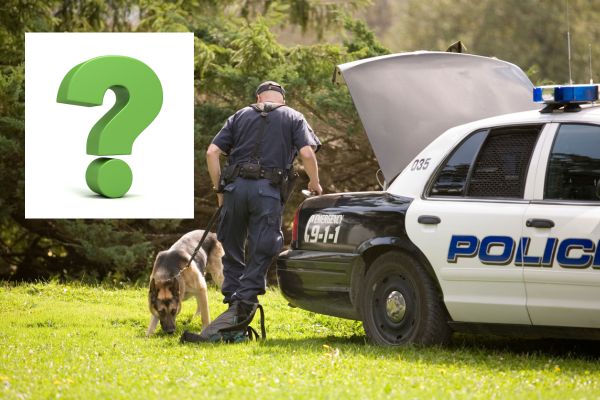
Article and video Know your rights: When the police can search your RV without a warrant
Ever wondered what your rights are when you’re on the road in your RV and encounter law enforcement? It’s a unique situation because an RV is both your vehicle and, potentially, your home. This dual nature brings up some interesting legal questions, especially when it comes to police searches.
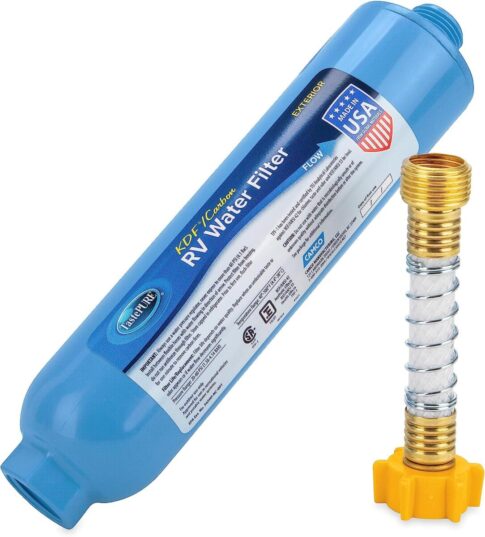
It’s time to change your water filter! Camco’s TastePURE Water Filter with Flexible Hose Protector reduces bad taste, odor, chlorine and sediment in drinking water with a 20-micron fiber filter. Use it to keep sediment out of your RV water tank and to improve the taste and smell of your water.Learn more or order at a big discount.
Featured article Readers’ favorite low-tech, no-power RV kitchen gadgets
By Cheri Sicard
Welcome to Part 2 in our 3-part series of favorite RV kitchen gadgets. In Part 1, we talked about the favorite small appliances our readers like to carry along in their RVs. And next week we will turn our attention to odd or unusual RV kitchen gadgets. But this time we look at the essential low-tech RV kitchen gadgets you recommended. These are the tools you will turn to when traveling or boondocking as they require no power.
RANDOM RV THOUGHT: A “no-show” at the campsite next to yours in an otherwise crowded campground is pleasing in the same way as flying alone in coach with the middle seat unoccupied.
Fix roof leaks and extend your RV roof another 18-20 years with the ONLY liquid butyl rubber in the world
RV Roof Magic’s unique solvent-based drying process allows for a chemical bond not found in other RV sealants. That is why it never needs a primer and only one coat. We offer a 10-year warranty. Apply RV Roof Magic to all roofs except silicone and PVC. Over 30 years of history of success. Visit our site for our monthly special!
Ask Dave Should reflective RV window material be installed inside or outside?
If you park your tow rig and trailer in a “normal” parking lot, you’re likely hanging out into the driving lane. When making a short stop in a lot, put “safety cones” out in the drive lane to make sure oncoming drivers really see the rig. (That’s good for you and them.)
Use this for easy RV underbelly repair
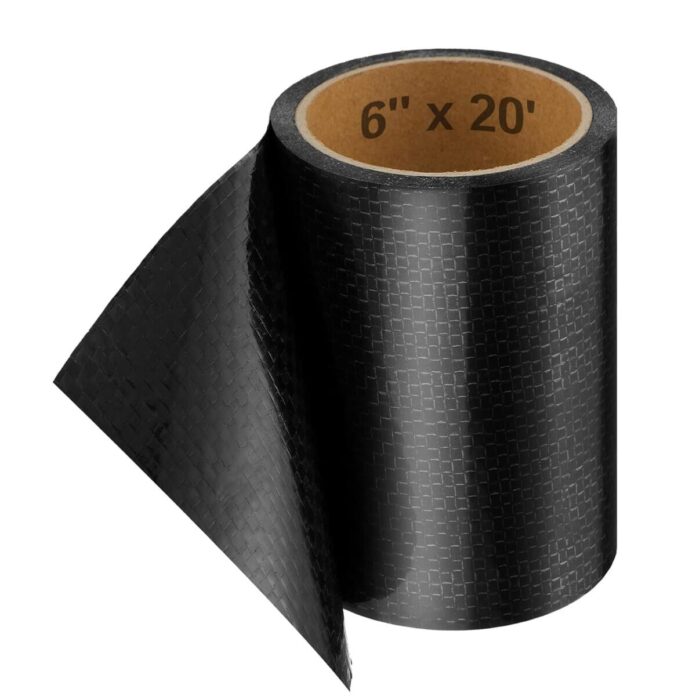
If road debris or a tire blowout has damaged the underside of your RV, you might be tempted to reach for duct tape—but it won’t hold for long. Most tapes don’t stick well to underbelly material. Instead, use this underbelly repair tape made specifically for RVs. Learn more about it here, or order a roll here.
We’ve polled RVtravel.com readers more than 5,000 times in recent years. Here are a few things we’ve learned about them:
• The majority of readers, 59 percent, first got married between the ages of 20-25. The second-highest percentage, 20 percent, got married in their teens.
• 10 percent have a habit of always biting their nails.
• 35 percent have recently thought about giving up RVing. Of that 35 percent, 9 percent plan to hang up the keys soon.
Statistically, hurricanes are more destructive than tornadoes. A single tornado may have stronger, faster winds than a hurricane, but a hurricane’s larger size and longer life give it the potential to be more disastrous.
Readers’ pet of the day
“We are seasonal campers at a beautiful campground in northern Indiana. Okie (5-year-old Mini Australian Shepherd) loves his big lot to play lots of ball and frisbee. He loves walking the beautiful trails in the woods and meeting up with all his hooman friends and doggo friends. There is also a beautiful meadow where, on slow days, he can run and play frisbee. Then at the end of the day, he can relax on his big bed.” —Becky Traxler
Send us a photo of your pet with a short description. We publish one each weekday in RV Daily Tips and in our Sunday RV Travel newsletter. No blurry photos, please! Please do not submit your photo more than once. Thanks!
? MYSTERY PRODUCT OF THE DAY ? Ever think you could put your coffee on… your cat’s butt? Well, we’re here to tell you that, yes, it’s possible. Here’s how.
FREE IS GOOD! To help celebrate National Burger Month, Shake Shack is offering a free Bacon Cheeseburger May 18 to 24, with a $10+ purchase. Just use code FREEBURGER (in all caps) when you place your order. (Details here.)
Leave here with a laugh
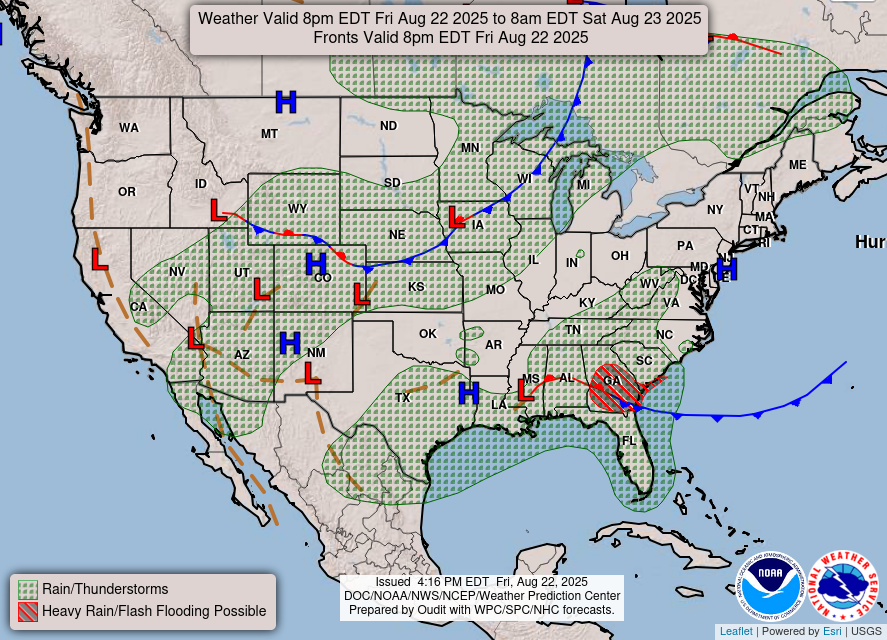
Today’s weather forecast across the nation THIS MAP UPDATES TWICE A DAY
Dear Dave,
Living in Texas, I have always used Reflectix on the inside of my RV windows, but I was wondering: Would Reflectix be more effective outside of windows? Also, perhaps use a couple of those “Space Blankets” to shade the refrigerator cabinet? —Donald
Dear Donald,
That is a great question. After researching several posts, it seems responses are split evenly.
I have always placed the product, inside mostly because of ease of installation itself. So, I contacted Reflectix, Inc., directly. They stated that the best location depends on the application, as the material “reflects” or reduces the rate of heat transfer.
In the winter, the heat is inside the rig and you want to keep it from flowing to the outside. In hot weather, the heat is outside with the air conditioner trying to keep the inside cool, so the material would work best being placed outside. This would reduce the heat transferring to the glass of the window, which could also transfer through the frame to the sidewall even if there was material inside on the glass.
The Reflectix representative then directed me to the FAQ page that had the following interesting information:
What is R Value
An R-value is an assigned number derived from a specific testing procedure (or calculation) to determine a material’s (or building assemblage) “resistance to conductive heat transfer”. The higher the R-value, the more resistant a material (or building assemblage) is to conductive heat transfer. Reflectix® can provide verification for all R-values stated for all products and applications.
Reflectix
What is reflectivity
Reflectivity is a material “characteristic” that is quantified as the percentage of radiant energy that a material will reflect. Example: The reflectivity of the metalized aluminum in Reflectix® products is very high (96%). This makes for very efficient performing reflective insulation assemblies (quantified in R-values).
What is a reflective insulation
A reflective insulation is a material (or assembly) that reduces the rate of radiant heat transfer across air spaces by use of one or more highly-reflective surfaces. This rate of heat transfer can be quantified for a specific application by an R-value.
Why are air spaces required in every application
For either a reflective insulation or a radiant barrier, an air space of a minimum thickness is required on the reflective side of the product. (Most Reflectix® products are reflective (shiny) on both sides.) The reflective insulation benefit is derived from the interaction of the highly-reflective surface with the air space. If the reflective surface is in contact with another building material, it becomes a conductor (transmitting the energy by conduction). An air space may be specified on one or both sides of the product (always on a reflective side). Enclosed air spaces, when instructed, are required to provide the stated R-value.
How does the product work as a reflective insulation
In the same (primary) way fiberglass or other mass insulations provide benefit, reflective insulation reduces conductive heat transfer. When a highly-reflective material (such as our product) is installed in a building assemblage, in conjunction with an air space, it provides a quantifiable R-value level of benefit.
What is conductive heat transfer
All materials have a “conductive heat transfer”. Some are very high and some are very low. Materials that are low (or resistant) to heat flow have higher R-values. Example: If a heat lamp is positioned shining on a 0.5” (width) panel of plywood (R-0.62), within a very short time, the opposite side of the panel will become hot to the touch (the wood has transferred the heat from one side to the other). Position the same heat lamp an equal distance from a batt of fiberglass (R-19). It will take dramatically longer to detect any increase in temperature on the opposite side of the batt (if at all). The difference in R-values indicates which material has the best “resistance to conductive heat transfer”.
If you install 2 layers of a Reflective Insulation, does the R-value double?
With multiple layers of product and airspaces between each layer, enhanced performance will be gained. If the product is simply “doubled” (with no air space between the layers), a very minimal benefit is obtained, (R-1.1 (per layer) for the Reflective/Double Bubble product).
By Gail Marsh
Broom hangers help keep brooms and mops tidy, but you might be surprised to learn the following tips and hacks for using broom hangers while RVing. Hint: These tricks have nothing to do with brooms!
Note: Broom hangers come in a variety of styles. Some feature self-adhesive mounting, while others require screws to mount. The tips that follow generally suggest the self-stick type of hanger (like these), but heavy items may require a screw mount. It’s important to note the weight capabilities of the broom holder you intend to use. Also, check to see if the self-adhesive holder will adhere to the surface you intend it for.
Using broom holders in the RV living room and galley
• Curtains. Use two holders for this tip and rotate each broom holder 90 degrees. Position one holder on either side of your RV windows. Then use the holders to hold a curtain rod (or PVC pipe) and window curtains.
• Step stool. Two broom holders will keep your step stool handy but out of the way.
• Spice jars. Use a multi-broom strip holder to keep spices corralled.
• Umbrella. A single broom holder will hold your umbrella until the next rainy day.
• Flashlight. Place a broom holder near the RV’s front door to hold a small flashlight. That way, you’ll always know where to find it. (Also think: an additional holder/flashlight near your bed.)
In the RV bathroom and bedroom
• Ironing board. Full-timers can use a pair of broom hangers to contain the ironing board.
• Vacuum attachments. Broom hangers can hold vacuum attachments until you need them.
• Electric toothbrush. Use a broom hanger to keep your toothbrush off the countertop yet still handy. (Also think: makeup brushes, hair curling iron, etc.)
• Back brush. Affix a self-stick broom hanger in the shower. Then hang your back brush from it.
• Shower hack. Position one or two broom hangers on the RV shower ceiling. Fasten your shower wand there for a taller shower spray. You can still remove the wand when needed.
RV basement
• Tools. Rotate broom holders 90 degrees to horizontally hold shovels, outside brooms, and other tools on your RV’s basement walls.
Do you use broom holders in unusual ways while RVing? Share your ideas with us in the comments below.
By Cheri Sicard
Ever wondered what your rights are when you’re on the road in your RV and encounter law enforcement? It’s a unique situation because an RV is both your vehicle and, potentially, your home. This dual nature brings up some interesting legal questions, especially when it comes to police searches.
In the video near the bottom of this article, the team from The Camping Loop outlines five scenarios where police can search your RV without a warrant.
Can they really search your RV without a warrant? There’s a lot of misinformation out there, and understanding the law can keep you out of trouble. Let’s break down the key things you need to know about RV searches and your rights.
Know your rights: Addressing the misconceptions
Many people believe that police always need a warrant to search an RV. While the Fourth Amendment does offer protection, it’s not quite that simple.
The Fourth Amendment and the Automobile Exception
The Fourth Amendment protects people from unreasonable searches and seizures. This means law enforcement generally needs a warrant, based on probable cause, to search your property. However, there are exceptions. One important exception is the “automobile exception.”
In 1985, the Supreme Court ruled that an RV is considered a motor vehicle under the law. This means the automobile exception can apply. The court’s reasoning was based on two main points:
RVs are mobile and can be quickly moved, potentially to get rid of evidence.
There’s a lower expectation of privacy in a vehicle on the road compared to a permanent residence. Vehicles are subject to regulations that don’t apply to homes.
If the RV is on the road or capable of being on the road, the automobile exception may apply.
When police can search an RV without a warrant
So, when can police search your RV without needing a warrant? There are several situations where this is possible:
• Consent: This is the most common way police can search your RV without a warrant. Imagine this: You get pulled over for a minor traffic violation. The officer asks if you have anything illegal in the RV – drugs, weapons, etc. If you say no, they might ask, “Do you mind if I take a look?”
It’s important to know that it is never in your best interest to give consent. The officer is conducting an investigation against you, and you have nothing to gain by allowing a search.
For example, say you agree and the officer finds a bag of prescription pills that aren’t in their original container. You’re now under suspicion of a crime.
Sometimes you can (politely) refuse consent
You aren’t obligated to help them build a case against you. You can politely but firmly refuse consent. Simply state that you do not consent to the search. You don’t need to be rude or argumentative.
• Probable cause: Probable cause means there’s a reasonable basis to believe a crime has been committed. Let’s say you’re pulled over for speeding, and the officer smells marijuana coming from your RV in a state where it’s illegal. This gives them probable cause to search the RV. Denying the search might not help if the smell is strong, as a drug-sniffing dog might confirm the presence of contraband. It’s essential to know the laws of the states you’re traveling through.
• Incident to arrest: If you’re arrested for a crime, police can search the immediate area as part of the arrest. This could include your RV. Examples of offenses that could lead to arrest include driving without a license, driving under the influence, or using your RV for illegal activities.
• Plain sight: If illegal items are visible in plain sight, police can seize them without a warrant. This is relevant to carrying firearms. While the Second Amendment protects the right to bear arms, it’s not absolute. There are state and federal regulations regarding licensing, storage, and where you can carry firearms. If a firearm is visible in your RV and violates these laws, it could be seized.
RV as a home vs. vehicle
Does it matter if you live in your RV full-time? Yes, it can. If you’re constantly traveling and parking at different locations, the courts will likely consider it a vehicle.
However, if your RV is parked in a stationary place and used as a primary residence, the automobile exception may not apply. In this case, police generally need a warrant to search it, unless you give consent. The same is true if the RV is parked at your home.
Towable RVs, like fifth wheels and travel trailers, can be a gray area. Using the previous example, if an officer smells marijuana coming from your truck, they might assume the drugs are in the truck and, therefore, also in the trailer. However, plausible isn’t the same as probable. The officer can legally search the truck based on probable cause, but that probable cause doesn’t automatically extend to the trailer. A separate justification would be needed to search the trailer.
Administrative searches: Roadblocks, sobriety checkpoints, and border crossings
At sobriety checkpoints or roadblocks, probable cause is still needed for a search beyond a basic check.
Border crossings are different. Agents at the border have broad authority to search vehicles without probable cause. They can search anything they want and hold you for as long as it takes to complete the search and questioning. If you’re planning to cross any borders, it’s a good idea to review what you can and can’t bring.
Practical advice and reassurance
This information isn’t meant to scare anyone but to keep RVers informed. Many people travel for years without ever being pulled over. If you are stopped by law enforcement, being respectful can go a long way.
Understanding your rights and the circumstances under which police can search your RV without a warrant is essential for every RVer. Knowing the difference between consent, probable cause, and other exceptions to the warrant requirement can help you protect yourself and your property on the road.
For RVers and homeowners alike, staying connected has never been more important—or more challenging. Traditional internet options can be spotty at best in rural areas, and even less reliable when you’re constantly on the move. That’s where Starlink comes in.
SpaceX’s satellite internet service has quickly become a popular choice for those seeking fast, reliable internet—whether you’re parked in the middle of nowhere or living off the beaten path.
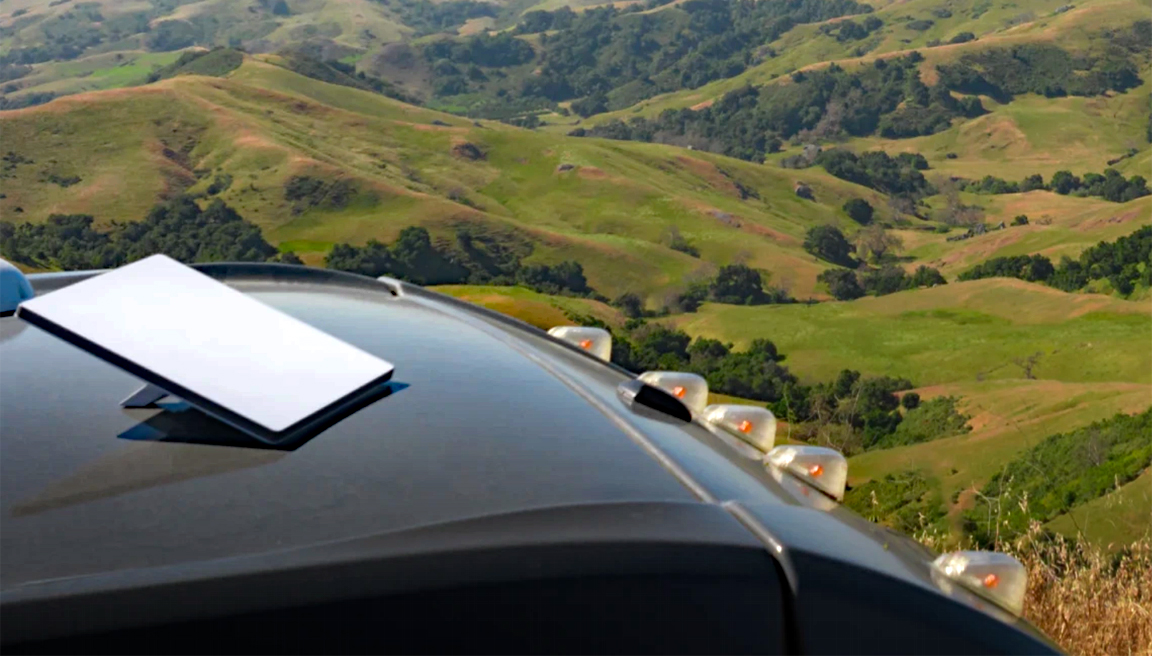
With a Starlink dish and a clear view of the sky, users have been able to stream, Zoom, work remotely, and stay in touch, even from places where cell service struggles. For RVers, Starlink’s portability and growing coverage have made it an appealing alternative to campground Wi-Fi or data-hungry hotspots. And for those in sticks-and-bricks homes located in underserved areas, it may be the best internet option available.
So, today we’re asking: Do you have Starlink? Is it set up at your home base? Mounted on your RV roof or tucked in the back of your tow vehicle? Or are you still weighing the pros and cons?
Some RVers have shared stories of great success with Starlink, while others mention challenges with setup, weather interference, or monthly costs. And, of course, there are those who’ve stuck with other options entirely. Everyone’s situation is different, which is why we want to hear from you.
Vote in today’s poll and feel free to leave a comment. We’d love to hear if it’s working great for you—or if you’ve found a better solution. Thanks for sharing!
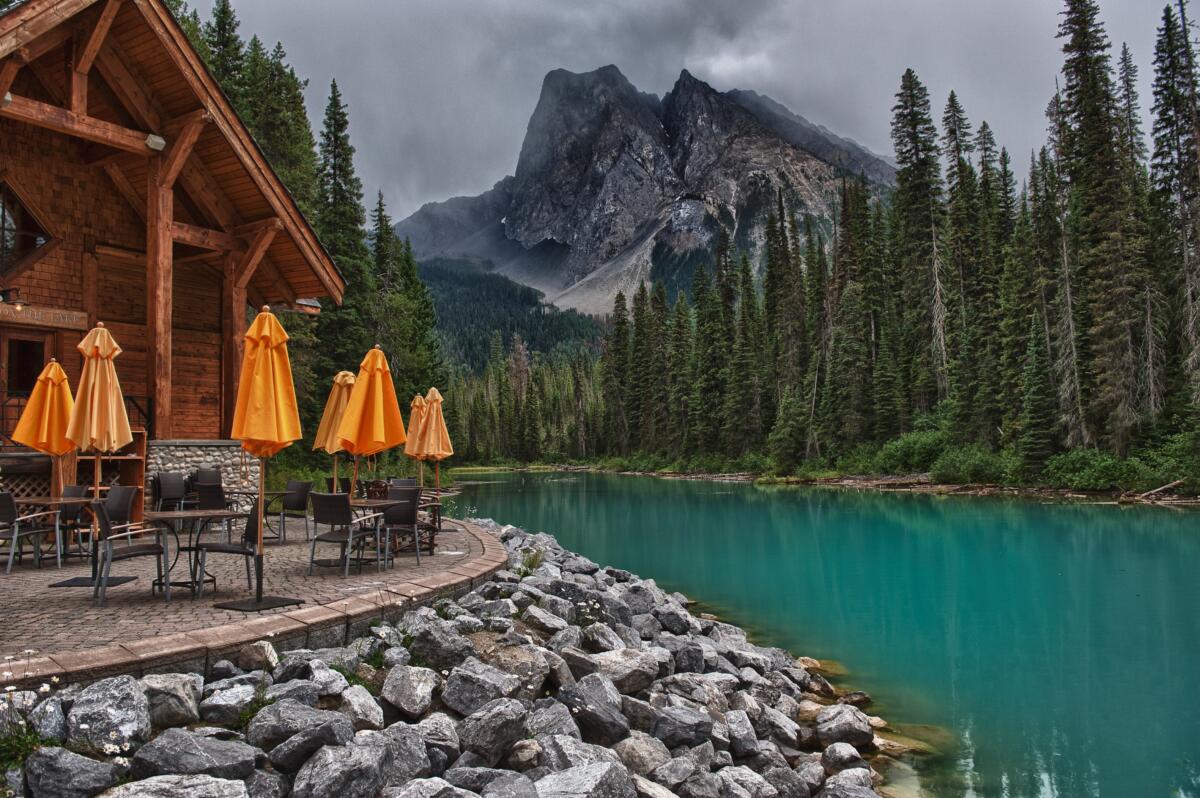
If you have been waiting for a good summer to point your RV north, 2026 just might be the year!
Parks Canada and the Government of Canada say the Canada Strong Passwill bring free admission to Parks Canada places from June 19 through September 7, 2026. And that’s not all! Read on to discover the biggest travel savings Parks Canada has offered in recent years.
Details
The free-entry part applies to national parks, national historic sites, and national marine conservation areas operated by Parks Canada. You can also take advantage of free lockage on Parks Canada-administered historic canals.
For RVers, the camping discount may be the most valuable part of the deal. Parks Canada is offering a 25% savings for tent and RV campers. Reservations already booked through Parks Canada for dates inside the promotion period will reflect the discount. In addition, first-come, first-served stays will be charged the reduced rate when you register on arrival.
During the free period, no entry pass or ticket is required at Parks Canada locations during regular operating hours. This will make gate arrival a little simpler for RV travelers.
Note: Because popular parks fill quickly, it is smart to check the specific park website before you roll in.
Savings
The usual price tag at Parks Canada sites is not small, which is why this summer’s promotion matters.
Banff National Park’s posted 2026 fees show a daily admission rate of $12.25 for adults, $10.75 for seniors, and $24.50 for a family or group.
A Parks Canada Discovery Pass is listed at $83.50 for adults, $71.50 for seniors, and $167.50 for a family or group.
Banff also lists camping examples such as $34 for several unserviced frontcountry sites, $40 for electrical sites, and $47.25 for water, sewer, and electrical hookups at Tunnel Mountain, so the 25% discount can add up fast on a longer RV trip.
Book ahead
Booking ahead is important! Parks Canada’s reservation system is the place to make camping and roofed-accommodation bookings, and 2026 reservation launches began in January. So, if you haven’t already made reservations, do it now!
If you are thinking about a multi-park trip, the Discovery Pass still matters outside the free-entry window because it covers admission to more than 80 Parks Canada destinations for 12 months.
Parks Canada also says annual passes that are valid during a Canada Strong Pass period will be automatically extended, and no action is required by the pass holder. That makes the current promotion especially useful for travelers who are already planning shoulder-season or later-season visits.
Not free
RVers should note that the free park entry does not apply to provincial or territorial parks, Sépaq parks in Québec, municipal or private parks, or sites run by third parties. For more exclusions, click here and scroll down.
Act now
To take advantage of the Canadian National Parks free admission, pick the parks you want. Reserve the campground first and treat the free admission as a bonus rather than the main plan.
For RVers, that means checking campsite hookups, fire permit rules, shuttle fees, parking fees, and any special services before departure. Parks Canada says those extras can still apply even when admission itself is free.
With the right reservation in hand, this summer could be one of the easiest and most affordable times in years to see Canada’s national parks from the comfort of your rig.
Do you have a favorite Canadian National Park? Tell us in the comments below.
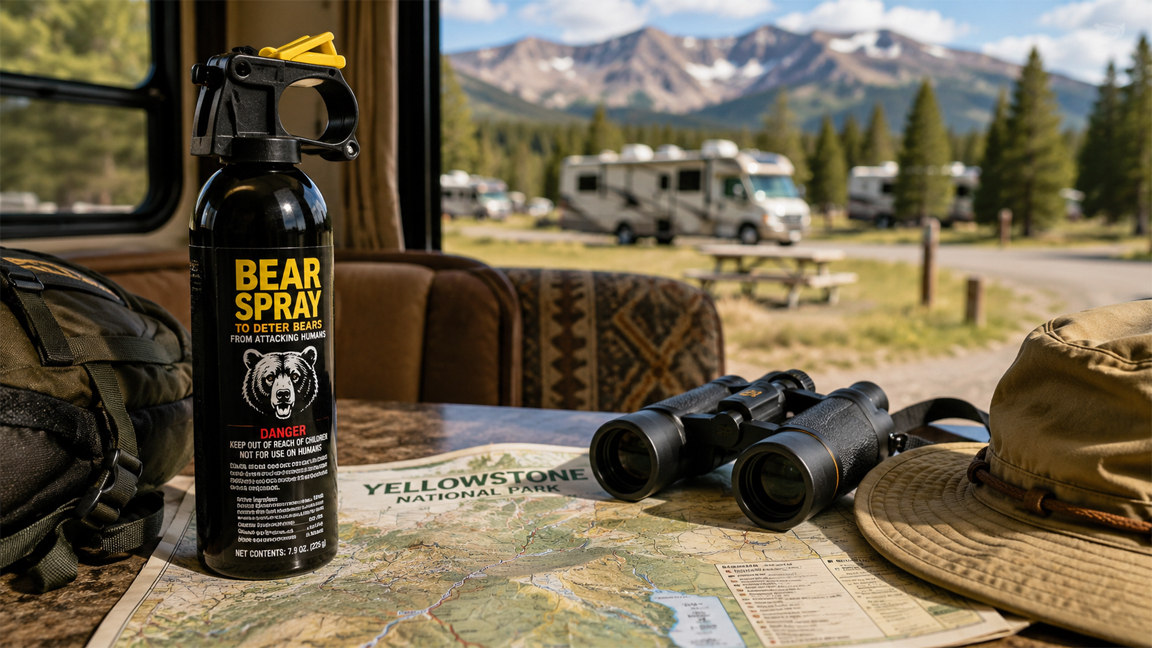
Millions of people heading into places like Yellowstone and Glacier are hearing the same message from park officials, outdoor retailers, and experienced hikers: Carry bear spray. But growing concerns about bear spray disposal are creating unexpected problems in some national park gateway communities.
And, honestly, it’s good advice. Wildlife experts widely consider bear spray one of the most effective tools available during a close-range bear encounter.
But there is another side to the story that almost nobody discusses with travelers, especially RVers: What happens to those cans afterward?
That question is starting to create real problems around some national parks, particularly in gateway communities where millions of visitors arrive every year. Buy bear spray for a single trip, then try to figure out what to do with it before heading home.
According to a recent report from SFGATE, partially filled bear spray cans are now exploding during trash compaction operations near Yellowstone. Workers at transfer stations reportedly have been exposed to the powerful capsaicin spray when discarded cans rupture inside garbage trucks and compactors.
When a can ruptures inside a garbage truck or transfer-station compactor, the effects can be immediate. Workers can suddenly be exposed to airborne capsaicin—the same concentrated irritant designed to stop an attacking bear. Even brief exposure can cause intense burning of the eyes, coughing, breathing difficulty, skin irritation, and temporary loss of vision. In enclosed equipment areas, the spray can quickly affect multiple workers at once.
That has turned what sounds like a simple disposal issue into a growing safety concern.
Why this matters to RVers
For traveling RVers, the issue is especially relevant because many RV owners move repeatedly through bear country across the West, from Yellowstone and Glacier to parts of the Pacific Northwest, Canada, and the Rockies.
Some buy bear spray for a specific trip, use none of it, then simply tuck the can into a cabinet or storage compartment afterward. Months or even years later, the can may still be riding in the RV.
That creates another issue many owners never think about: storage inside a vehicle that may sit in extreme summer heat.
Bear spray canisters are pressurized. Manufacturers generally warn against exposing them to extreme temperatures, including leaving them inside hot vehicles for extended periods. Inside a closed RV or tow vehicle parked in direct summer sun, temperatures can climb dramatically.
That doesn’t mean cans are routinely exploding inside RVs. Reports of that appear rare. But experts do caution travelers to store bear spray carefully and avoid high-heat areas such as dashboards, windowsills, or enclosed compartments exposed to direct sun. We’ve written about cases where cans have exploded in vehicles, and the “clean-up on aisle 9” wasn’t that simple.
A small discharge inside an RV could create a miserable situation very quickly.
And, unlike ordinary pepper spray, bear spray disperses a large, fog-like cloud designed specifically to stop an aggressive animal.
Many visitors only need it once
Part of the problem is that many Yellowstone and Glacier visitors are not regular backcountry travelers. They buy bear spray for a once-in-a-lifetime vacation, use none of it, then face a dilemma at trip’s end.
You cannot normally take bear spray on commercial airlines, either in carry-on luggage or checked bags, because it is considered a hazardous material.
That leaves visitors scrambling for options.
Some gateway communities and visitor centers have experimented with donation boxes, recycling programs, or informal exchanges where travelers pass unused cans to incoming visitors. But disposal systems remain inconsistent.
Meanwhile, trash workers are dealing with the consequences when cans end up in ordinary garbage streams.
What RVers should know
Outdoor safety experts generally recommend a few common-sense practices for RVers and others carrying bear spray:
Keep it accessible while hiking, not buried in a backpack.
Avoid storing it in direct sunlight or areas that become extremely hot.
Don’t leave it rolling loose inside a vehicle or RV.
Check expiration dates periodically.
Don’t throw partially full cans into regular campground dumpsters unless local disposal rules specifically allow it.
Look for local disposal guidance near major national parks or ask ranger stations about current options.
For RVers who frequently travel through bear country, keeping a properly stored can for future trips may make sense. But for occasional travelers, the growing disposal issue highlights a problem many people never consider when they buy it at the start of a vacation.
And with another busy summer season building across the national parks, workers in Yellowstone gateway communities are hoping fewer visitors treat bear spray cans like ordinary trash.
“Millions of Yellowstone visitors are buying bear spray. Now parks and gateway towns have a disposal problem.”
That may not be the part of bear safety brochures anybody remembers. But it is becoming a “beary” real issue behind the scenes.
Clam lovers rejoice: It’s a special week for you if you live or are traveling this week in Rhode Island. The Rhode Island Department of Environmental Management and the Rhode Island Seafood Marketing Collaborative are holding the 10th annual Quahog Week, which began yesterday and continues through Saturday (May 23).
The event celebrates the cultural and economic importance of the quahog, the state’s official clam.
Restaurants and seafood markets across Rhode Island will feature special quahog dishes during the weeklong event. Organizers expect a record number of participants this year. A list of participating locations and specials is available here.
“Quahog Week is an opportunity to celebrate Rhode Island’s shellfish industry and the bounty of Narragansett Bay,” said Governor Dan McKee. “Quahogging has a long history in the Ocean State and this ‘shell-ebration’ is a great opportunity to support local harvesters, restaurants, and seafood markets and enjoy a favorite quahog dish or discover something new.”
State officials said ongoing investments in water quality, infrastructure and shellfish monitoring have opened thousands of acres of new shellfishing waters in recent years, helping support Rhode Island’s seafood industry.
Quahogs are Rhode Island’s most valuable fishery in Narragansett Bay. More than 11 million were harvested last year by more than 400 quahoggers, generating more than $3 million. Demand peaks during summer, when littlenecks, clam cakes and stuffies are especially popular.
Three free public events are planned during Quahog Week, including complimentary littlenecks shucked by members of the Rhode Island Shellfisherman’s Association and samples from participating vendors.
Events include: • Tiverton Farmers Market, May 17
• Narragansett Brewery in Providence, May 19
• Newport Craft and Distillery, May 21
We use cookies to ensure that we give you the best experience on our website. By continuing to use our site, you consent to accepting cookies. We NEVER have or will sell reader's data. For more info, please see our privacy policy page.