

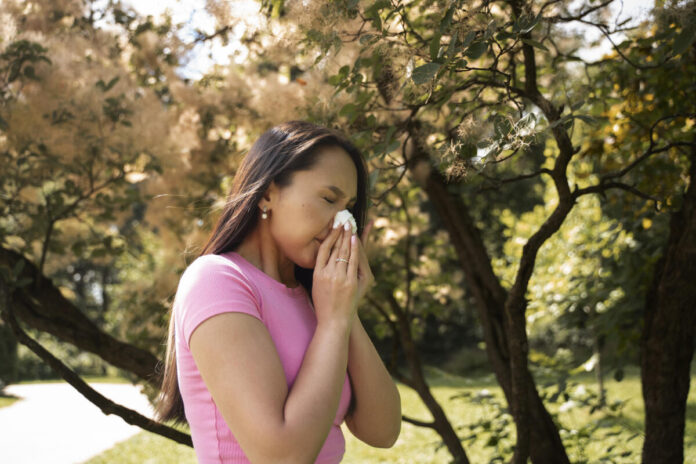
It’s spring! At least that’s what my sinuses keep telling me. Springtime brings flowers, warmer weather, and allergies too! Springtime is the perfect time for some tips for managing allergies while RVing. Here are some practical solutions to do just that.
Choose allergy-friendly campsites
Research RV campsites before booking. Look for sites away from sources of allergens such as high pollen areas or locations with excessive dust. Choosing campsites with fewer trees or grass nearby can also help reduce exposure to outdoor allergens.
Pack allergy medications
Always carry essential allergy medications and supplies with you while RVing. These include antihistamines, nasal sprays, eye drops, and epinephrine injectors for severe allergic reactions. Make sure medications are easily accessible and check expiration dates regularly.
Consider allergy-proof bedding
Invest in a hypoallergenic mattress and pillow covers to create a barrier against dust mites and other allergens. Wash bedding regularly in hot water to kill dust mites and effectively remove allergens.
Pet-free zone
If you’re traveling with pets, designate a specific area inside the RV as a pet-free zone. This can be particularly helpful for folks allergic to pet dander. Use baby gates or barriers to restrict pets from entering certain areas, such as the bedroom or seating areas.
Keep your RV clean
Regular cleaning is essential to reduce allergens inside your RV. Vacuum carpets, upholstery, and curtains frequently to remove dust, pollen, and pet dander. Use a vacuum cleaner with a HEPA filter to trap even the smallest particles effectively.
Hint: We no longer have our RV’s original window coverings. Not only were the valance, curtains, and blinds difficult to keep clean, but they also seemed a bit outdated to me, so I removed them. Here’s a video that demonstrates how this is done.
Limit your outdoor exposure
Check local pollen forecasts and plan outdoor activities accordingly. Limit outdoor exposure during days with high pollen counts, especially during peak pollen season. Consider exploring indoor attractions or activities on these days to minimize allergy symptoms.
Maintain your RV’s air quality
Use air purifiers equipped with HEPA filters like this one to clean the air inside your RV. Additionally, ensure proper ventilation by opening windows and using exhaust fans while cooking or showering.
Monitor indoor humidity levels
Keep indoor humidity levels between 30%-50% to prevent mold growth, a common allergen. Use dehumidifiers, if necessary, especially in humid climates or during rainy seasons, to maintain optimal humidity levels inside your RV.
Practice personal hygiene
Maintain good personal hygiene habits to minimize allergen exposure. Shower before bed to remove pollen and other outdoor allergens from your body and hair. Additionally, change clothes after spending time outdoors to prevent bringing allergens inside the RV.
Stay informed
Stay informed about common allergens in the areas you plan to visit and take necessary precautions. If you experience severe allergy symptoms or have specific concerns, consult a healthcare professional for personalized advice and treatment options.
Do you have allergies? How do you control your symptoms? Tell us in the comments below.
Sign up for a weekly digest of my articles here.
##RVDT2355

Thank you, Gail! 🙂 Great and timely article! The one that I cannot do is limit my time outdoors. So, after numerous and increasing bouts of sinusitis, my doctor sent me to an allergist. After 50 introductory shots (10 per week for 5 weeks), I only have to take 1 every three weeks now. I can take each a few days early or late, depending on our travel schedule. Thanks again, and safe, sunny travels! 🙂
Ouch, but happy that you found a solution, Neal. Enjoy your days outside!
Thank you, Gail! 🙂 One interesting thing about allergy shots vis a vis non-allergy shots (e.g.,vaccinations, flu shots) is that the former go into the fatty area of the upper arm and the latter into muscle. The correct posture is hands on hips. The sensation is that of a mild sting. They are much milder than other shots, but perhaps that is more due to frequency and resulting familiarity with the discomfort. Thanks again Gail, and safe travels! 🙂
wipes for eye lids & lashes- as a life long allergy sufferer, I recently read that much of the eye irritation is from the build up of tear duct clogging crystals (yeah, sinus drainage also comes out of your eyes) and collecting on eyelashes. There are wipe packets near the eyedrop section of your pharmacy that can open ducts and clean both lids and lashes without putting anything directly in your eyes. It’s been a game changer with the high pollen counts in south Texas.
I didn’t know this product (wipes for eyes) was available! Thank you for sharing!
Are u kidding with that allergy article that person must travel in a very large rv putting up baby gates to keep pets contained I love ur news letter and most of the articles but this was a bit of the wall
Was the really written by person or A1
Nope, not AI. I wrote the article myself, Linda. We have a fifth wheel RV and have used a baby gate for dogs in the past, as do friends currently. It only takes one gate/barrier to keep the dog out of the bedroom and works well IMHO. Have a great day!