

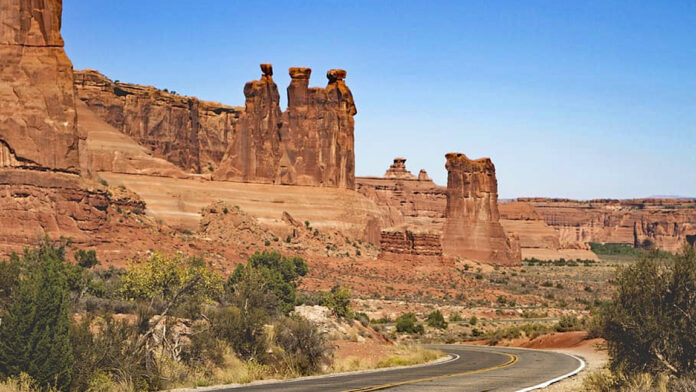
It was 1983 and investigators at Utah’s Arches National Park were stumped. On a cold winter’s day, park rangers found a body in the Three Gossips area, close to the park’s south entrance. Just who the body belonged to was a mystery, and remained that way until now. The mystery of the identity of the Arches National Park victim has been solved, thanks to DNA.
Arches National Park victim found in 1983

The Provo, Utah, Police Department say the victim of what appears to be a murder is Robby Lynn Peay. Robby went missing several months before the Arches rangers found his body. He was 17 at the time. Robby had run away from a Salt Lake City youth center in October 1982. At the time, a Missing Persons report was filed, and it was given national attention.
When rangers found the then-unidentified body, it showed some of Robby Peay’s physical characteristics. But making a positive identification was nearly impossible. The body was significantly decayed, and a bullet wound to the head made a sure ID impossible. Robby’s truck was found, months later, 300 miles from Arches at Lake Powell in Arizona.
Slow progress over the years, still no provable results
Nothing more significant happened for seven years. In 1990 Robby’s family asked a court to declare him legally dead. They buried the Arches remains in a Provo, Utah, cemetery. More years passed.
In 2007 the National Missing and Unidentified Person System (NamUs) was established. It was a data center for cross-referencing unidentified person cases. The Arches body information went into the system. Ironically, dental information was put into the system incorrectly. In 2018, a forensic dentist spotted the error, and when the problem was corrected, a “high percentage match” would seem to indicate that the Arches body was that of Robby Peay’s. But the Utah medical examiner would not declare the connection without a DNA match.
Getting a DNA match a slow slog
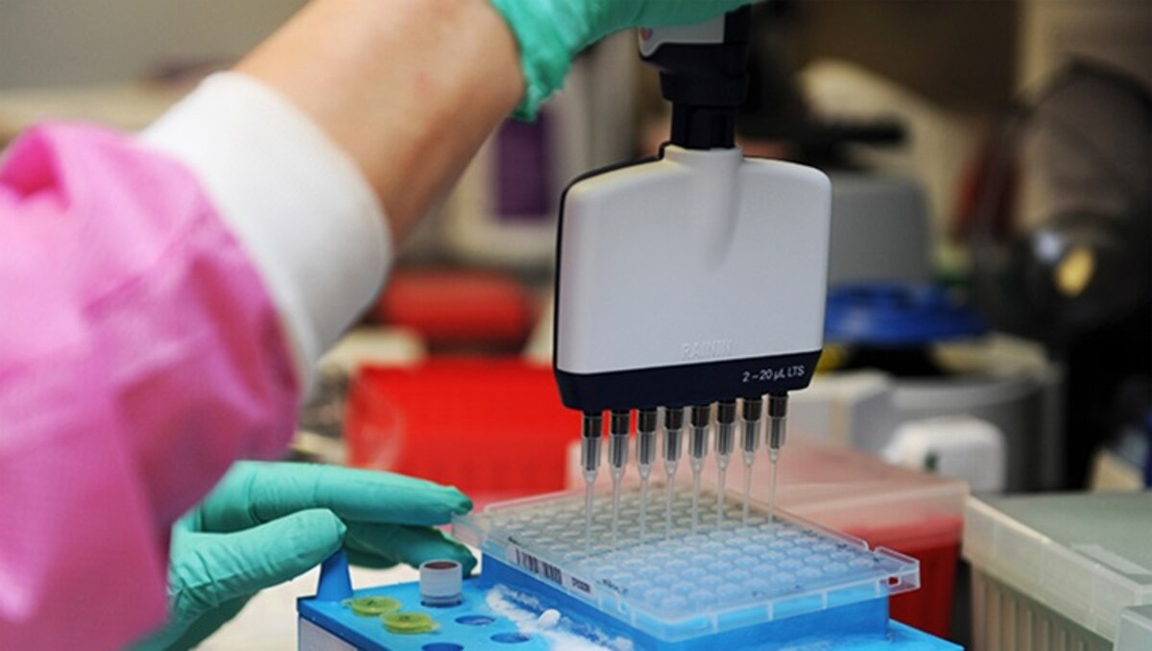 Provo police detectives undertook a cold case review, also in 2018. They then found out that Robby had been adopted. To compare DNA, a direct relative would be needed. But since the adoption records were sealed, Provo’s police had to start the lengthy process of getting those records unsealed to track down his biological family. When the information was available, police found Robby’s direct family were all deceased. A maternal uncle turned up—and police had half of their DNA information. But for the other half, they’d need to exhume Robby’s body, yet another lengthy process.
Amazingly, it turned out another agency had taken DNA samples when the Arches body was found. When police were able to put two-and-two together, the proof was found. Robby Peay was indeed the person found in Arches four decades earlier. The Arches National Park victim was finally identified.
“Robby Peay had been missing for over 40 years when the breakthrough finally came through dental records and DNA testing,” Provo Police Department Detective Sgt. Nick Patterson said in the agency’s statement. “With this crucial evidence, we were able to identify an unknown individual, bringing long-awaited answers to a family that had spent decades in uncertainty.”
RELATED
- Serious crime up in national parks, but ranger numbers on decline
- Body found in Colorado park could solve mystery of man’s disappearance
- National park visitors face reduced access and services across the country
- BLM nabs arsonist—One more for the dumb crook files
- You don’t have to be dumb for a park wildlife mishap
##RVT1202b

So sad. An adopted child in the youth detention center, dead and not identified. Who killed him?
Many of us have “unknown” parents or relatives ….but since we are not as privileged as others who are, our past goes to the grave of those unknown.
Thank you for the news, Russ and Tina! Sad that a clerical error prevented closure decades ago. Have a great day and safe travels!
What a terrible dis service to the family and public.