


Dear Dave,
We just purchased a 2016 Thor A.C.E. 27.1 and just realized how rough the ride is. We feel every bump on the road and it feels like our RV is falling apart. What do you recommend? —Tino, 2016 Thor Ace 27.1
Dear Tino,
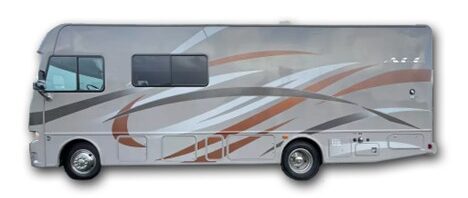
The Thor A.C.E. is a Class A motorhome built on a Ford chassis with the older Triton V10 engine. Since it is the 27’ model, it is most likely on the smaller 16,000 GVWR (Gross Vehicle Weight Rating) chassis and a 178” wheel base.
First thing to do: Get it weighed
The first thing I would do is take the unit to a CAT Scale and get it weighed. Front wheels on the first pad, back wheels on the second pad, and get the weights on each axle and the overall weight. From what I can find on weight ratings is the front Gross Axle Weight Rating (GAWR) is 6,500 lbs. and the rear GAWR is 11,000 lbs. You can verify these weight ratings by the data sticker that should be on the driver’s side wall in the cab.
It is also possible your 2016 Thor Ace has a 2015 chassis or older, as RV and chassis model years do not always match. The important issue is the weight ratings and verifying your rig is not overloaded.
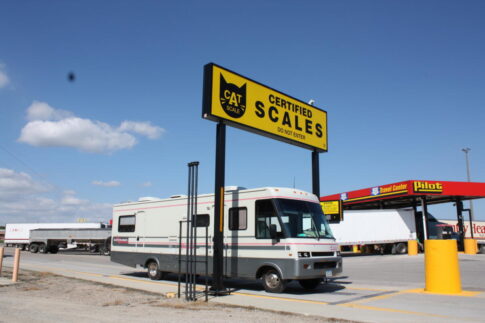
This will cost you $13.50 for the first weigh and $4.00 to reweigh (prices subject to change). These scales are located at Pilot Flying J and several other truck stop fueling stations. Visit www.catscale.com to find one in your area.
Once you get the specific weights, check to make sure you are not overloaded in the GVWR or GAWR. That would not only affect handling and drivability but create issues with braking, tires, and axles. Plus, it is recommended to be at least 10% less than max weight ratings in case of hot weather, extreme highway grades such as mountain driving, or other weather conditions.
Check tire pressure
Once you get the weights on the individual axles, you can determine proper tire pressure. The number stamped on the side of the tire is maximum pressure at maximum weight. Your rig is most likely lighter than maximum GVWR. Knowing the weight on each tire allows you to visit www.rvsafety.com and reference the tire chart here.
Overinflated tires will have less tread on the road and produce a harder ride. Underinflated tires will be spongy and reduce weight-carrying capacity.
Upgrade shocks
If all the weights and tire pressures are correct, I would suggest an upgrade of the shocks. The F53 typically came with a very standard or inexpensive shock, and many have upgraded to Bilstein or KONI shocks.
Nanci Dixon, one of RVtravel.com’s senior writers, had KONI shocks installed and Safe T Plus steering enhancement on their 40’ Tiffin Phaeton motorhome. You can read about the results here.
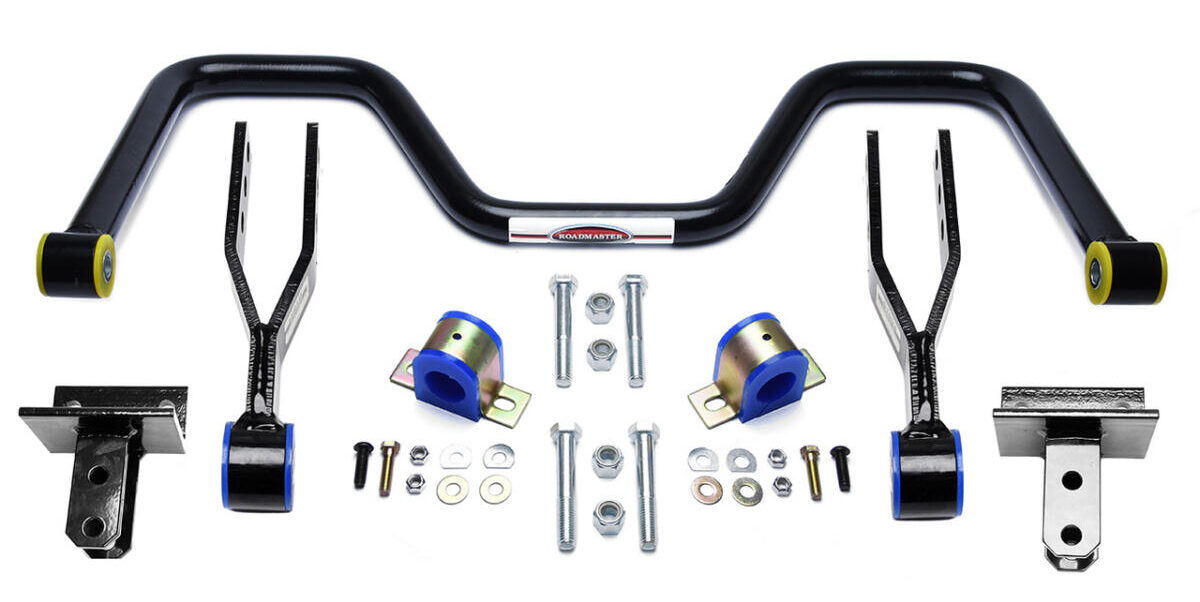
I would also suggest looking at the Roadmaster products and contacting them. I’ve worked with them for more than 25 years. I like the fact that they verify all chassis components are in good working order and then look to enhance the system. We worked on an older unit on a P30 that was all over the road. The first issue was loose bushings on stabilizer bars. One of their most popular products is the FitMaster Suspension products customized for the F53 chassis, which you can find here.
You might also enjoy this from Dave
The ABCs of RV terminology: Every word and term you should know as an RVer
It is beneficial to know the common terminology of the RV language and its components. Just like any other language, there are many words or descriptions that are either borrowed from other areas or are just plain “slang”. Knowing the nomenclature (no, not the guy from “Jersey”, Norman Clature) will make it easier to communicate with your fellow RVers and even technicians.
Learn all about RV terminology here.
Dave Solberg is a leading expert in the RV industry and the author of the “RV Handbook.”
Read more from Dave here.
HAVE A QUESTION FOR DAVE?
Send your inquiries to him using the form below.
##RVDT2538

Excellent article. Thanks Dave.
It’s a Ford box truck chassis. They ride like an 1800’s buckboard and for decades Ford has done virtually nothing to improve it.
Not sure you can compare the results the Dixon’s got with a air bag diesel chassis to what one might get with a Ford, but I guess almost anything would be better than stock.
The ultimate for ride enhancement would be the Liquid Springs upgrade, but at around $20K, that’s worth more than the RV. Sumo Springs might be a more affordable option to investigate.
There are MANY aftermarket products for the lousy Ford chassis. Just Google “improve F53 ride.”
Did you not test drive the rig prior to purchase???
Dave : follow up to you from our Nov. 7th. emails.
We just installed new Bilsteins on my 2019 Winnebago, 22,000 GVW 2018 F-53 chassis, and it made all the difference in the world as to the slight porpoiseing I was getting after only 30,000 miles with the original shocks. Other than that, I don’t seem to have any other problems associated with the ride of my Class A.
Thank you, Dave! Great answer, especially given the generality of the initial question. Happy new year and safe travels! 🙂