

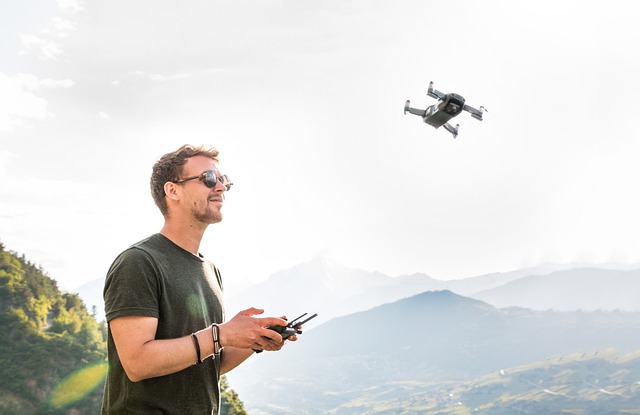
Drones, or unmanned aerial vehicles (UAVs), have soared in popularity in recent years. They offer unique perspectives, allowing people to capture breathtaking footage from above. They let folks explore areas that might otherwise be inaccessible.
The rise in drone use has sparked a heated debate, particularly regarding their use in U.S. national parks. Should drones be allowed in these protected areas, or do they pose too great a risk to the natural environment and visitor experience?
Pros of allowing drones in national parks
Note: Currently, special use permits are occasionally granted for research, rescue efforts, and fire safety.
• Enhanced photography and videography. Drones allow photographers and filmmakers to capture stunning aerial views of national parks that would be impossible to achieve with traditional cameras. These drone images can help raise awareness about the beauty of these parks, and potentially inspire more people to visit and support their conservation.
• Search and rescue operations. Drones can play a crucial role in search and rescue missions. Equipped with cameras, heat sensors, and GPS, drones can cover large areas quickly and efficiently. They may potentially save lives in emergency situations.
• Educational opportunities. Drones offer a new way to educate the public about national parks. Schools, museums, and online platforms can use drone footage to provide virtual tours, giving people who might not be able to visit in person a chance to experience these natural wonders.
• Wildlife monitoring. Park authorities can use drones to monitor wildlife without disturbing their habitats. This non-invasive method of observation can help track animal populations, study behaviors, and monitor environmental changes.
Cons of allowing drones in national parks
• Disturbance to wildlife. One of the most significant concerns about drones is their potential to disturb wildlife. The noise and presence of drones can stress animals, disrupt mating and feeding behaviors, and even lead to the abandonment of nests or young.
• Impact on visitor experience. National parks are cherished for their tranquility and natural beauty. The buzzing of drones can disrupt the peaceful atmosphere that many visitors love. The presence of drones can infringe on other visitors’ experiences, especially those who come to the parks for solitude and a connection with nature.
• Safety risks. Drones can pose safety risks to both people and wildlife. A malfunctioning drone could crash and cause injury, start a fire, or damage fragile environments. The potential for collisions with birds or other animals is also a significant concern.
• Litter and pollution. If a drone crashes, it can contribute to litter in the park, especially in remote areas where it might be challenging to retrieve it. The materials used in drones, such as plastics and batteries, can have harmful effects on the environment.
Current regulations
As of now, the National Park Service (NPS) has banned the use of drones in all national parks, citing concerns about their impact on wildlife, visitors, and the environment. However, the debate continues, with some arguing that drones should be allowed under a wider umbrella of acceptable reasons.
What do you think?
The question of whether drones should be allowed in U.S. national parks is complex, with valid arguments on both sides. What do you think? Should drones be given the green light under less regulated circumstances? Or should the drone ban remain in place to protect the parks’ natural beauty and wildlife?
Poll
##RVDT2466

Search and rescue should be a no brainer and allowed for certified rescue groups when in an active S&R situation. NPS official programs should also be allowed for park sustainment, not just for the rangers to entertain themselves. The general public and professional film makers should not be allowed as they have little respect for their fellow park visitors.
Generally, only with permits and if needed FAA licenses. And only if all guidelines are followed.
Law enforcement, search and rescue personnel and NPR personnel would already meet these requirements.
I have seen private people abuse the use of drones.
Only for authorized purposes. BillyBob with his toy NO.
Absolutely NOT. We have enough idiots harassing the wildlife so we just entice those idiots another level of harassment. Drones have their place if for search and rescue/recovery but law enforcement only in parks. Same way in camp grounds they shouldn’t be allowed.
Though banned, currently, I have no doubt they are allowed to be used for rescue operations?! If not, the government is even more ridiculously stupid than I had already thought!
And, I can see it now: Look at that bird? Oh never mind it’s a stupid drone….leave them out!
Not until they allow shotguns and jammers into National Parks as well…..
Shotguns aren’t allowed?
Only with special permits. I am the owner of an unlicensed drone (very small, very light, no license required, so NOT illegal). The FAA already has substantial restrictions on where these units can fly. And sadly, I see too many other similar drones operated by people who have no clue there are FAA restrictions. Think tourists gored by bison. I have no doubt those same mentality individuals would cause havoc in our National Parks.
However, I have also seen passenger air tour pilots violate low altitude air space where my drone has legally been flying. So far WE (that pilot and me) have been lucky. This past summer I cleared an air space only two minutes before the tour plane arrived.
“Litter and pollution”!
Well then ban dogs and their irresponsible owners too. We saw lots of little plastic bags with the dog poo in them on trails in Southern California. Incessant barking too.
It all comes down to being responsible.
“Collision with birds”!
Well then ban the thousands of wind farms too please.
We need a lot more “live and let live” in this world. If drones don’t interest you, fine, but don’t insist that I can’t send up my drone for a shot of our boon docking spot.
We were just at Mount Rushmore, I imagine a bunch of drones flying between us and the heads interfering with our view. Don’t need them in the parks.
Or, how about really anywhere you are trying to enjoy nature and the park. Waterfalls, rock formations, lakes and rivers. These drones are a nuisance in all these situations.
Huge man-made mosquitos are not needed anywhere.
I think with limited controls they should be allowed.
1. Operator has an unmanned pilot license, which takes some effort to obtain and teaches the rules.
2. Usage is limited to select areas.
3. The park has a limit on the number in use like many parks have to limit crowds. Person has to pre apply and there are only a fixed number issued each day.
This is more complicated than a yes/no answer.
I respectfully disagree. Even limiting them to one drone, means that other visitors have to put up with a drone flying around when they are trying to enjoy nature. The park could limit it but that is then an extra cost and manpower issue that still allows drones. That said, I think it should be used in emergencies by the authorities when needed for firefighting, policing and possibly wildlife management.
Nope, never, ‘nuf said.
I voted no. IMO it’s rude and unnecessary if other visitors are in the same area. One persons entertainment should not intrude on any other persons entertainment. There seems to be a lack of respect for others today. Sure, you can say its just one drone. But what if there are 2,3,4,5 or whatever number? Drones are not silent and a bystander could be injured if it fails.
Enjoy the peace, quite and beauty Mother Nature has to offer.
Search & rescue, fire & law enforcement, wildlife management drones are an awesome tool. But you tubers and drone enthusiast NO and we do own a drone. They can be a real invasion of privacy & disruptive. The other thing I will mention is when I am researching a travel destination on You tube or other internet sights once they start showing drone footage I move on. If i plan on going to Old Faithful, as example, I will not be seeing it from 1500 feet in the air. Drone footage is just about as helpful as pictures of your girlfriend in a bikini. I want to see things at eye level which is much more informative as those pictures are worth a thousand helpful words.
They should only be used by law enforcement, fire fighting, park staff for special occasions or commercial/professional videographers with the appropriate permits. They should not be allowed for the general public.
YES!
Oh, and they are now verry useful in agriculture.
Not to mention checking the highest gutters on our house. 🙂 Have a great week, KellyR, safe travels, and safe stays! 🙂
Thank you, Gail! 🙂 Sure, loosen the restrictions. Have a great week, safe travels, and safe stays! 🙂
Search and rescue or fires only………………..