

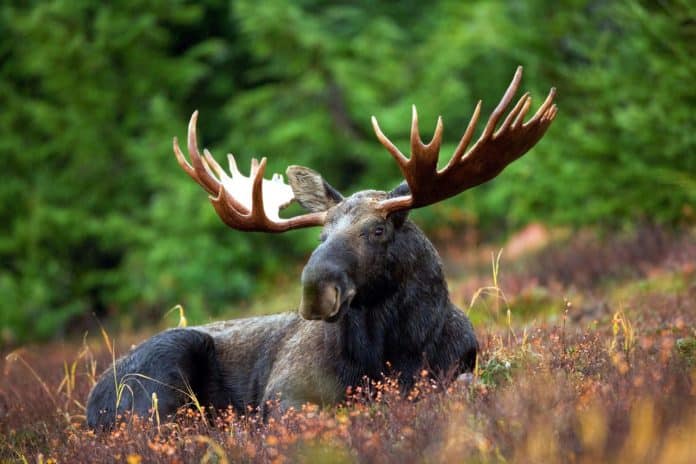
You’ve probably seen it: The video of a guy being chased by an elk, the family approaching a bear cub, or the gal trying to take a selfie with a bull moose. Yipes! What are these folks thinking?! One benefit of the RV life is getting to see wildlife in their own habitat. It’s important (even lifesaving) to observe wildlife safely. Here are some tips to help you do just that:
Plan ahead
Do a little research, even if it’s simply talking to the locals—folks who live in the area. Find out what type of wildlife frequents the area you are visiting so you’ll know what to watch for. Contact a local park ranger ahead of time, if you can. Let them know what time of year you hope to visit and ask for tips on finding and observing animals in their area. Always check park rules for additional information.
Getting close
Use your binoculars or a zoom lens to help you get safely “close” to wildlife. Many parks have regulations about minimum distances you should maintain when viewing animals in the wild. (Parks usually require a 25-yard minimum from most wildlife, with a 100-yard minimum from predatory animals.) Know and follow these distances. It’s for your own safety, as well as the safety of the folks with you—not to mention the animals’ safety, as well.
One good rule of thumb is if wild animals react to you, you are too close. Get back and stay back! Even seemingly clumsy animals can move faster than you might imagine, especially when they are irritated or protecting their young.
Don’t make the mistake of thinking your vehicle can protect you. We once made the mistake of parking near the resting spot of a young buffalo calf. (We didn’t see it as we approached.) Its mother charged. We thankfully escaped without a dent. Another nearby car was not so lucky.
But not too close
It’s against the law to touch, feed, tease, or disturb wildlife. To prevent disease or injury (to animals or humans), stay on marked trails and keep your dog on a short leash (if dogs are allowed, that is). And pick up dog poop, too!
Don’t leave behind any food, wrappers, or trash of any kind. This means clear the picnic table of crumbs and take leftover foods with you. If a trash container is available, be sure to securely close it when you leave the area.
Sight, sound, smell
Wildlife is especially keen to notice anything that seems “out of place” in its natural habitat. Animals of prey use some tactics that RVers can use, as well, in order to observe animals in nature.
First, make your approach toward the animal from the downwind side, if possible. Then stay downwind so that your human scent won’t alert or frighten wildlife away. Second, be as quiet as possible. Finally, keep all movements to a minimum. (You’ll want to explain these observational tactics to anyone with you, but especially to young children who may not realize the behaviors that can scare off wildlife.)
Report to the ranger
If you see a sick or hurt animal, do not approach it. Report what you’ve discovered to the park ranger instead. Also, report any person who refuses to follow park regulations and let the rangers follow up.
Observing wildlife safely should be common sense
It’s really all about common sense. Remember that the animals are called “wildlife” for a reason. They are not pets—regardless of how cute they might look or act. They belong to the “wild,” or nature, and should not learn to get food, water, or comfort from people—no matter how well-intentioned you might be. If everyone learns how to safely observe wildlife, that wildlife will exist for generations after us, who can then enjoy it, too!
RELATED
- Wildlife Refuges—often National Park next-door neighbors
- Wildlife safety: Your dog(s) can harm wildlife and natural habitats
##RVDT1955

We have seen 3 different occasions of people being stupid around bears. Once in the Chimneys in Smokey Mountains. Bear was at picnic area because family had a pot on ground near water and woods. They were throwing rocks at it. He was up on back legs swatting the rocks. When we drove back around. They were in car and he was on picnic table eating their food. Another time was in Cades Cove. People getting out to look at cubs. I rolled window down and told them mom is around somewhere. Get in car. Well, here she came running across the road and people were trying to jump in cars to get away. Nuts