

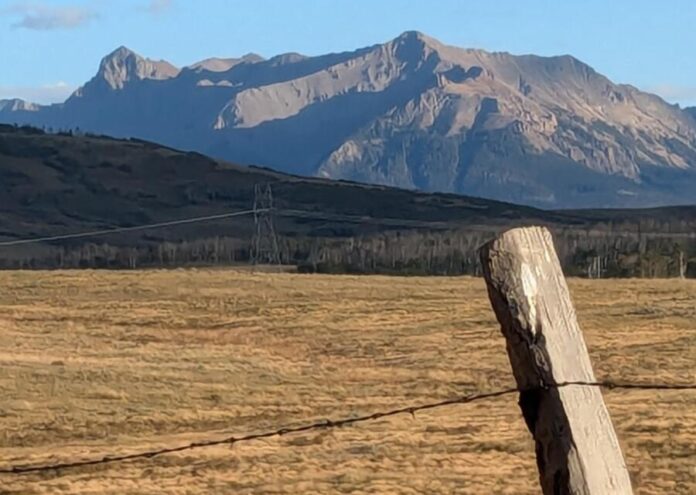
As we RV across the country, we see many, many types of fences. And while an RVer’s motto may well be “Don’t fence me in,” I must admit I’m fascinated by fences.
I love the pioneers’ resourcefulness in building barriers. I marvel at their ingenuity. These fences aren’t just practical—they tell a story of history, innovation, and local character.
Regional fencing
Across the U.S., diverse landscapes and cultural histories have led to a wide range of fencing styles. Farmers, ranchers, and property owners have long used fences not only to protect livestock and crops but also to mark boundaries and reflect regional aesthetics.
As an RVer, you might notice everything from the utilitarian wire fences in open pastures to the decorative wooden rail fences in small towns—all pieces of our country’s living heritage.
Barbed wire
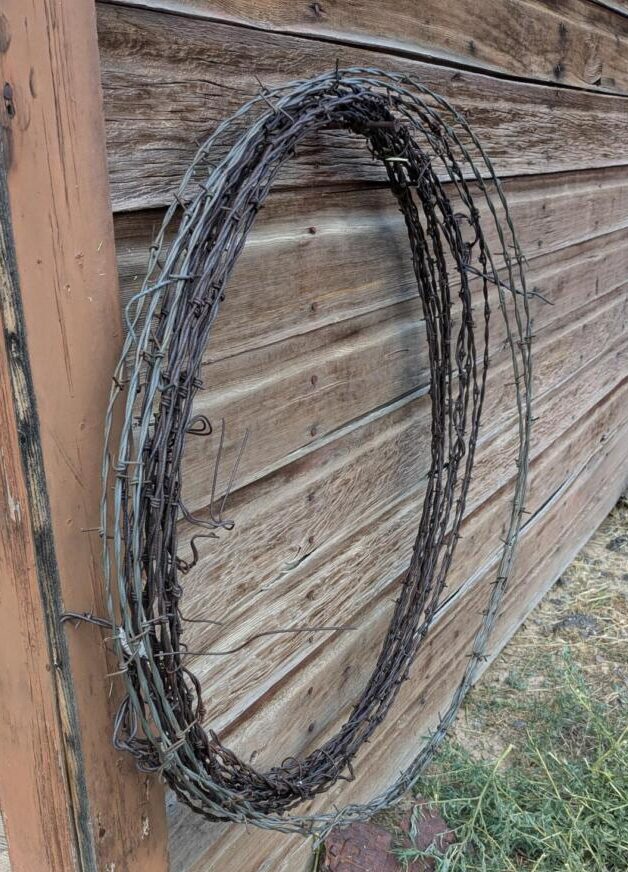
Perhaps the most famous type of fencing is barbed wire. Introduced in the mid-19th century, barbed wire revolutionized land management. It made it affordable to fence vast tracts of open range. The wire’s sharp barbs, spaced along strong, twisted steel wires, provided an effective—and economical—solution for keeping cattle in and intruders out.
Today, you can still see barbed wire fencing defining the horizons of many rural communities.
Wooden fences
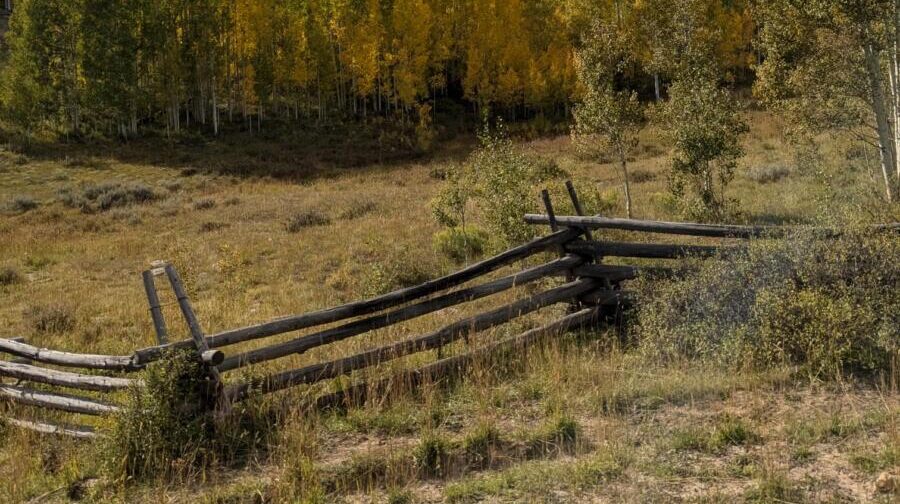
Wooden fences come in many shapes and sizes. Each one has its own charm and practicality. One popular style is the split-rail fence, constructed from timber logs that are split lengthwise into rails and stacked in a characteristic zigzag pattern.
These fences not only serve as sturdy boundaries but also evoke a sense of Americana that many RVers find picturesque when traveling through wooded or pastoral areas.
Unique fence varieties
Beyond barbed wire and wooden fences, the American landscape features a variety of other styles. Here are two unique fence styles we’ve seen on our travels:

• Four-board fences: Common in Kentucky “horse country,” the four-board fence is often painted white or black. This fence contrasts so well with the expansive green pastures, it makes for picturesque photos.
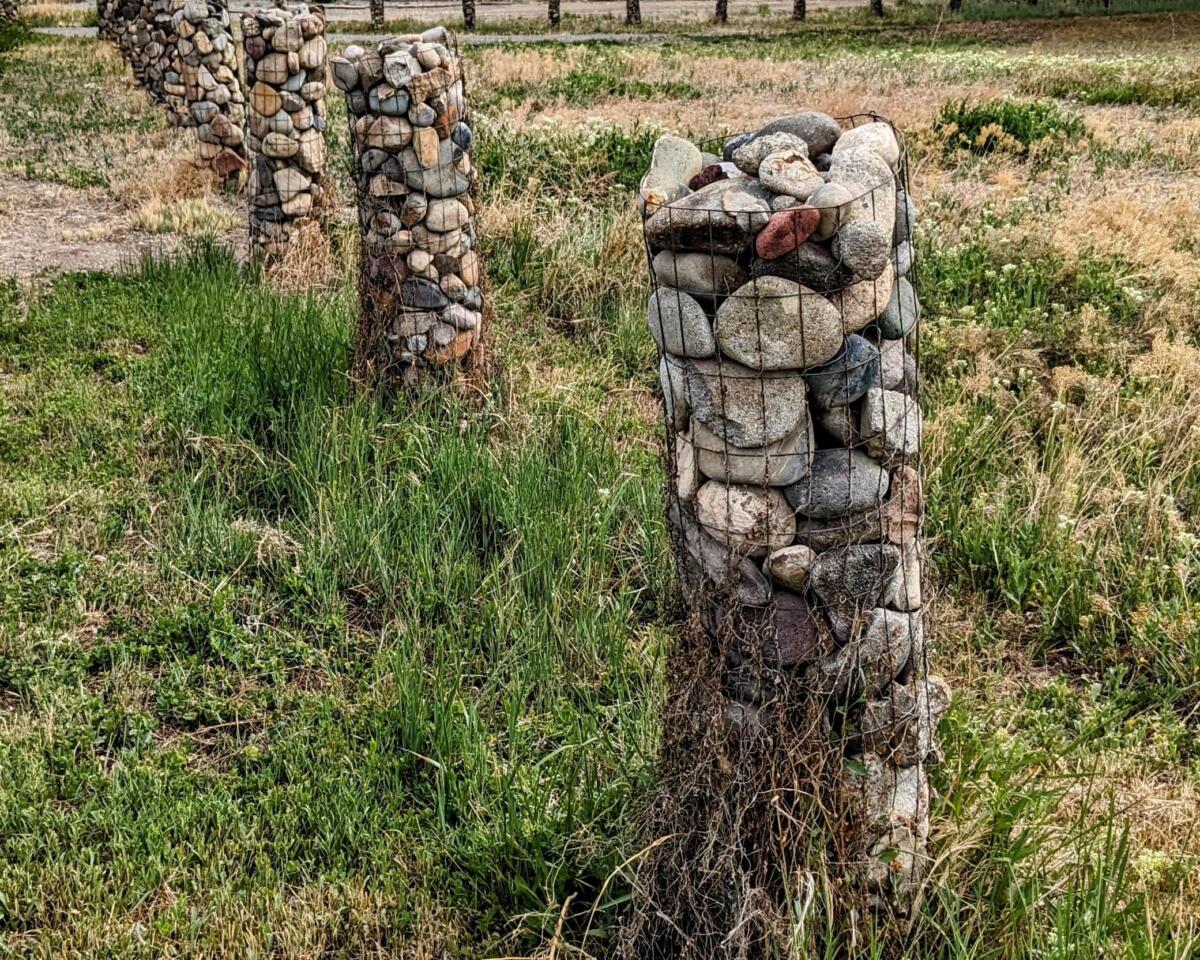
• Rock and wire fences: We’ve seen this fence in both Missouri and Colorado, although I imagine the rock and wire fence is popular in other places, as well. I can’t imagine how long it took to gather the rocks needed for this fencing!
Each style of fence has been developed to meet specific needs—whether it’s keeping predators away from valuable crops or ensuring that livestock remain safe and contained.
Fence museums: Journey through history
For those with a curiosity about how fences have shaped our nation, here are two museums that offer unique insights:
- Kansas Barbed Wire Museum: Located in La Crosse, Kansas, this museum is devoted entirely to the history of barbed wire. It showcases thousands of varieties and details how this “devil’s rope” transformed the American West.
- Old Fence Rider Historical Center Museum: Situated in Edmore, Michigan, this museum displays historical fencing artifacts alongside broader exhibits on American heritage, offering a nostalgic look at the role of fences in rural communities.
These destinations are perfect for RVers looking to take a cultural detour from the highway, offering a deep dive into how a simple fence can embody the spirit and history of a region.
Final thoughts
Fences are a fundamental part of the American landscape, blending practicality with rich cultural significance. From the ingenious simplicity of barbed wire to the timeless beauty of wooden rail fences, each type has played a role in shaping our country’s history. And for RVers, these fences offer both functional information and intriguing stories—perfect for exploring during your upcoming road trip.
The next time you pull off the highway or park at an RV park, take a moment to appreciate the local fencing. It might just tell you something unique about the community you’re visiting.
Have you noticed unique or interesting fencing as you travel? What other types of fencing have you seen? Tell us about it in the comments section below.
YOU’LL ALSO ENJOY:
- The art of cowboy communication; the Western spirit lives on
- Finding little pieces of true, old-school Americana soul
- Rambler Ranch: A shrine to old cars, Americana in rural Colorado
- Visit the best vintage car and trailer museums in the U.S.
- Visit America’s King Tut-inspired theaters
##RVT1202

Gail, We were rather enchanted when we discovered the post rock country of Kansas. It seems that if there are no trees to cut for fence posts, then rock is cut instead. Although there has obviously been lots of reconfiguration of fields since the original fencing, plenty of the amazing rock posts are still in place
I was going to post about the carved rock fenceposts we saw in Kansas but Sharon beat me to it. We were amazed to see one up close out of the ground at a campground at Dodge City. It was 7 or 8 feet long. I wondered at the amount of backbreaking labor to quarry, carve, move, and set just one of them. Read about and see pix here. Enjoy!
Wow, way too cool. After over 40 years as a fence contractor I thought I’d seen all there was for fence materials and styles.
Thanks to both you and Sharon for the info. And thank you thank for the link to the stone fence posts!
That will definitely be a must see stop whenever we get back to that area of the country.
Gathering the rocks to fill the rock posts is easy in some areas where potatoes are grown because “potato rocks” are the result of digging potatoes out of land with thousands of potato size rocks. Huge piles of these rocks dot the landscape in many areas.
We recently traveled to Scotland and Ireland, we were fascinated by the miles and miles of stone fence.
Also common in our North Eastern and East Central states dating back to colonial times.
Sheep fencing and of course good ol’ electric fencing. Touch electric fencing once and you’ll be FAR more careful the next time! 😵💫😆
Hi, Mikal. When I was growing up my uncle had a dairy farm. I got zapped a couple of times on the electric fence. The worst memory was when my little sister, about 3 or 4 at the time, ran down a hill and didn’t see the electric wire. She ran right into it across her neck and her feet came off the ground as she hung by her neck! Luckily she wasn’t seriously injured. I still have that vivid image in my brain 72 years later. Have a great day! 😀 –Diane
How true, Mikal, to say nothing of … uh … “relieving” oneself and inadvertently encountering an electric fence as the power surged. It was a case of “one and done” for me. 😉 Have a great weekend and safe travels!
We went to Devil’s Rope in Texas. We spent a long time (longer than I thought we would) in there. It was more interesting than I thought.
https://www.barbwiremuseum.com/
Thank you for the discussion of fencing, Gail! One summer I was charged with the up-keep of a farm. Mostly that entailed cleaning barbed-wire fence rows and bushhogging. However, the owner decided that he needed a board fence of pressure-treated lumber. We built the fence at great expense, given the large number of board-feet it required. Sadly, the sun dried the lumber into some unattractive shapes that were accentuated by how tightly affixed the boards were to the posts. These days when I see a lengthy and attractive board fence, my overwhelming thought is “my goodness, that took a lot of money!” Have a great weekend and safe travels!