


Dear Dave,
My question is about safe storage of lithium batteries, in what I have started to call the Lithium Craze. Many owners are buying and installing multiple lithium batteries inside the coach—under beds is a big one. I just recently saw them under the dinette seats. I see it as a dangerous installation. Does the industry have a stance on this? Is it as dangerous as I think? —Rudy, 2015 Crusader
Dear Rudy,
You are correct in the observation that it is a “Lithium Craze.” I have also witnessed it at my seminars the past three months. I just finished doing seminars at the RV Supershows Phoenix RV Show and we had quite a turnout for the 12V battery and solar seminars. Several attendees stated they had just swapped out their flooded lead acid (FLA) batteries with lithium. Several had installed a very inexpensive brand that just started flooding the market. I have some concerns about the quality and longevity of them. I asked a couple of the owners to stay in touch to get a field test of what they found with these.
Unfortunately, there is no “industry stance” on placement or even quality of lithium batteries. There are numerous companies coming out of the woodwork with cheap LiFeP04 batteries. Most of the cheap versions are from overseas and there is no track record of their product or service. Overnight they have become “lithium experts”—it is a little concerning in my opinion.
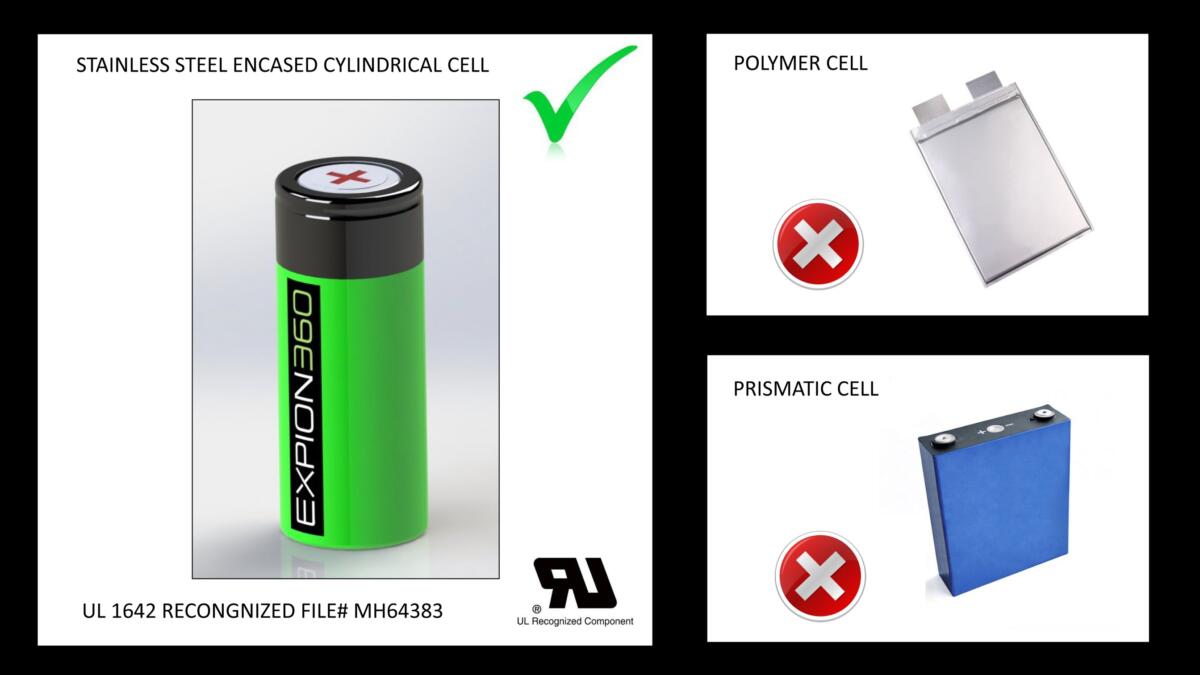
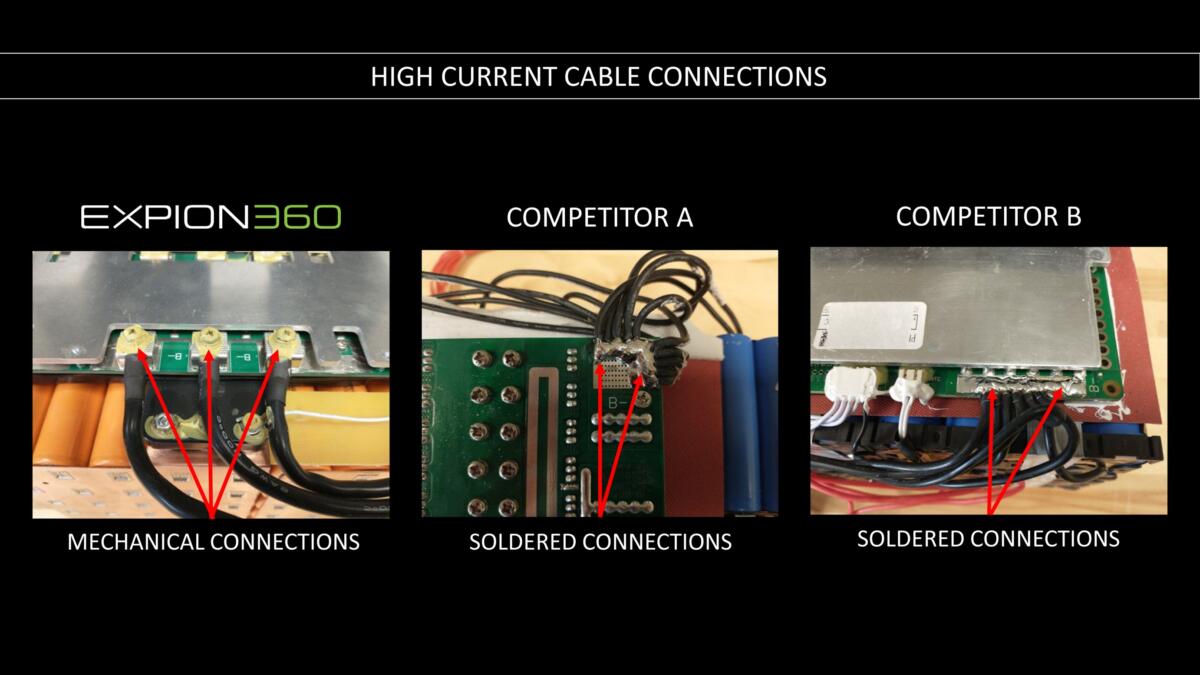
I have researched lithium batteries and charging profiles quite extensively. I have posted several articles regarding what to look for in a quality lithium battery. These include: UL-listed cylinder cells; mechanical connection of the cells rather than a plastic circuit board with solder points; and a battery management system (BMS), which is basically an integrated computer.
Battery management system (BMS)
One key component that I have found from talking with the technicians at Go Power!, Expion360, and Battle Born is the BMS. It not only regulates the charge profile to each of the cells, but also is a safety override if anything should fail. That includes monitoring temperatures, voltage, and shutting down way before a failure, short, or fire.
Since lithium batteries do not have acid covering plates and do not gas when being recharged, they technically are safe to install inside a sealed compartment or even inside the rig under a dinette or bed pedestal. This is actually a good installation point as it positions the battery or batteries closer to the converter/charger. Therefore, there is no drop in voltage and the onboard heater keeps them warm during cold weather.
Storage of lithium batteries
The recommended procedure for storage of lithium batteries is to remove the negative cable. That would separate the batteries from the 12-volt system and eliminate any parasitic draw or drain. A lithium battery will hold a 90% state of charge (SOC) for more than six months, so it will not harm the battery and is the best way to store them. And since there is no charge going to the batteries during storage, there is no danger of overcharging, overheating, or other factors that would create a safety issue.
My concern about lithium batteries
In my opinion, the “safety issue” would be a cheap lithium battery located in an interior compartment that either does not have a BMS, or a cheap one that fails to regulate the charge and temperature.
I am looking forward to getting actual data from the RV owners that attended my seminars this past weekend.
You might also enjoy this from Dave
Is one 300 Ah lithium or three 100 Ah batteries better? What size converter?
Dear Dave,
I decided to go lithium and am familiar with the install, but I have a question on batteries. Currently I have four 6-volt golf cart batteries and am okay with power availability, but slightly more would be better. I see a lot of batteries at 270-300 amps, but I cannot get a clear answer on what’s best: one 300-amp or three 100-amp lithium batteries? I have room for either. I’d like to hear your views and ideas. Thanks again. —Alan, 2018 Winnebago Vista 29VE
MORE FROM DAVE ON LITHIUM BATTERIES
- Will my RV’s charger be sufficient for new lithium batteries?
- How many amp hours of lithium do I need to run 12-volt fridge overnight?
- Will WFCO Auto Detect charge RV’s lithium batteries?
- Will WFCO Auto Detect charge RV’s lithium batteries? —Part 2
Dave Solberg is a leading expert in the RV industry and the author of the “RV Handbook.”
Read more from Dave here.
HAVE A QUESTION FOR DAVE?
Send your inquiries to him using the form below.
##RVDT2607

No doubt about the “craze” part of Lithium. People must have a lot of dough to burn if they can afford this “craze”. I think I’ll stay old school….not that rich.
The thing is, you can get high quality lithium batteries for the price of AGMs now, and gain the benefits of increased capacity (typically 2x) and less weight.
Thank you for the information and warnings, Dave! There are YouTubers who deconstruct lithium batteries by various companies and demonstrate and discuss the strengths and failings they find. However, companies with many bad reviews for poor construction and performance can just change their name and continue operating/exporting. Seems highly important currently to go with higher-priced name-brands than buy inexpensive but potentially dangerous brands. Have a great day and safe travels!
I picked up on the word “store” as opposed to install. At first I thought the question was about storing lithium batteries such as for electric bikes, Segways and devices such as computers. This is a completely different discussion than the one for house LiFe PO4 batteries. Worth exploring.
LifePO4 (Lithium Iron Phosphate) batteries (the ones installed under the bed or dinette) are much safer than the lithium batteries used in electric vehicles. LifePO4 chemistry is not subject to the thermal runaway that causes the fires you see on the evening news that can’t be extinguished. Quality certainly is a major issue, but I personally would never go back to lead acid batteries, and I have had LifePO4 batteries in my trailer, under my bed, for nearly four years.
Dave: I think this question was posed more for the camera, cell, oxygen generator etc, etc., batteries. Even the small watch lith. cells can be dangerous if + and – sides are connected to each other. ( 9 Volt batteries are easy to short with anything metal in your pocket which connects + and – together. I think maybe Rudy was asking about the batts you have pictured. When disposing of them be sure to tape over the contacts….. they can still combust altho they appear depleted.
While I share your concern about the flood of low-end LiFePO4 batteries on the market, I have to take issue with the “requirement” for cylindrical cells.There’s no doubt that they’re very good – assuming that they’re from a reliable source and properly packaged into a battery. However, compared to prismatic cells, cylindrical cells add unnecessary, weight, bulk, complexity and therefore, cost. High-quality, documented automotive-grade prismatic cells are every bit as reliable, again assuming quality construction. There’s a middle ground price-wise where there are several brands with proven track records of producing top-quality batteries with prismatic cells. They offer outstanding value.
As we watch the lithium industry battery fires being fought with no ability to quench the fire, I think of a recent homestead rescue TV show where flooded acid battery fumes drove them out of the house; solution was to replace with lithium. Hindsight tells me MIGHT BE MUCH SAFER to put ALL battery systems in remote buildings, as it recommended for FLAMMABLES AND EXPLOSIVES? FAILURE of a lithium system MIGHT find sleeping users waking to flames? SAME COULD apply to an RV? We all also recall the laptop and toy fires on airplanes and skateboards out at sidewalk, not on a charger?
Glad I closed in the existing house battery bay in the motorhome and put my 2x Epoch 460s there. At the time I did it that way to preserve overall bay storage space and eliminate recabling. But I do feel a bit safer with them not being inside. I may add a temp sensor and/or smoke detector with remote alarm that could wake us up.