

Have you ever noticed a missing dust cap on your RV axle and wondered what happened? You’re not alone. This is a common issue that many RVers face, and there are a few key reasons why it occurs.
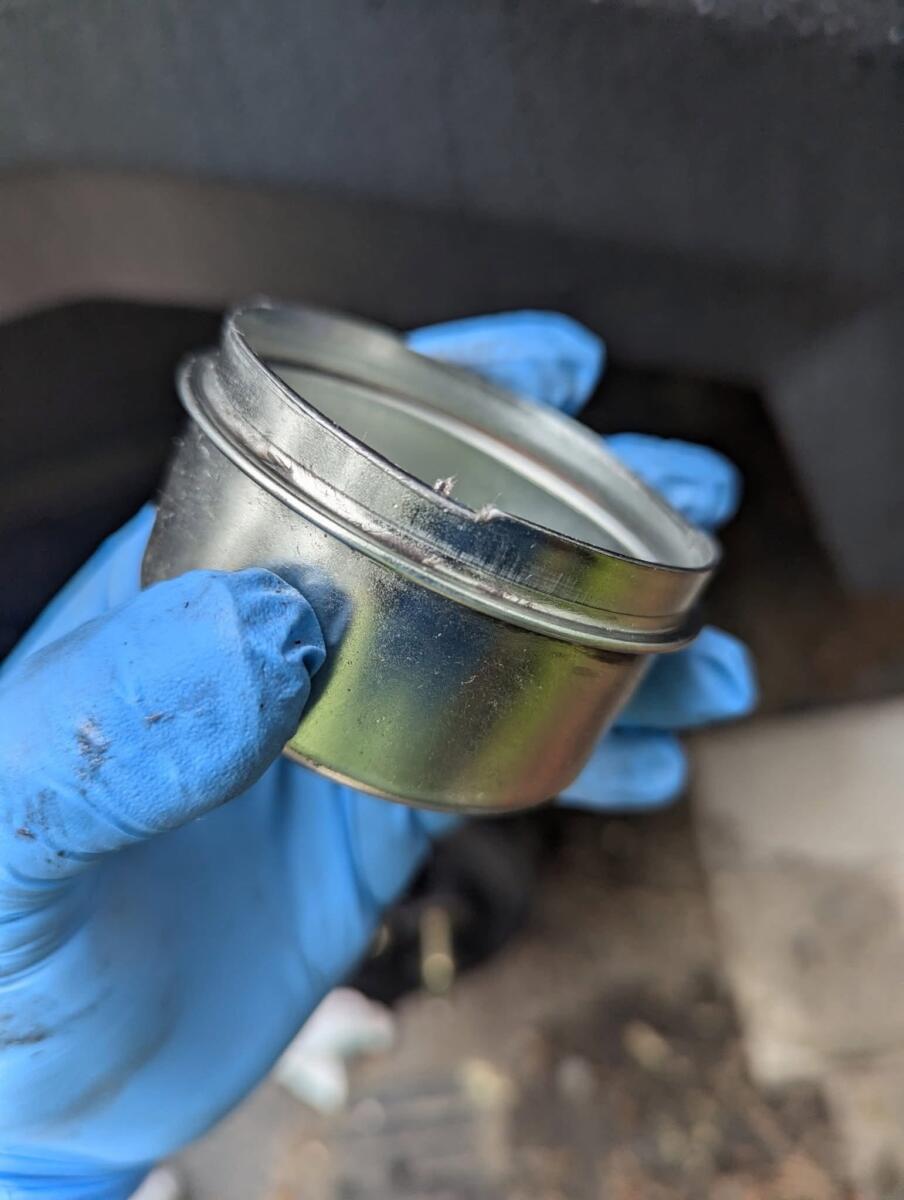
The two most common causes of dust caps coming loose or falling off are vibration and heat. But let’s break down all the potential culprits:
Why dust caps come loose or fall off
1. Vibration and movement (most common cause)
RV travel naturally involves a lot of vibration, especially when driving on rough or uneven roads. Over time, this movement can work a dust cap loose—even if it was properly installed to begin with.
2. Temperature changes (second most common cause)
Extreme heat and cold can cause metal parts to expand and contract. These changes can loosen the dust cap or compromise its seal.
3. Improper installation (rare exception)
If the dust cap isn’t installed snugly or evenly, it’s more likely to fall off. A proper press-fit during installation is essential to keep it secure.
4. Wear and tear (rare exception, especially if not covered with a cone cap)
Road debris, water, and dirt can wear down the dust cap material over time. If it’s not protected or regularly inspected, deterioration may occur.
5. Poor quality materials (rare exception)
Cheaper or generic dust caps may not hold up to road conditions. Always use quality parts designed for your specific axle and hub system.
6. Striking road debris or obstacles (rare exception)
It doesn’t take much: a rock, curb, or chunk of debris can knock a dust cap right off if it’s in the wrong place at the wrong time.

How to prevent dust cap loss:
• Ensure proper installation with a tight, even fit.
• Inspect caps regularly, especially after long trips or rough roads.
• Use cone caps or protectors to guard against wear and impact.
• Upgrade to high-quality caps built for your RV’s specific axle system.
Don’t forget your bearings!
Wheel bearing services should be performed every 12 months or 12,000 miles—whichever comes first. This is not just to protect your bearings, but it’s also the only way to inspect your brakes properly, as the hub needs to be removed for full access.
More from Dustin
Make sure you check out my website, California RV Specialists, and our YouTube channel for more helpful information, and see our published articles on RVtravel.com and other social media pages.
RELATED
- RV wheel bearing pitting and why it can be the silent killer of your RV trip
- Rusty wheel bearing grease? What it means and why RVers should care
- The importance of wheel bearing pack service for safe RV travel
- The truth about RV wheel bearings, plus maintenance tips
- Small components, big RV safety role: Checking your RV axle dust caps
RVDT2708

Another issue is with removal of the cap.Using pliers or tapping with a hammer distorts the cap.
There are special pliers made for removal. They grip the bottom of the cap and allow you to rock it back and forth.
They aren’t inexpensive, but work better than beating it off.
I still have mine from the days of drum brakes.
You can also use a pry bar between the hub and the lip on the cap and slowly wedge it loose.
When I was racing my Camaro (Watkins Glen, Daytona, Lime Rock etc) including 24 hour endurance races, we made sure the dust caps were properly seated before starting a race. This was especially important given the extreme temperatures the brakes developed. (Hot enough for the brake disks to glow red). We found that a piece of PVC pipe would fit over the cap and seat the cap against the hub. This pipe presented a better “target” for the hammer when seating the dust caps.
According to what I just read! Dust caps must have had a drastic change! I had a 1969 CJ-5 Jeep that had that style dust cap on all 4 wheels! Let me assure you that those caps were subjected to some really rough roads & heat for several years before putting locking hubs on! They never had any coming off or even leaking! True story bro! 😎
Snoopy
Thank you for the discussion of dust caps and the reminder to service the bearings and inspect the brakes, Dustin! Have a great day and safe travels!