

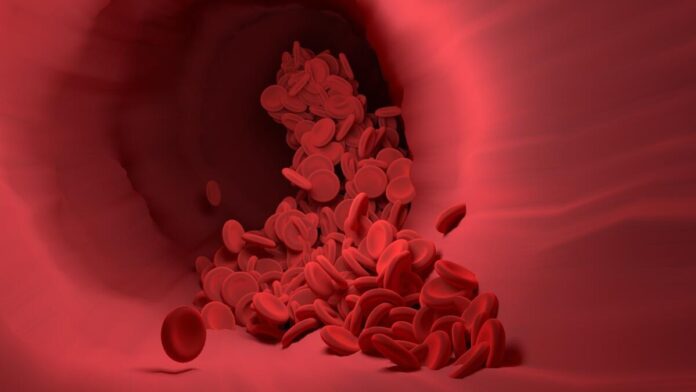
Many of you may have noticed I have not been contributing to the newsletter as often as I have in the past. While working at a show on the Gulf Coast this past spring, I started experiencing unexplained aches in my extremities, mainly around my knees. Upon returning home the aches spread and intensified, I became fatigued and started experiencing confusion and brain fog. Hardly conducive to writing. Thankfully, I was diagnosed before the disease could damage my internal organs. Sadly, this is not the case for those who are not properly diagnosed and are told it is arthritis or age-related.
RVtravel.com readers are at higher risk
While I hate to stereotype any user group, I can safely say the majority of RVtravel.com readers are white and over 60 years of age. Race is based on years of statistics from RVIA, and age is based on a survey of RVtravel.com readers.

Older white Americans are considered at a significantly higher risk of being diagnosed with hemochromatosis. This is due to the genetic predisposition of people of Northern European descent, making it more prevalent in the white population. Also, because the disease often develops with age as iron builds up in the body over time, older individuals are more likely to exhibit symptoms.
Why RV owners of European descent may be more likely to be diagnosed with hemochromatosis
Hemochromatosis, often referred to as the “iron overload disorder,” is a genetic condition that causes the body to absorb and store too much iron. It is incurable. While iron is an essential nutrient for many bodily functions, an excess can lead to severe health problems if not properly managed. Among various population groups, people of European descent are more likely to carry the genes responsible for this disorder, putting them at higher risk for hemochromatosis.
For RV owners who enjoy the freedom of travel and adventure, being informed about this condition is important for maintaining long-term health. This is especially true since RVers often tend to be older, a demographic commonly affected by the disease.
The genetic link
Hemochromatosis is primarily caused by mutations in the HFE gene, which regulates the amount of iron absorbed by the body. The most common mutations are C282Y and H63D, which is what I have. Studies have shown that people of northern European descent, particularly those with ancestors from countries such as Ireland, the U.K., Germany, and Scandinavia, have a higher prevalence of these gene mutations. In fact, approximately 1 in 200 individuals of northern European descent is at risk of developing hereditary hemochromatosis. This puts RV owners of European ancestry, who often fall into the older demographic range, at a higher risk.
Symptoms of hemochromatosis
Hemochromatosis is sometimes referred to as a “silent” disorder because it can be asymptomatic for years or even decades. Symptoms often don’t appear until middle age or later, which is why many RV owners, who tend to be older, should be more vigilant about monitoring their health. Here are some key symptoms of the disease:
-
Fatigue and weakness
One of the most common symptoms of hemochromatosis is chronic fatigue. Excess iron in the body can impair the function of several organs, making individuals feel constantly tired or lethargic along with brain fog, which my wife will quickly attest to. For RVers, who are often engaged in physically demanding activities like hiking, setting up camp, or driving long distances, this could severely impact their lifestyle.
-
Joint pain
Hemochromatosis can cause severe joint pain, especially in the knuckles, knees, and hips. This can be mistaken for arthritis, which is common in older individuals. My joint pain also spread to my elbows and occasionally my shoulders.
-
Abdominal pain
Excess iron can also damage organs like the liver and pancreas, leading to abdominal pain. Hemochromatosis often increases the risk of liver-related diseases, such as cirrhosis, fibrosis, or even liver cancer. As the liver stores much of the excess iron, long-term untreated hemochromatosis can lead to significant health complications. Luckily, I was diagnosed early and there appears to be no liver damage.
-
Diabetes
Hemochromatosis puts you at higher risk of developing diabetes, sometimes referred to as “bronze diabetes” because the skin can take on a bronze or grayish color due to iron buildup. For RV owners, who may already have limited access to healthcare while on the road, managing diabetes can become an additional burden.
-
Heart problems
Excess iron can also build up in the heart, causing irregular heart rhythms (arrhythmias) or heart failure. Heart complications are particularly concerning for older adults, as cardiovascular health can already be compromised due to age. Regular checkups are crucial for RV owners who may spend extended periods away from medical facilities while traveling.
Why RV owners should pay attention
While hemochromatosis is relatively common, it often goes undiagnosed until later in life, when symptoms start to become more apparent. For RV owners, particularly those who are older and of European descent, and at higher risk, staying informed about this condition is critical. RV travel offers a unique blend of freedom and isolation, but this also means that regular access to healthcare may be limited. Being aware of potential health issues, like hemochromatosis, allows for better preparation and management while on the road.
Self-monitoring and regular medical checkups
RVers should schedule regular medical checkups and be proactive in asking their healthcare providers about testing for hemochromatosis, particularly if they experience any of the symptoms mentioned.
A simple blood test that measures serum ferritin levels (not part of routine blood tests) and transferrin saturation can help diagnose iron overload. Genetic testing can confirm whether someone has the HFE gene mutation, providing insight into their risk for developing the disorder. After many trips to the doctor, I was correctly tested and diagnosed. I have since learned that others have inadvertently discovered they were carrying the responsible mutant genes via 23andMe.com when researching their ancestry.

Managing hemochromatosis on the road
If diagnosed early, managing hemochromatosis can be straightforward. The primary treatment is regular phlebotomy, a process in which blood is removed from the body to reduce iron levels—basically, donating blood. For RVers, scheduling these treatments while traveling might require some additional planning. Many medical facilities offer phlebotomy services, and it’s important to ensure that treatments can be done regularly to prevent complications.
In addition to phlebotomy, RVers can manage their condition through diet. Avoiding iron-rich foods, especially red meat, and iron-fortified products, is a key strategy. Alcohol, which can exacerbate liver damage, should also be limited. For those who enjoy cooking on the road, adapting meal plans to lower iron intake can help maintain better overall health. I have also read that cooking with cast iron, which is a favorite of many RVers, can also lead to excess iron intake.
Conclusion
For RV owners at higher risk, again, particularly those of European descent, like me, understanding the risks of hemochromatosis is essential for maintaining a healthy and active lifestyle. Given the genetic predisposition to this condition among people of northern European ancestry, older RVers should be especially vigilant about monitoring for symptoms such as fatigue, joint pain, and abdominal discomfort.
By staying informed and scheduling regular medical checkups, RVers can continue to enjoy the open road while effectively managing potential health issues like hemochromatosis. Ensuring that this genetic condition is diagnosed and managed early can make all the difference in maintaining the adventurous spirit that drives so many RV owners.
Final note: If you are diagnosed with this disease (I prefer to think of it as a disorder), please reach out to your siblings. Since each of the two mutant genes are inherited from your parents, your siblings are at risk for testing positive, too. Oddly enough, my brother was diagnosed the day before I was. Your children and your siblings’ children will be carriers of the disorder as well and should be notified. This is not the inheritance most people expect from their parents. I thought I had just inherited my parents’ love of RVing. Turns out I was wrong.
RELATED
- How I quickly found a doctor while RVing
- Dealing with medical emergencies on the road while RVing
- A heart attack at Love’s Truck Stop: RV trips don’t always go as planned
##RVT1175

Very very interesting and informative glad you caught it on time.
Thanks for this info. Being of Scandanoovian heritage, this was a timely article as I have a doctor appointment in October.
Yashureyoubecha
Great article and very important information. I know of one friend, an ex-RVer–who was also diagnosed a few years ago. I will get myself checked for it, too. Thanks!
Sorry to hear this Dave, your symptoms sound very similar to Fibromyalgia and Rheumatoid arthritis.
Mayo Clinic
There are a few types of hemochromatosis, but the most common type is caused by a gene change passed down through families. Only a few people who have the genes ever develop serious problems. Symptoms usually appear in midlife.
And also Polymyalgia Rumatica..which I went through a few years back.
Good information. I read awhile back cooking in cast iron pans can also lead to too much iron in your blood, especially older adults, as the iron leaches from the pans to the food by heat. Not good. Eat more vegetables!!
Here’s a good article on this subject:
https://articles.mercola.com/sites/articles/archive/2024/08/25/high-iron.aspx
Researchers just found that fatty acids with 15 carbons (C15:0) has an important role in blood cells.
Warmer waters reduce C15 production in fish and grain fed animals have reduced C15 content in beef, dairy.
Animals and humans low in C15 are showing malformed blood cells, which are then broken down early resulting in high iron content in livers, metabolic syndrome, and diabetes type 2, even without the mutations.
https://www.fooddive.com/news/a-fatty-ingredient-hidden-in-butter-could-be-the-secret-to-better-health/577992/
I suffered a scare on this due to what turned out to be bad lab work. Dr Bacon who discovered the condition laughed at me because I was donating blood to 2 different organizations for about a year before I saw him. Simply donating blood can relieve the condition. Get labs(blood work) done at least twice before accepting the doctors opinion. This is of course in my opinion and experience as I am not a medical professional or doctor.
When I was in my mid fifties my doctor (who required blood work for annual physicals) noticed that my total iron level was above normal and had steadily gone up over the last five to eight years and did a DNA test for Hemochromatosis. I came up positive for the defective gene. About 8 months of monthly blood donations lowered the iron level to what was considered “safe”. Over the last 15 years I have been watching my dietary intake of iron and have tested normal for iron levels and have no symptoms now. Like Dave said once you know you have it the condition is easy to manage even on the road.
Thank you, Dave! 🙂 I am glad that you’re feeling better and have been diagnosed. I pray that your treatment regime goes well and that you continue feeling well. 🙂 I will ask my doctor to add this test when I have my annual physical and blood tests. Thanks again, have a great week, safe travels, and safe stays! 🙂
Neal, Thank you for your prayers. Yes, get tested! I will be in your neck of the woods (Knoxville & Birmingham) again next February. Maybe will get a chance to meet at the show again.
You are welcome, Dave, it is the least that I can do. Thank you, good to know! I will plan to be at both shows. Thank you for letting me know your schedule! 🙂 Have a great weekend, Dave! 🙂
After reading this, I remembered that I had a brother who was diagnosed years ago when I was in my 40’s. Now that I am post menopause, I suspect this is the reason sometimes my joints hurt. I have since given blood twice, and can honestly say about 2 weeks after giving blood, I felt like my old active self. When I have my annual exam in the spring, I will discuss more with my doctor. Thank you for the great information.