

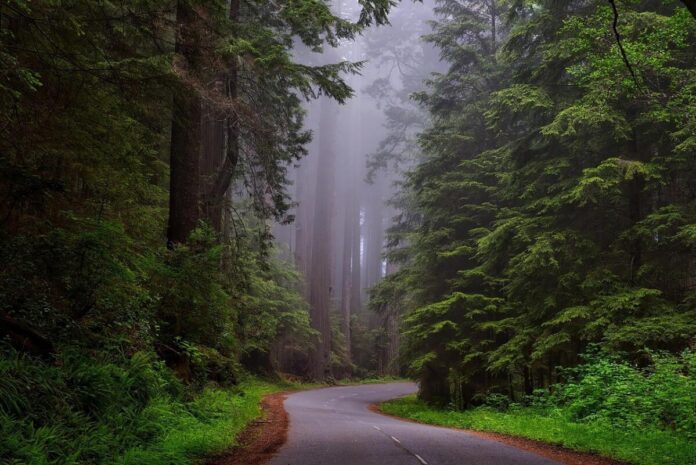
A big rule change is moving through the federal process right now. It proposes rescinding the current “Roadless Rule” in some of the U.S. National Forests. The public comment period closes on September 19, 2025.
The U.S. Department of Agriculture (USDA) has started the formal process to rescind the 2001 Roadless Area Conservation Rule. This rule currently restricts road construction, reconstruction, and logging across roughly 58–59 million acres of Forest Service land.
In announcing the rollback proposal, U.S. Secretary of Agriculture, Brooke Rollins said, “This administration is dedicated to removing burdensome, outdated, one-size-fits-all regulations that not only put people and livelihoods at risk but also stifle economic growth in rural America. It is vital that we properly manage our federal lands to create healthy, resilient, and productive forests for generations to come. We look forward to hearing directly from the people and communities we serve as we work together to implement productive and commonsense policy for forest land management.”
Two sides divided
Proponents, including USDA leadership, say removing the Roadless Rule will let foresters, local loggers, and land managers be more effective. Under the rollback, targeted road building and timber work will reduce hazardous wildfire fuel, improve forest health, open access for fire crews, and support economic activity in rural timber-dependent communities. The USDA’s public statement frames the change as “common-sense” management meant to improve wildfire preparedness and restore local control over forest treatments.
Opponents include conservation groups, trail organizations, and many outdoor recreation advocates. They warn that opening roadless areas to new roadbuilding and industrial logging risks habitat loss, erosion, and degraded water quality. Opponents worry that rolling back the Roadless Rule will harm biodiversity and scenic values and could fragment long-distance trails and wildlands.
What’s next?
The USDA says about 30% of National Forest System lands are affected by the rule (roughly 58–59 million acres). Large areas that could see an impact include places like Alaska’s Tongass Forest, Utah, and parts of Montana.
The Federal Register notice sets the public comment deadline at September 19, 2025. The September comment window is about shaping the scope of a proposed environmental impact statement (EIS). Results from the EIS and another chance to comment are expected in 2026. A final decision will likely come later that year.
Potential effects
Roadbuilding and new logging work near previously roadless areas could change the character of scenic drives and backcountry campsites. This might mean potentially increasing industrial truck traffic on access roads or opening formerly quiet forest edges to work crews.
Increased mechanical treatment and access could help create fuel-break roads that proponents say aid firefighting. However, it could also disturb wildlife, cut through trailheads, or change water runoff patterns that affect streams and campgrounds.
While rescinding a nationwide rule sets the parameters, local project-level decisions will determine actual roadbuilding and treatments.
Make your voice heard
The comment window that matters right now closes at 11:59 p.m. Eastern on September 19, 2025. Submit formal comments through the Federal Register notice or Regulations.gov using docket FS-2025-0001.
Even short, personal comments that explain how you use national forests for RV camping, scenic drives, wildlife viewing, or trail access are valid and often persuasive. Officials weigh both technical submissions and hundreds of personal-use statements.
To comment, use one of the following methods:
• Electronically (preferred): Go to the notice posted on Regulations.gov. After reading the notice, click on the Comment button.
• Mail: Hardcopy letters should be submitted to the Director, Ecosystem Management Coordination, 201 14th Street SW, Mailstop 1108, Washington, DC 20250-1124.
Long and short term
This proposed rescission is a policy-level move that starts a formal rulemaking and environmental review. That means short-term headlines don’t automatically translate into immediate road projects. Project-level National Environmental Policy Act (NEPA) analyses and local planning would follow if protections are removed.
The public comment you submit this month helps shape what the draft EIS evaluates, which alternatives are considered, and which impacts receive closer study.
RELATED
- Government plans to repeal land protections on public lands
- Public lands sales overruled — for now
- RV industry says hands off public lands. RVers camp here, not in condos
- Public lands spared from sale in last-minute budget deal
- For more information on public lands sales, click here.
RVT1126b

Opening the forest won’t reduce the wildfires because they will harvest the real growth not the deadwood. Typical of the current administration, they want to use these lands for oil and mineral exploration without knowing what is there. The bottom line is the DOLLAR.
It’s always the dollar on these things vs the people
Im not even close to knowledgeable , but I frequently see logging of burned trees while driving through the Sierras. I like it, wish we did more of it, we have way too much burned forest. Would lessen our lumber dependence on Canada.
Like it or not Oil and Minerals are what keeps the us and the World going. How do we know what’s there without exploration? Exploration and Exploitation must be done with as little environmental damage as possible but the results.make us less dependent on other countries.
Pursuit of the “Dollar” helps to fund our MASSIVE Entitlements Programs and MASSIVE DEBT through Taxes. (Currently spending $1.25 for every $1.00 taken in) We need reasonable regulations.
This is a great week for more great news about our forests and better forest management. America is winning and winning and winning…. again.
I’ve heard it all now
Winning on policy, winning on message, winning on common sense and winning in the courts. Wx4. Want more?
Thank you for the news, Gail! On the surface, this seems a great idea. During graduate school and many years since, I have enjoyed running trails in Tuskegee National Forest. The forest has numerous dirt roads that cut my favorite trail and detracts in no way from my pleasure from running the trail. I encounter the road, find the trail entrance on the opposite side of the road, and continue. I sometimes choose to run the road to see where it goes and later return to the trail. As to the Tongass, Alaska has had numerous problems with massive wildfires in the recent past. Inserting roads allows fire crews and their equipment to get deeper into the forest and nearer whatever fire they are fighting. …
… Have a great weekend and safe travels!
This is a great article, informative, and written without bias while encouraging involvement and action. Personally, I do not use the National Forests but I do appreciate their importance. Registry.gov has received just over 86,000 comments regarding this proposal. I plan to submit a comment letter today and encourage everyone to do so as well.
I think a balance is absolutely reasonable (especially with a renewable resource such as lumber).
A recent Executive Order aimed to preserve and improve our national parks, Making America Beautiful Again, will preserve areas of greater importance.
By additional leasing of public lands for oil and forestry, it creates greater revenue for our country, thus lowering taxes while creating jobs.
This is a win, win, win for all.
Old logging roads typically become new forest service roads for fire trails, rescue routes and greater back country access. As a boondocker who loves getting further off the beaten path, I love the idea of restoring access to public lands.
Wilderness fires are natures way of regenerating forests and culling animal populations. Roads invite human interference with this process. Leave well enough alone. This part of America is just fine.
Thank you Gail for the discussion format in this article. No apparent bias added. Refreshing! I was surprised to not see Calif. or Idaho listed however. They have had extreme fire losses – made worse by no access into these overgrown areas. There will be more wildlife lost to fire than to roads to say nothing of the usable timber losses. Also, we now have oil drilling horizontally rather than only vertically. (Drill down outside several hundred (thousand) of feet, make a 90 deg turn. No disruption to surface areas inside protected areas.)
See the quote at the top of today’s edition.
We have already paved almost all the wilderness white people found here. Enough is enough.
Who said anything about pavement?
Hysteria X 10.