


Early this week we were putting together a story regarding the potential sale of federal public lands. It appeared that it was possible that nearly a half-million acres of public lands, including some next door to one of America’s national treasures, Zion National Park, could have gone on the sale block. What a difference a few hours makes. Now, those lands are not for sale.
Congress has been wrestling with the federal budget, with an aim to get a bill passed by this weekend. We’re not going to visit the brass tacks of “who wins/who loses” in terms of dollars and cents. However, we will touch on one aspect of the bill—that which would have allowed the sale of those thousands of acres.
Recreation industry happy public lands are not for sale
A statement from the Outdoor Recreation Roundtable (ORR) paints the history of this public-lands-on-the-chopping-block scenario. The roundtable is a coalition of outdoor recreation trade associations and organizations. It represents more than 40 national associations and 110,000 businesses across various sectors, including the RV industry. Here’s what showed up on our desk this morning, Thursday, May 22, as we were working on our piece.
“Just before midnight on May 7, members of the House of Representatives Natural Resource Committee added an amendment to a sprawling budget bill that would have forced the sale or transfer of some 540,000 acres of public land in Utah and Nevada. The provision caused an uproar among public land advocates who said it would clear a path for more public land sell-offs during future budget negotiations.”
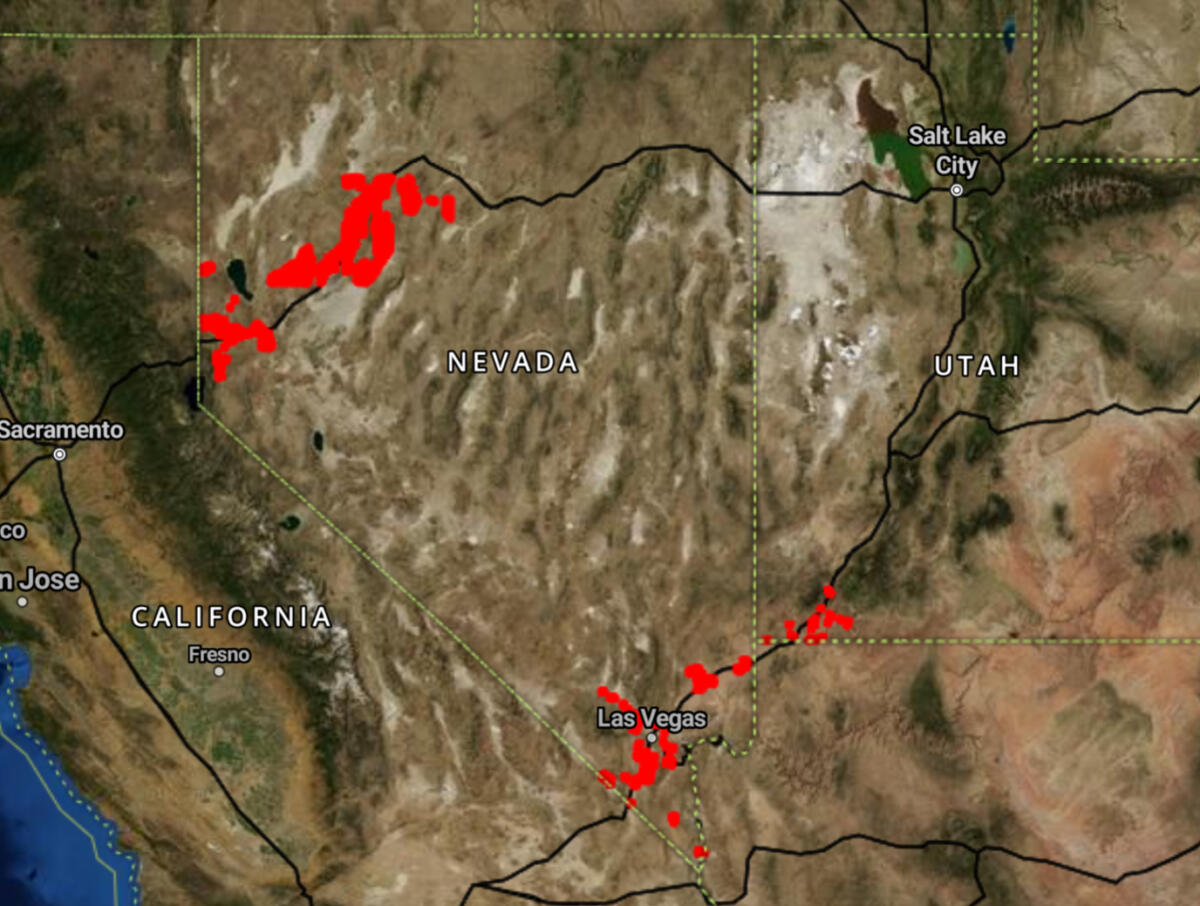
The amendment, which was introduced by Representatives Mark Amodei (R-NV) and Celeste Maloy (R-UT), initially proposed the disposal of approximately 11,000 acres in southern Utah. That’s what it looked like on the surface. But digging deeper, the provision encompassed a much larger area, totaling more than a half-million acres, including a 311-acre tract next door to Zion National Park. The proposal’s late inclusion in the budget bill, without public consultation, sparked widespread concern among conservationists, outdoor enthusiasts, and lawmakers.
The Outdoor Recreation Roundtable wasn’t the only group opposed to the public land sell-off. At least 70 conservation groups sent a letter of opposition. In part, it read, “This bargain-basement auction of our nation’s natural heritage under the sham of paying for tax cuts to billionaires is simply reprehensible and un-American, and we therefore urge you to oppose this legislation and this pernicious amendment.”
Opposition comes from other camp, too
But conservation groups weren’t the only ones up in arms. From what many might consider “the other side of the aisle” came Ryan Zinke, the former head of the Department of the Interior, appointed by President Trump during his first administration. Now a Montana Congressman, Zinke had this to say about the sale of public lands: “I do not support the widespread sale or transfer of public lands. Once the land is sold, we will never get it back. God isn’t creating more land.”
Apparently, the voices of those opposed to selling off public lands were heard. The land sale amendment that was rolled into the budget bill was, at the last minute—pulled by the House Rules Committee. From there, the revised bill squeaked by, passing with a vote of 215 to 214.
More than just beauty—freedom
What’s it mean for RVers? Perhaps a precedent set for future land sales. Uncle Sam manages nearly 640 million acres of land, much of it in the West. These lands include national forests, BLM (Bureau of Land Management) lands, national monuments, and other public areas where we RVers routinely camp, boondock, hike, fish, and explore.
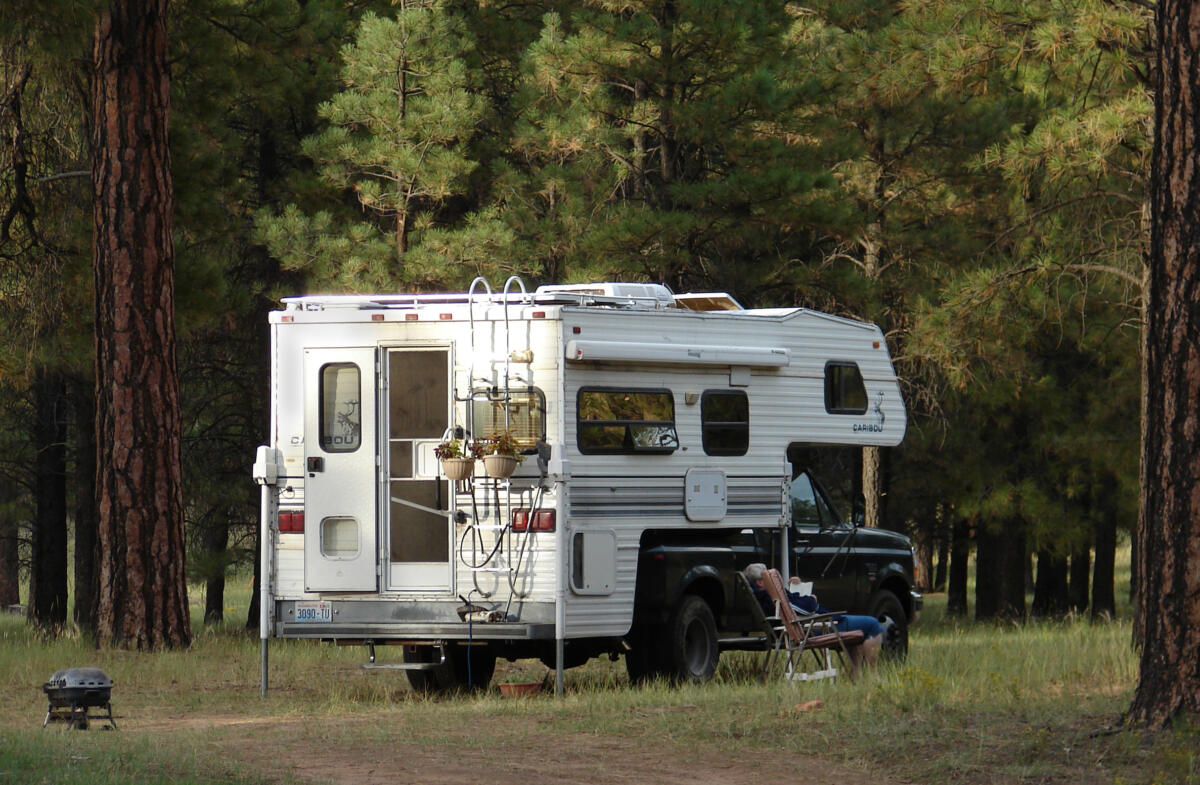
Public lands offer more than just scenic beauty, they also offer freedom. Freedom to travel off-grid, stay in dispersed camping areas, and enjoy extended stays without paying expensive campground fees. The potential sale or privatization of these lands could put up “No Trespassing” signs where open access once reigned. At least today, public lands are not for sale.
RELATED
- Zion begins shuttle bus service March 2
- Hiking Angel’s Landing in Zion National Park aka ‘America’s Deadliest Hike’
- Texas wants a say in California’s desert—through federal court
- Seasonal jobs cut as public lands and RV industry face big changes
RVT1210b

⭐️⭐️⭐️⭐️⭐️ !!
Thank you for the news of the congressional machinations and present solution, Russ and Tina! (still no tilde or accent, but at least it is not a regular “n”) Have a great weekend and safe travels!
That is not good news. The federal government owns way too much land and should sell off a lot of it! In Utah, they own 63% of the entire state. That isn’t good for the state or for citizens!!
Selling public lands, even those lands in Utah and Neveda will translate to all other states considering the same issue. Colorado and Idaho legislators have discussed doing the same thing and have not acted on this issue yet. That fishing hole, hiking trail, bike trail, ATV trail, camping site, hunting areas will be closed to the public access.
Our public lands are not for sale ..!That’s why they are public. This is non negotiable. This is absolutely ridiculous.
This is not a binary choice. 81% of Nevada is owned by the Gov’t and most of it has no tourism value. So yes, I agree don’t sell more of RedRock, Tahoe or the adjacent parcels. Do however, sell the parcels that lie between Las Vegas and Primm.
You can’t complain about real estate prices and housing shortages and then also be against all federal land swaps or sales. No land for builders to develop means lower supply, lower supply means higher prices. Where would those opposed to all land sales propose we build more inventory and lower the entry costs for homeownership for the next generation? Mars?
Happy trails ✌️ 😎
I agree there is room to reasonably sell or exchange some of public lands adjacent to cities like St George. But this was thrown into a bill along with the sale of lands adjacent to Zion National Park (an incredible public asset) with no public discussion or process. This was an attempted giveaway. I live in Salt Lake City, Utah- and Celeste Maloy is actually my representative due to gerrymandering which has split up Salt Lake County into slivers of all of Utah’s four congressional districts to dilute our vote and give Republicans an unchallenged 4-0 representation of Utah even though the statewide vote is typically 60-40. But she tries to ignore Salt Lake City as much as possible and pretend
No disagreement here. Just like Nevada, Utah public lands encompass over 60% of the land area, (81% in Nevada). Clearly historically sensitive areas or places of unparalleled beauty like Zion, Yellowstone, or the Grand Canyon need to be off limits. That said, we need area to develop and get real estate prices under control.
On gerrymandering districts……. yup, just like Wisconsin is about to increase its blue districts and thus blue representation, and reduce red reps. Two way street, decade to decade and court appointment court appointment.