

By Cheri Sicard
A sticky RV sewer valve can turn a routine tank dump into a mess. In many cases, the problem starts with dirt, dry seals, or a cable that has too many tight bends.
In the video at the end of this post, Jared Gillis of All About RVs focuses on simple maintenance that keeps drain valves moving smoothly and helps them last longer. A few small fixes can often prevent a full valve replacement.
Keep the cable and shaft moving freely
One of the most common sewer valve problems is a stiff handle. The shaft or cable picks up rust, road grime, and dust over time, so the valve gets harder to pull. A slide-out silicone lubricant like this works better than WD-40 here because it dries quickly, resists water, and does not hold dirt.
The method is simple. Pull the handle out, spray the shaft, then work the handle in and out several times. That motion helps flush old grime from the cable while the lubricant coats the moving parts. Valves mounted outside usually need this more often because they see more weather and dirt.
If a valve still feels stiff, cable routing is worth a look. Fewer bends and wider curves usually make the handle much easier to operate.
Lubricate the valve seal before it dries out
The internal seal can also make a valve drag or hang up. For that, a product made for RV waste valves is the safer option. Thetford drain valve lubricant can be poured down the sink or toilet, then mixed with four gallons of water in an emptied tank. On a drive day, that mix sloshes around and coats the seal. After arrival, cycling the valve helps spread the lubricant to both sides.
This kind of treatment makes sense when a valve starts sticking, but it also fits at the start of camping season and before storage.
A direct-access trick for hard-to-reach valves
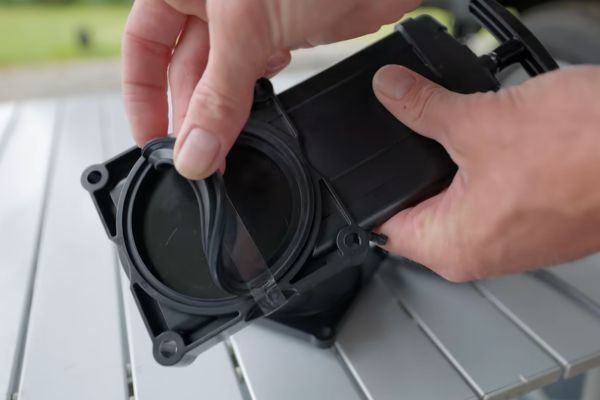
For a valve buried farther up the plumbing, Gillis shows a more targeted fix. A small hole can be drilled into the housing where the blade retracts, then capped with a screw. That opening gives direct access for spray lubricant without taking the whole valve apart.
Care matters here. The hole cannot block blade travel, and the spray should be safe for rubber and plastic. A non-petroleum lubricant is the safer choice because petroleum products can swell the seals.
Add an end valve for cleaner hookups and easier troubleshooting
An end valve adds several useful functions. A twist-on valve is the easiest option because it replaces the cap with no modification. It keeps residual water from spilling during hookup, gives a clear visual check that the last valve is closed, and can help hold tank treatment in the line when an upstream valve will not close all the way.
It can also help some RVs equalize gray tanks while boondocking, if both tanks sit at the same level. Many owners pair it with an easy cap that clears the larger handle and includes a garden-hose connection.
A glue-on valve is a cleaner permanent setup because it sits closer to the RV and sticks out less. Depending on the plumbing, that can mean gluing onto a 3-inch pipe, using a 3-inch hub valve, or removing an old fitting with a reaming drill tool. Here’s the one I use.
Final thoughts
Most RV sewer valve problems start small. A dry cable, a dirty shaft, or a tired seal can make a valve feel worn out long before it needs replacement. With the right lubricant, better cable routing, and an end valve that fits the plumbing, RV owners can keep drain valves working smoother, cleaner, and longer.
RELATED
- Poll: Has a sewer valve or hose ever broken or malfunctioned while you were dumping?
- RVer dumps sewer tank into gas station’s diesel tank. Big time bad news!
- A quick, easy trick to keep your sewer hose clean
- Need a sewer hookup? Get a poop grinder!
RVDT2924