

By Cheri Sicard
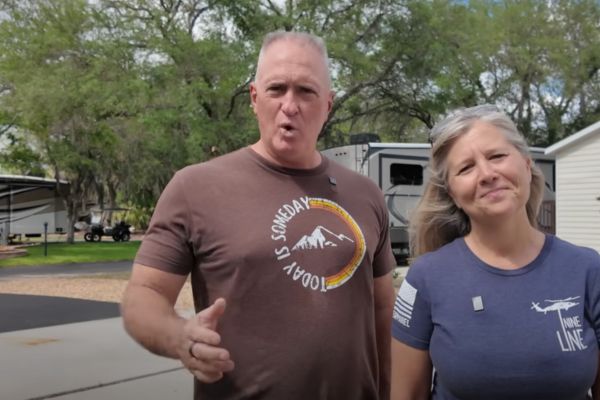
After seven years of living full-time on the road, the crew from Today is Someday [194K subscribers, 28.4M views] finally has a place to call their own again. The purchase of an RV lot in Crystal River, Florida, changed everything about their travel routine. Instead of always chasing the next spot, now there’s a home base where the wheels can rest and everyone can just relax when needed. That sense of relief was overdue after years of tiring setups and breakdowns.
In the video at the end of this post, we get a tour of the popular vlogging couple’s new digs.
Their lot in Crystal River, FL, checks all the boxes for comfort and setting. Tucked away with a water view, the site features a cozy deck, plenty of shade, and vibrant birdlife right outside the door. Every day brings pretty bluebirds and, at least in their dreams, glimpses of a manatee cruising the water.
Lot highlights:
• Deck space for morning coffee or evening birdwatching
• Shaded areas to beat the Florida sun
• Waterfront views (with or without manatees)
• Lush greenery and a friendly park atmosphere
Deeded vs. leased RV lots
Choosing the right kind of ownership really matters. Here’s how deeded and leased lots stack up:
| Feature | Deeded Lot | Leased Lot |
| Ownership | Full control (like a house) | Long-term lease, not actual ownership |
| Upfront Cost | Higher | Usually lower |
| Security | More | Less |
| Fees | HOA, taxes, utilities | Lease fees, sometimes less |
| Flexibility (resale) | Can sell anytime | Depends on lease specifics |
Deeded lots mean true ownership, with all the rights and responsibilities. Leased lots are typically cheaper, often with long leases (even 99 years), but come with more restrictions and less security.
Full control was the goal. Owning a deeded lot brings real peace of mind and security, and lets the owner sell or upgrade whenever they want. Lease arrangements may seem cheaper at first, but can limit flexibility and long-term planning.
Before calling it home, the new owners tackled a big cleanup. Shrubs came out, dead trees and low limbs disappeared, and new rocks and greenery made the whole area feel twice as big. It went from cramped and boxed-in to breezy and open, a night-and-day difference.
Is owning an RV lot cheaper than renting?
Not always. Many assume buying is less expensive, but the hidden costs stack up:
• HOA fees
• Property taxes
• Utilities (water, electric, trash, Wi-Fi, cable)
• Maintenance and landscaping
Crunch every number before signing. A simple price-per-month comparison doesn’t tell the whole story. Use a checklist:
• Purchase price
• Monthly HOA/fees
• Utilities (estimate)
• Upkeep/landscaping
• Insurance/taxes
Why not a house?
A house means more chores, more expenses, and more to worry about when away for months. The RV site keeps things simple. It offers a spot to rest, relax, and recharge, but with none of the headaches like lawn mowing or fixing the gutters.
This Crystal River park stands out for its active, friendly community. People gather at the clubhouse, play games, barbecue, and just hang out. Some folks insist on pools or pet runs; others care more about social events. Knowing what matters most can help avoid regrets. Visiting parks and reading reviews before buying is smart.
The couple’s dream is to have home bases across the country: Florida, Texas, Tennessee, and someday the West Coast. The idea is to keep drives shorter and always have a spot for every season. Tennessee’s on the wish list, especially for spring and fall, and the West Coast is another goal. Location and climate really matter for year-round use.
Renting out your RV lot
Some parks let you rent your spot out when you’re gone, making it a handy way to offset expenses. Always check park rules—some parks take a cut of rental income, sometimes up to 75 percent, while others let owners keep it all. Know the rules before buying if rental income matters.
At their site, the Today is Someday crew pays about $250 in HOA fees plus another $25 or so for electric. These numbers can change if the site is occupied by renters. Anyone shopping lots should ask about what’s included in fees and what isn’t.
Improvements require permission. Adding decks, outdoor kitchens, or even storage sheds means checking with the HOA and getting permits when needed. Only certain upgrades are allowed—know the rules to avoid headaches. For this site, only minimal permanent structures (like a deck or storage unit) are permitted. Future plans include a weather-resistant outdoor counter and a better deck for entertaining.
The on-site storage unit keeps chairs, e-bikes, and extra gear dry and safe. Secure storage is a real lifesaver for full-timers. It makes life on the road and at the lot much easier.
Owning the site means choosing privacy. No more feeling like a sardine at busy campgrounds. Extra breathing room, no peering neighbors, and peace to relax, nap, or solve “rig disagreements”—privacy makes all the difference.
Crystal River, Florida
The couple’s lot is about 80 minutes north of Tampa, in Crystal River, a cozy Florida town famous for outdoor adventures and wildlife. Kayaking, biking, hiking, and manatees draw visitors every year. Crystal River is the only place in the U.S. where it’s legal to swim with manatees—a true bucket-list experience.
Owning an RV lot has reshaped how the Today is Someday crew travels. With a home base to relax, rent out, and call their own, their travel stress is down and their comfort is way up. For anyone considering this path, run the numbers, know your needs, and think about what you want out of both the site and the community. It just might be the best upgrade ever for full-time RV life.
RELATED
- Everything you need to know about buying an RV lot
- Forest River to debut new destination trailers
- Park model RV is like a fully furnished small home
RVDT2726
Our larger trailer is pretty much stationary at a 55+ long-stay RV park. It has a nice community building with showers, laundry, and club room. Huge off-leash dog park. Best of all, it is a true community atmosphere. Storage sheds are permitted. We (and others) store smaller trailers within the park for travel. Yes we pay site rent plus electric, but no hassles of owning and eventually selling real property. When we are done (or dead), we (or the kids) give notice and are gone at the end of the month.
We are getting serious about selling the traditional trailer and its ongoing seal and holding tank maintenance for a RV park model, which the park allows.
Thank you for sharing the video and reviewing the major point, Cheri! Some friends are avid followers of these guys. I can understand the need, desire to have a home base. We, too, have that need, desire. I also understand the many distinctions between their set-up and a house. We have the latter and there is never a shortage of work needing to be done. Have a great day and safe travels!
What does her t-shirt say ?
Hi, Janet. It says Nine Line. According to the Nine Line Foundation website: “In combat, a Nine Line is an emergency medevac request, and is often the difference between life and death for the most severely wounded soldiers. Nine Line Foundation aims to serve in a similar manner, offering a lifeline once wounded veterans return stateside.” Have a great day. 😀 –Diane at RVtravel.com
This RV park- Nature Coast Landing in Crystal River is a bit dated. The monthly HOA is $292. Electric is between $60 – $150. The park is close to the barge canal that goes to the Gulf of America. Lots of gators though. Bike trail close by. The town of Crystal River is about 10 miles. Yankee town is about 2 miles. Elvis destination.
Most of the lots are overpriced as they were bought during covid and they are trying to recoup the cost. Best bet is to rent to see if you permanetly want to stay. Rent is between $600 -$1000 a month.
I forgot to add the road noise from this RV park is very high due to being located on the side of highway US 19. Important thing to know before purchasing.