


I was reviewing a few posts from people who felt the need to change their RV’s tires. There were a variety of reasons, but there were also a number of posts that indicated to me that many RV owners are not paying attention to the facts and science of tire wear and failures.
Some people had wear complaints such as one shoulder wear or center wear. They indicated they were going to change brands or tire size or “ply rating” in their effort to get better wear.
Tire wear could be from bad alignment
The reality is that some wear conditions are simply a function of bad alignment. Toe and camber are the primary conditions of concern. [Camber is the inward or outward tilt of a tire, while toe is the direction the tires point when viewed from above.]
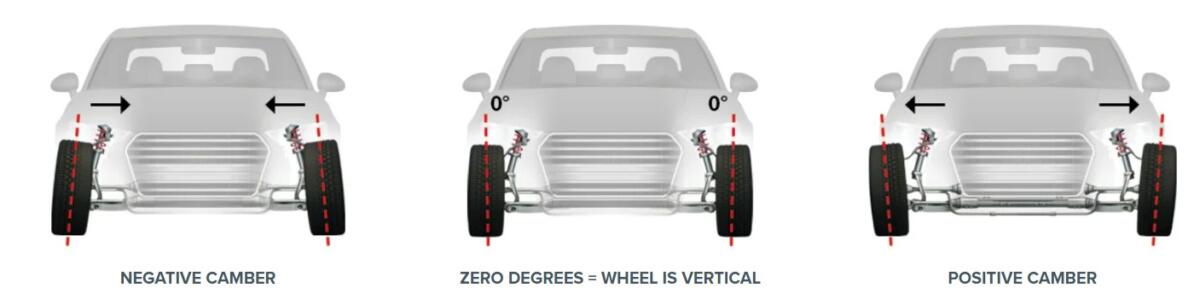
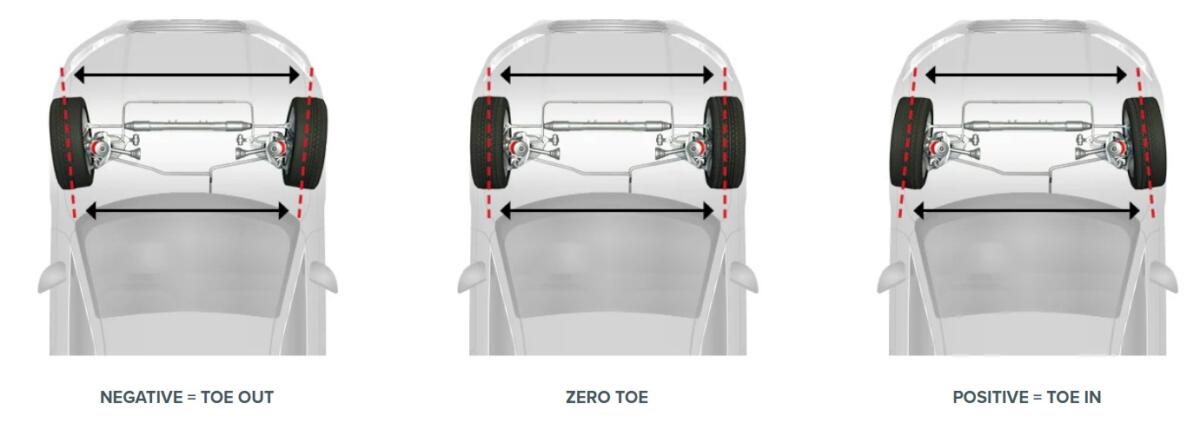
Very few RV trailers have adjustable alignment features as found on most automobiles. Trailer axles may need to be bent or replaced if or when they get too far out of specification.
In my opinion, all RV shops should be able measure wheel alignment to learn the “why” of irregular or rapid tire wear. But based on reading posts on alignment, this is something that many shops simply do not do.
“Adjusting” axle alignment
While there are a few locations that can “adjust” solid axle alignment, they are few and far between, so you will need a fair amount of research. I am not aware of many RV dealerships that can “adjust” axle alignment. So the “fix” may be to replace axles.
If your tire wear concern is just faster wear than expected, it would be important to know if the “fast wear” is found on all tires or just one or two. This can help identify the potential reason for your fast wear situation.
Info to review before changing RV tires
If you have confirmed you do not have an out-of-alignment condition and not a load or inflation problem and still want to change tires, there is some information you should review. Otherwise, you may end up with the same or even worse tire wear problem.
- Have you confirmed the actual weight on each tire position, not just the average load based on the total load on an axle?
- Have you consulted the Load & Inflation tables to confirm your psi is correct?
- Have you confirmed that your pressure gauge is accurate to +/- 2 psi or better?
- Do you know the difference between Load Range and Ply Rating?
- Is the “Load Range” of the new tires you are considering sufficient to support your actual measured loading?
- Are the new tires you are considering covered by any warranty on durability or wear?
- Do you realize that the tire “Speed Symbol” is based on a 10-minute test, and it does not mean unlimited operation at speeds higher than 65 mph for ST-type tires is OK?
Roger Marble
MORE INFORMATIVE POSTS FROM ROGER
- Balancing RV tires 101, and a reminder about ‘cold’ inflation
- 877,000 vehicles recalled. Why? And why you need to have tires’ full DOT serial number
- How and why to photograph your tire sidewall info
- When to replace tires? Find out here
- Is a tire sidewall ‘bulge’ a sign of a ‘defect’?
- Is this a tire ‘defect’ or driver’s fault?
- ‘Defective’ tires: Just what is the ‘defect’?
- People still erroneously blame ‘defective’ tires for ‘blowouts’
*****
If you have tire questions, check out Roger’s posts on RVtravel.com. There are hundreds of posts covering everything to do with tires.
If you still have a question for Roger after searching the above posts, send your inquiries to him using the form below.
RVT1237

The biggest problem is people would rather blame the tire company than know the 7 things you listed!