


In my 45+ years as a tire design and forensic engineer, I have inspected tens of thousands of tires. These tires included almost every size or type from 8″ wheel barrow tires to 30″ tractor tires. One constant that I can remember is that tires with manufacturing “defects” failed or displayed some evidence of the problem in the first couple of hundred miles.
Recently I took the wife’s Miata down for an oil change and tire rotation. When contacted by the store, they told me that they had discovered a “bubble” in the sidewall and wanted to know what I wanted to do.
Tire sidewall impact break
After a quick look at the location of interest, I concluded that we were looking at a “sidewall impact break”. I had the store replace the tire with a new one and asked that they allow me to do a “Failed Tire Inspection”. Here is what I found.
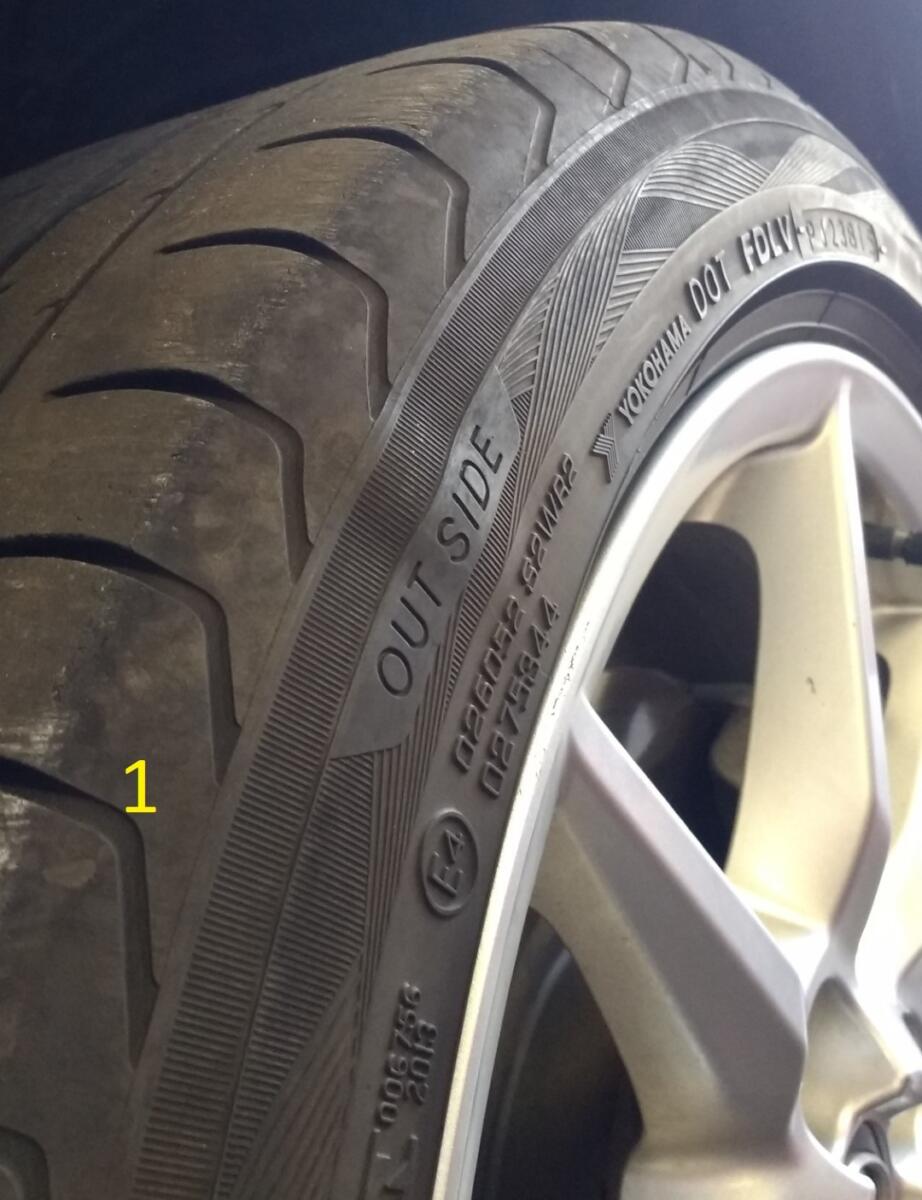
Picture 1 is of the inflated left front tire on the car.
You can easily see the “bubble” on the sidewall under the molded word “OUTSIDE”. What tipped me off to the damage being an impact and not a sidewall bubble or blister was the shape (more radial in nature than round) and the gradual nature of the rise of the shape. Sidewall blisters are normally more abrupt.

Closer inspection
I cut the sidewall to allow a closer inspection.
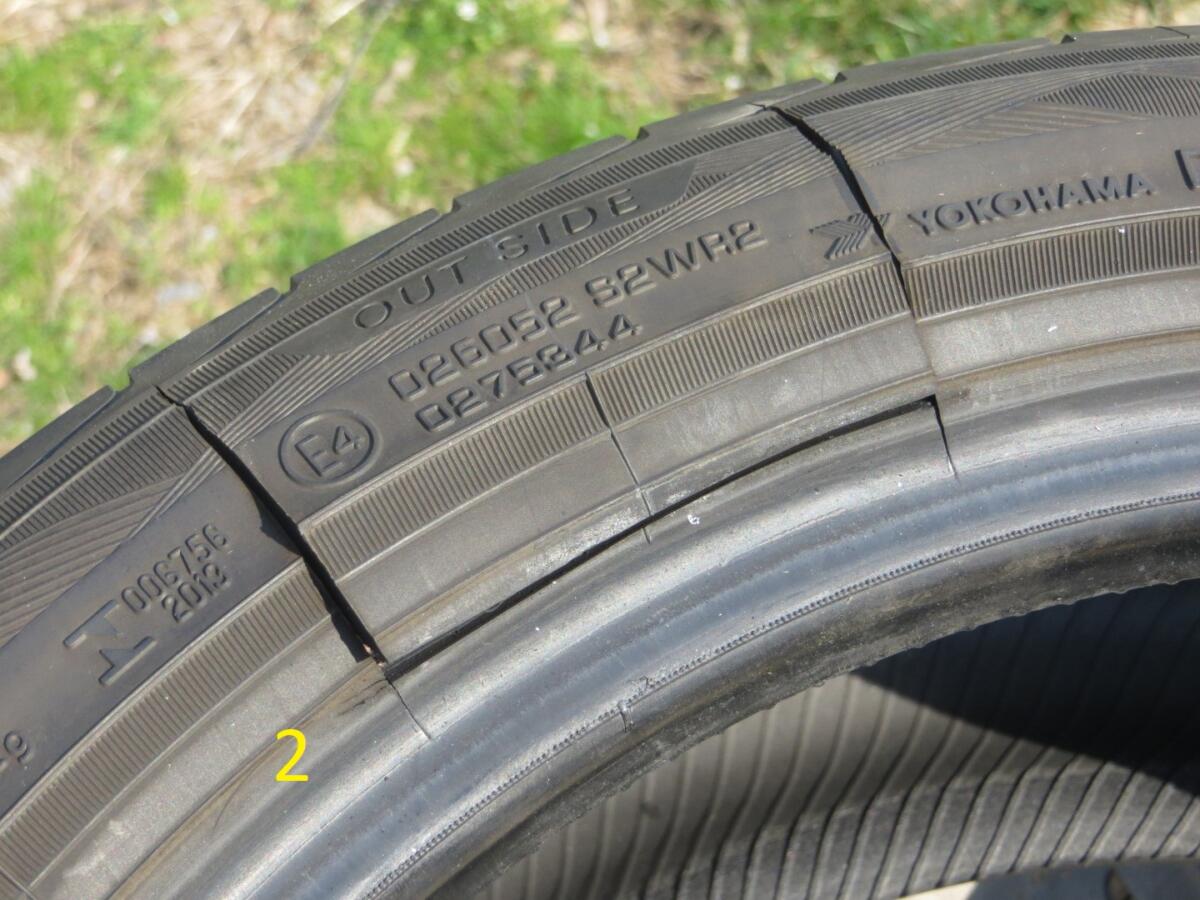
Picture 2 is of my initial examination cuts. Note I did not cut directly through the area in question as I did not want to destroy or contaminate the “evidence” that I suspected would be found in the area of interest. This is an important point that many inexperienced investigators sometimes miss.
The interior picture (3) is what we see inside the air chamber at the location of the sidewall “bump”. I have an arrow pointing at the stress marks of the body cord on the inner liner rubber.
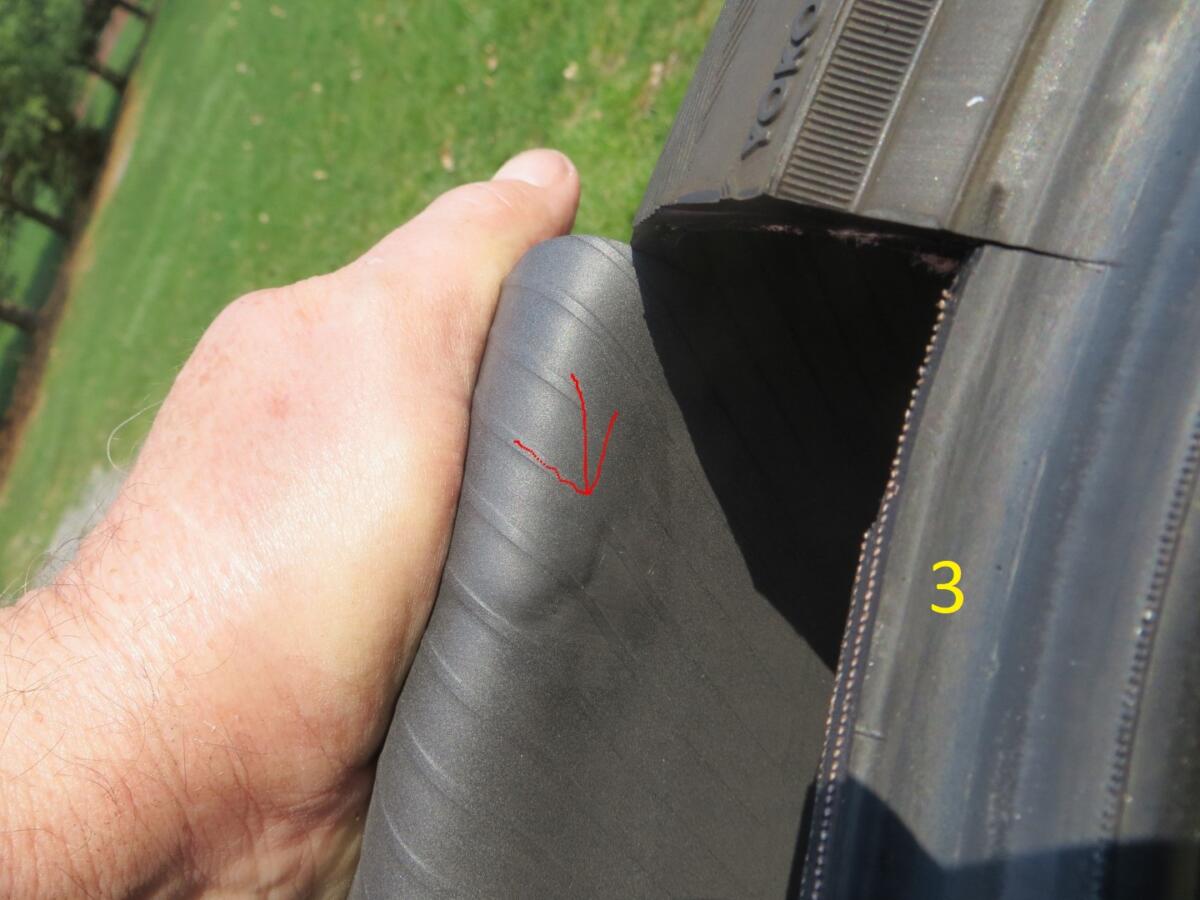
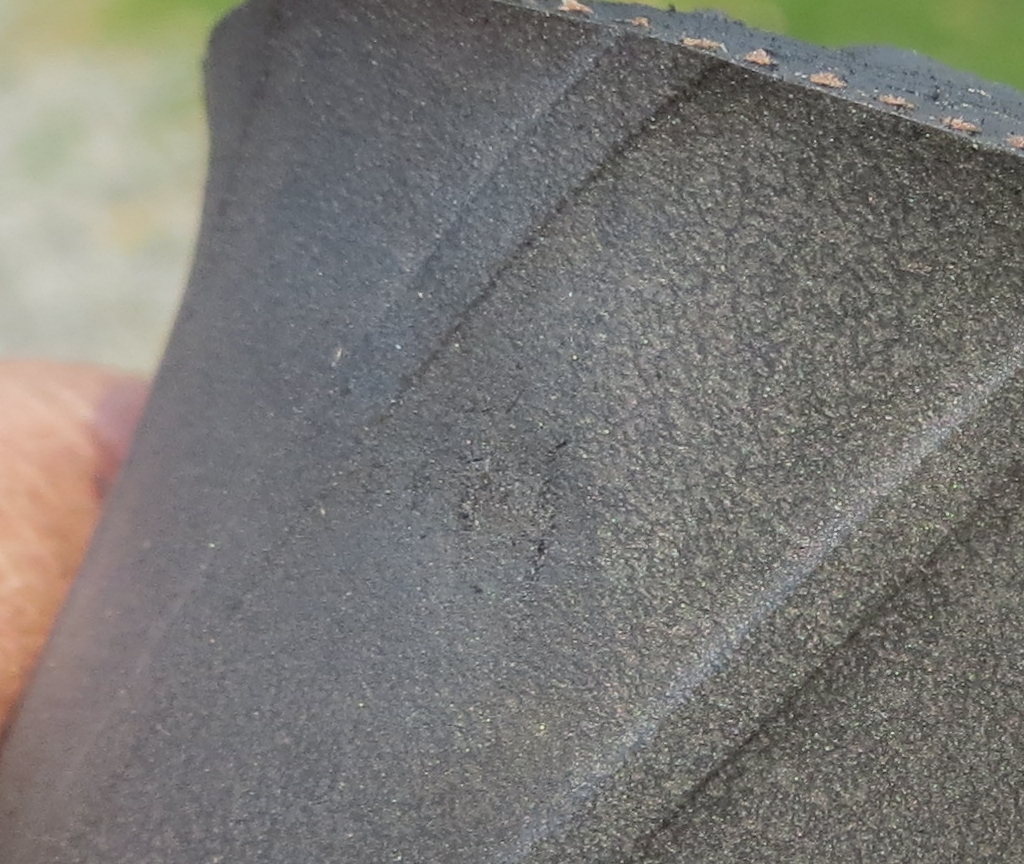
In picture 3 we see the location of interest. If you look closely you will see a short dark line. This is a depression where the interior rubber has been “sucked” into the damaged area of the sidewall.
These cracks would grow and could eventually result in air loss through small cracks in the sidewall.
It is important to consider that the cracks will not grow in just a couple of miles or maybe not even in 100 miles. But if driven long enough, they would most certainly result in an air loss. The driver would have no recollection of ever hitting a bad pothole or road debris. Therefore, in all likelihood they would simply claim that the “blowout” was due to some tire defect.
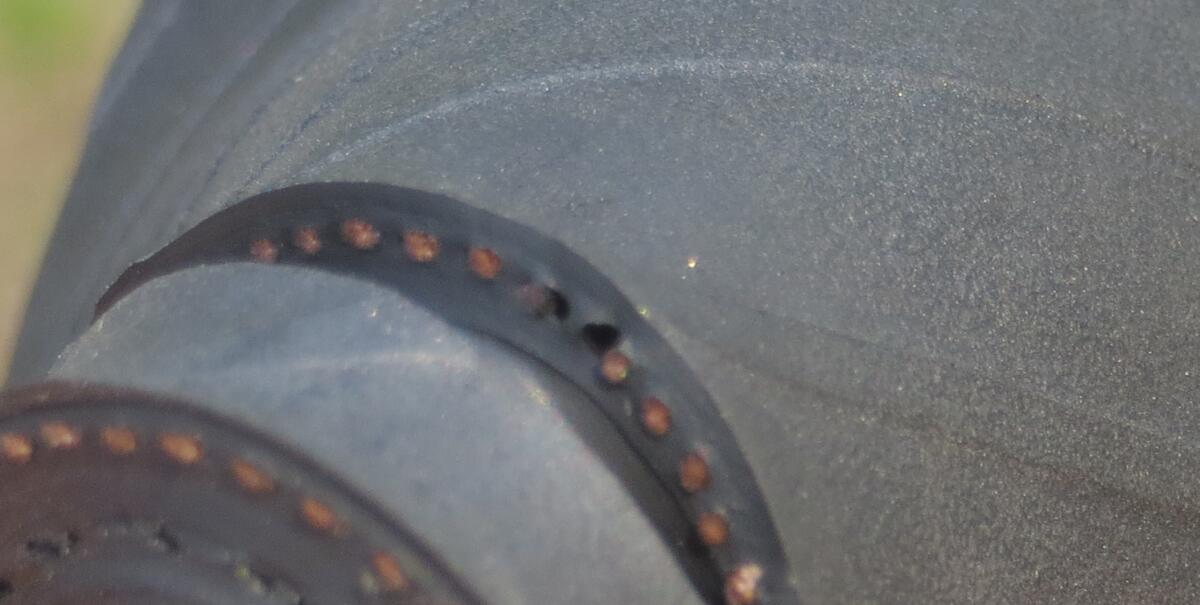
Separation of the body cord from rubber
Finally, we can see the separation of the body cord from the surrounding rubber. It is possible for this type of separation to allow the cords to move independently from the rubber next to the cord and the rubbing can generate heat that, under the right circumstances, could lead to a cord failure.
Again, this could take weeks or months to progress to a loss of air. This is another example of why few drivers connect the effect of a tire losing air to the real cause of suffering a sidewall impact break.
This break was actually quite minor. A more severe impact was covered in THIS post as seen in my RVTireSafety.Net blog.
Roger Marble
RELATED
- Is this a tire ‘defect’ or driver’s fault?
- ‘Defective’ tires: Just what is the ‘defect’?
- People still erroneously blame ‘defective’ tires for ‘blowouts’
- RV Tire Safety: Are your tires ‘defective’?
- Do you think tires ‘magically’ fail? Here are some facts
If you have tire questions, check out Roger’s Blog as well as his posts on RVtravel.com. There are hundreds of posts covering everything to do with tires.
If you still have a question for Roger after searching the above posts, send your inquiries to him using the form below.
RVT1234

…a lot of science goes into inspecting a tire like this which outwardly looked fine or at least minimal concern. As I recall some bulges are fine – nice to know the difference between a long bubble vs a round bubble. Thanks Roger.
Sadly, I wish more people would chime in on this subject. I’ve had a few different types of tire failures on my vehicles since 1984. Everything from a rapid loss of air, to a tread separation, and a belt failure from hitting a tire gator with our RV.
To blame a “Blow-Out” as just a manufacture defect is intellectual dishonestly at best, and ignorance at worst. Tires are an amazing piece of technology, that is unsung and blamed all too frequently. Unfortunately, it is part of the human condition. “I did nothing wrong. It’s the manufacturer’s fault”, or someone else’s fault. It is never something I did (on purpose), or by accident.