


Dear Dave,
Do I have to use an RV cover, or can I use a regular tarp to protect my RV? —Robert, 2016 Coachmen Catalina
Dear Robert,
I get this question quite often, as leaving your rig exposed to the elements can be very damaging—depending on the part of the country you are in. Extreme heat and harmful UV rays in the West and South can cause sealants to dry up and crack, fiberglass to fade and even weather-check, and decals to blister and peel. So, quick answer, use a cover.
I have always recommended either covering your rig during storage or finding an inside location to reduce the effects of the sun and other elements. Here in the Upper Midwest, we don’t get quite as harsh sun conditions, but can still get similar effects. However, what is just as bad, in my opinion, is snow and ice that can penetrate even the smallest crack in sealant or rubber seals.
Snow on RV roof
A cover won’t keep the snow from falling on and staying on a roof. However, it will prevent the melting snow from penetrating through any roof seals. It also will protect the roof material from pooling water that can attract mold and mildew.
Most roofs have a slight crown that will help divert melting snow off the roof. However, it is a good idea, in my opinion, to knock the snow off the roof if there is a heavy snowfall. This is a fairly common practice here not only for RVs but for houses, as well. There are several different “snow rakes” available. Here is one that has a brush and plastic, so it is more forgiving on a cover.

ADCO RV covers
I like the customized covers that you can get from ADCO, which has been providing quality covers for over 30 years. You did not specify the length of your Coachmen Catalina. However, the average 28’ – 31’ travel trailer ADCO cover is only about $250. You can find it on Amazon.
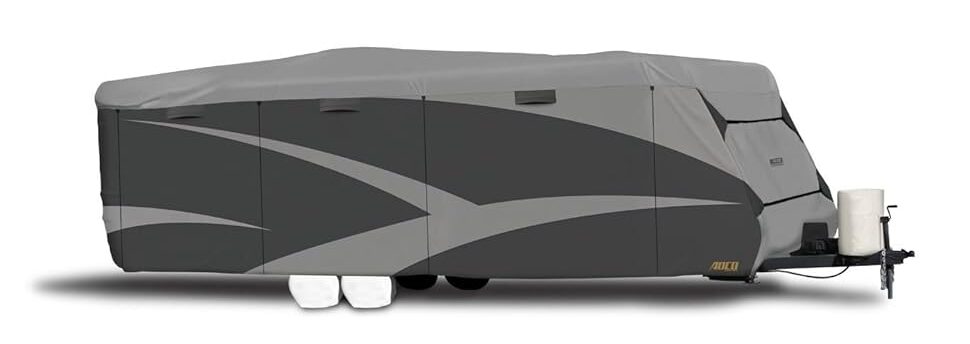
These covers feature sewn-in air vents to allow moisture to escape and reduce condensation. The triple-layer SFS AquaShed top panel is not only durable, but sheds moisture immediately and provides UV protection. What I like most about it is the cinching design and adjustable quick buckles that allow you to draw the cover tight and reduce excess fabric that can flap in wind and damage the finish.
I have found that the traditional square tarp does not cover as well and stay covered. Plus there are no vents and it flaps around all winter.
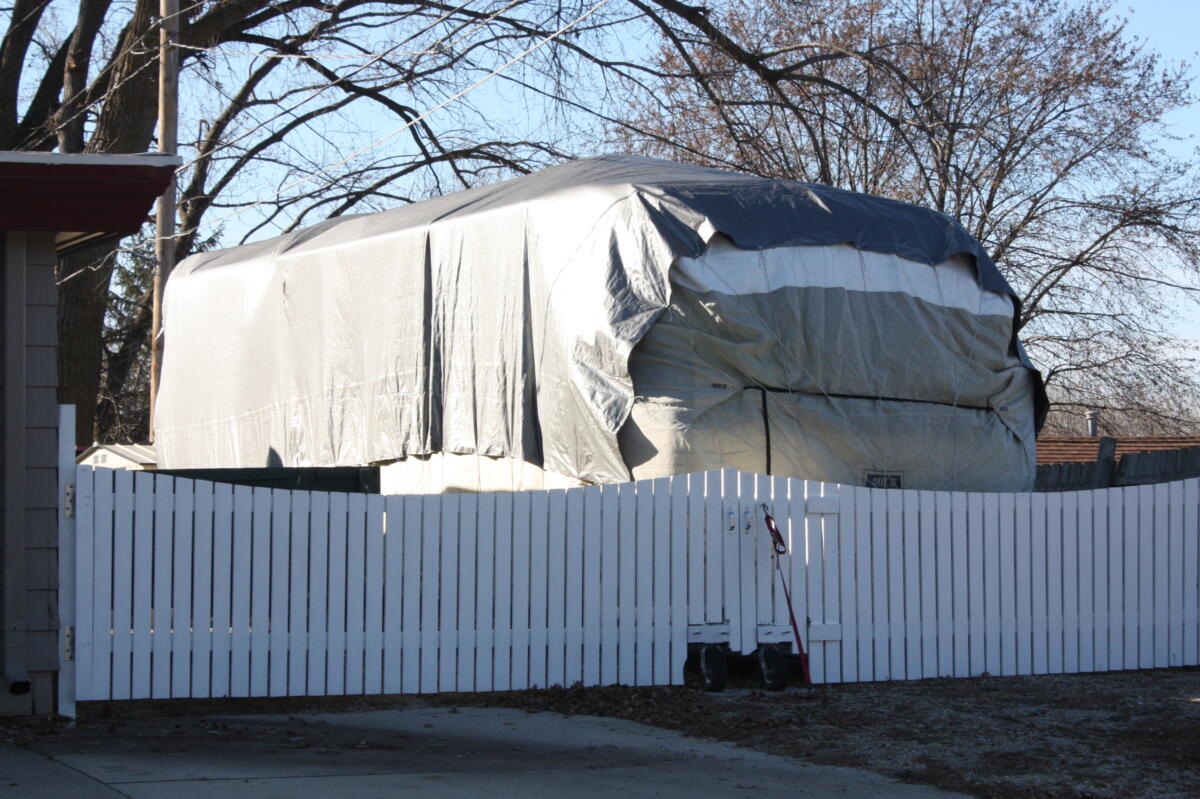
More protection for RV
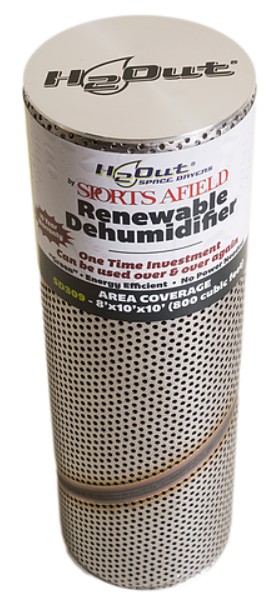
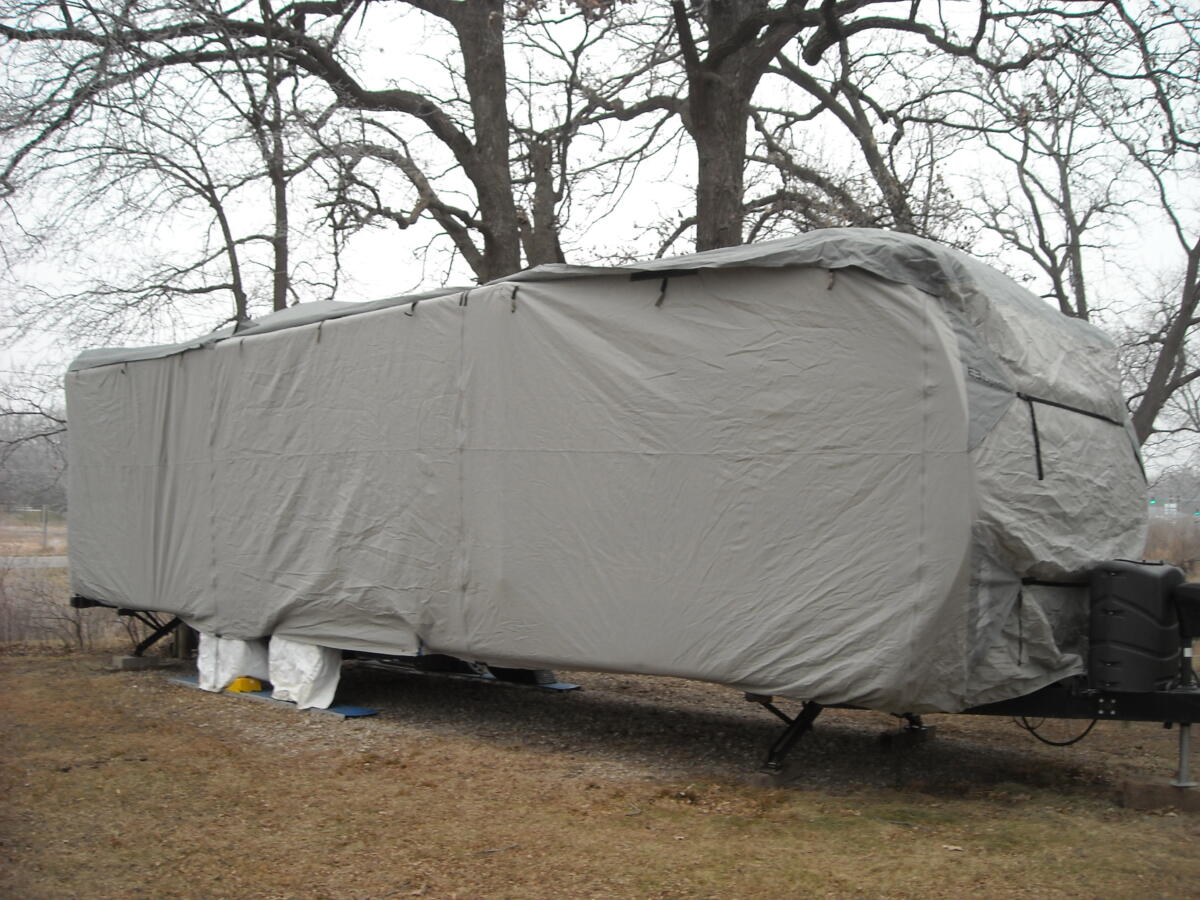
I would suggest covering the tires, as well. And I suggest placing a few dehumidifiers inside, such as DampRid or H2Out.
You might also enjoy this from Dave
Are there covers to protect RV roof vents and skylights from hail?
Dear Dave,
Does anyone make hail protection covers for roof vents and skylights for RVs? —Dave T.
RELATED
- Is it OK to walk on the slideout roof like on the RV roof?
- What is your opinion of RV Roof Magic? Does it work?
- Can you use Flex Seal on an RV roof? If not, then what?
- Is UV protection required on all RV roof materials?
- Which RV roof covering is better, FlexArmor or fiberglass?
- What is the best product to clean RV roof?
Dave Solberg is a leading expert in the RV industry and the author of the “RV Handbook.”
Read more from Dave here.
HAVE A QUESTION FOR DAVE?
Send your inquiries to him using the form below.
##RVDT2597

Thank you for your answer and accompanying discussion, Dave! We are fortunate enough to have a roof over our RV when not in use. We also put the tire covers over the tires if stationary for three or more days. Have a great day and safe travels!
Hi Dave I’m still unsure of the answer to the question? Is it ok to use a typical poly tarp vs a (usually) non woven specific RV type of cover? I’ve been using a large thick black and silver tarp that covers the roof and all sides down to the top of my wheel wells on my RV while it’s in storage. I use bungees to secure and had no problems after a year. I live in southern California so snow is no problem. I find it much easier to install and take off and it’s cost was about a third of the brand you mentioned. But your answer did not answer the question asked which was one type over the other. If you’re going to do a comparison on brands that would also be welcome.
I live where there can be considerable snowfall over the winter. Last year, the cumulative snowpack would have increased the weight of my RV to 150% of its gross vehicle weight. Not good for the springs let alone flirting with structural damage due to all that extra weight.
Every fall I install light wood and PVC frame and tightly strap a plain tarp over it. The steep sides shed the snow so I don’t need use a roof rake or broom to keep the snow off.
For sun protection, once or twice a year I use a UV protective coating on the fiberglass and tires. It goes everywhere, doesn’t scratch the finish and protects summer, winter, traveling, and in storage.