


By Dave Solberg
Chuck, et al.,
Great newsletter, as always! My question is, does anyone make hail protection covers for roof vents and skylights for RVs? —Dave T.
From Dave S.:
This question actually came as a comment from a newsletter. It had a couple of responses from readers:
From Bernie: Maxxair vent covers will protect your roof vents. That’s what has worked for us.
From Bob: Yes, they are much heavier plastic than the vent cover. Plus, they allow you to keep the vent open while traveling or during a rain shower.
David H.: I put the Maxx on my vents on one motorhome. Let me use the vent fans even in the rain. The only downside was that they didn’t let in very much light during the daytime.
Back to Dave S.
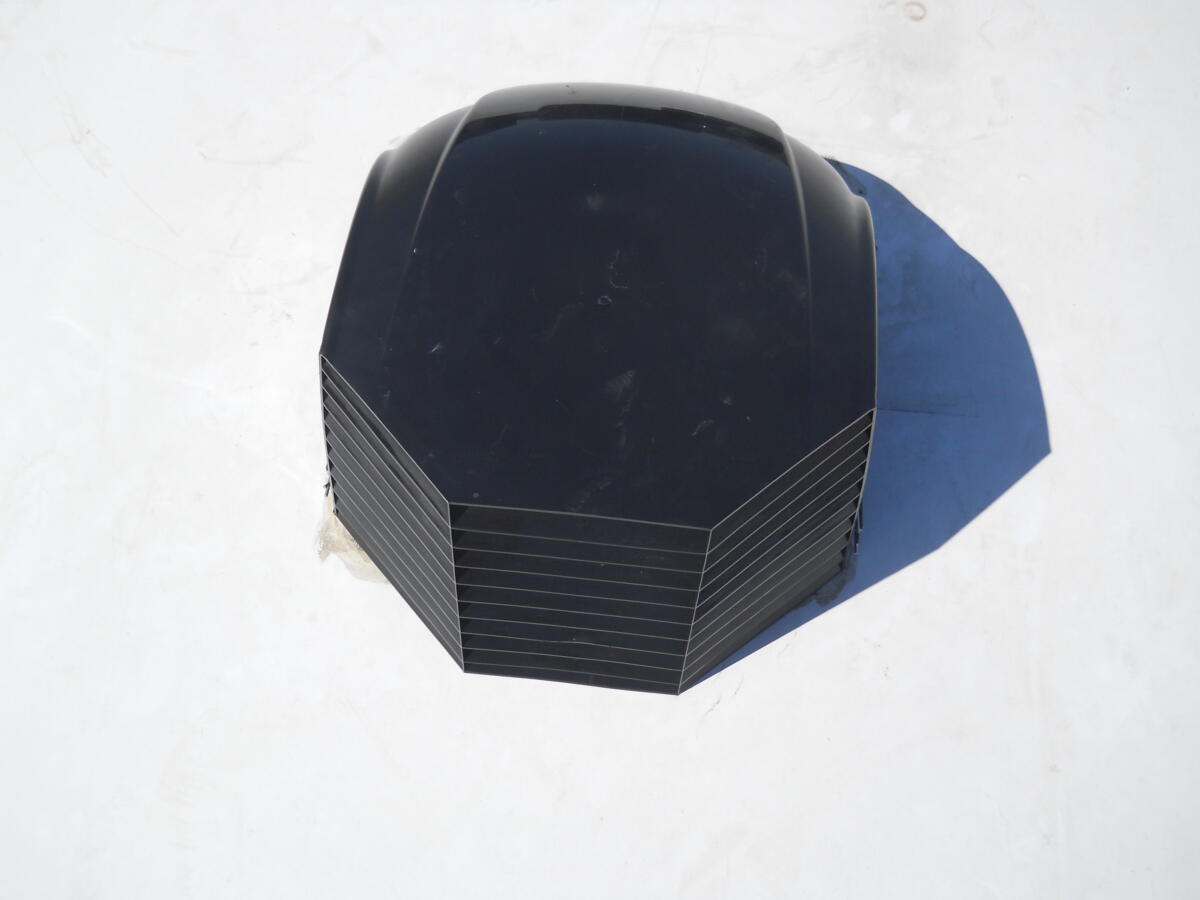
As stated, the Maxxair Roof Vent Cover is an excellent product that covers the traditional 14” x 14” roof vent that you would find in a bathroom and living room. It allows you to keep the roof vent open during rain to bring in fresh air or exhaust warm interior air. It also allows you to keep the vent open and running while driving down the road. I have used it to exhaust air through the roof with a small window open to get great airflow.
Although it does protect the roof vent cover from hail, I don’t think that is the intention as it is made of plastic and will get damaged in a hailstorm just like a roof vent cover.
Here is one we installed on a 2016 Thor Challenger. If there is a hailstorm, a new vent cover is typically around $25 and a new Maxxair Cover is $40-$50.
Skylight covers?
I do not know of any skylight covers. An Amazon search did not come up with any matches, although I found skylight replacements. So I’m pretty sure if you can’t find it on Amazon, it doesn’t exist.🤔 However, as I always say, never say never when it comes to the RV industry.
Skylights are typically installed above a shower to provide additional headroom and ambient lighting, since most showers do not have a light fixture anywhere close. I have seen a few models that had a skylight in the living room or kitchen. However, it is not common, as the skylight cuts a huge opening in the roof with no insulation. Therefore, it’s a hot spot in warm temperatures and a cold spot in the winter.
The challenge I see with a cover for a skylight is the wide variety of shapes and sizes available, which means there is not a standardized size for mass production like the roof vent. And not all RVs have a skylight, so that makes the numbers even smaller.

Preventive maintenance
What I do recommend is to periodically clean and condition the roof vent covers and your skylights. They are made of plastic. When exposed to the harsh rays of the sun, they will develop UV degradation and start to weaken and even develop blistering and spider or hairline cracks. When this happens, it doesn’t take much for the plastic to crack or shatter with a slight impact such as a tree branch or hail.
Cleaning the plastic with a mild detergent and conditioning it with 303 Protectant or other UV protection product will help ensure the original integrity of the plastic and reduce the potential for damage. It is by no means a guaranteed protection from hail. However, I know several owners that have used this procedure and have weathered many storms without damage.
You might also enjoy these posts from Dave
What is the rule of thumb for using RV roof vents?
Dear Dave,
I’m confused about the proper use of my trailer’s roof vents. I just read where it is important to maintain/replace the seals on these to keep in hot or cold air. Also I have read about insulating the roof vents. My question is this: Aren’t these vents supposed to be open when the trailer has people in it for fresh air to breath and to exhaust bad air? Are there any rules of thumb to guide us on how best to ventilate when cooking or using auxiliary propane heaters, etc.? —Ted, 2015 Starcraft
More from Dave:
- Do ‘Tire Saver Ramps’ prolong the life of RV tires?
- Why did the lithium battery explode and flame up?
- Plugged RV’s 30-amp shoreline cord into 50-amp outlet; now RV won’t run
- How long will an RV 12-volt refrigerator run with two batteries?
- Can I tow a fifth wheel with a 1/2-ton pickup?
Dave Solberg is a leading expert in the RV industry and the author of the “RV Handbook.”
Read more from Dave here.
HAVE A QUESTION FOR DAVE?
Send your inquiries to him using the form below.
RVDT2843
The add on roof vent covers may be damaged by a hailstorm.
However, it will protect the original vent cover. A broken cover will allow rain to enter the RV and cause more damage than the cost of a new protective cover.
Toss your step rug over your skylight if you have the chance and tie it down with your clothesline rope or the strap you use to keep your slide toppers from flapping. An inverted tote can take a pretty good beating as well but they’re harder to secure than your rug if the storm includes wind.
Avoid the temptation to park under a tree to allow it to shelter your rig. You’ll get branches mixed in with the hailstones pelting your plastic domes. A tree can destroy your RV with the right gust or lightning strike.
Vent covers are the way to go for the vents as they’re pliable and will bend before breaking.
Thanks for the excellent tips, Vince! Have a great day! 😀 –Diane at RVtravel.com
I mostly agree with Dave Solberg. Vent hoods serve a lot of useful functions. When it comes to major hail, they are sacrificial. While they cost a bit more than the lid under them, they are IMO easier to replace. Plus the lid is still fully functional until the hood can be replaced.
The MaxxAir covers are pretty tough. We have two on our trailer and got caught in a bad hailstorm. Our truck’s hood and roof had to be replaced but they survived just fine, as did our solar panels.
Not quite related, but my better half made quilted inserts for the roof vents. Helps keep the Sun from heating up the RV while you are trying to cool it.
Plus, blocks outside lights from keeping you up at night. 2 quilted 14 x 14 squares and a pool noodle cut to keep the fabric in place.