


Dear Dave,
We bought our Tiger Bengal (pickup truck attached camper) in 2023. It has an air conditioner but we have never tried it out as we prefer not to camp in hot weather. Can we test it via our alternate plug into a 110-volt outlet? —Joyce, Tiger Bengal
Dear Joyce,
The answer is technically, maybe; safely, probably not!
I get this question quite often and it is worth addressing again as many RV owners bring their rigs to their house, plug them into a garage outlet, and start cooling things down for their next RV trip. Most of the time I get the response: “I’m only running the refrigerator.”
When you plug your 30-amp shoreline cord into a typical garage outlet, it most likely is protected by a 20-amp circuit breaker in the breaker box. However, most outlets are “ganged” to other outlets so there may be other appliances such as a refrigerator, air compressor, or others plugged into the same 20-amp circuit.
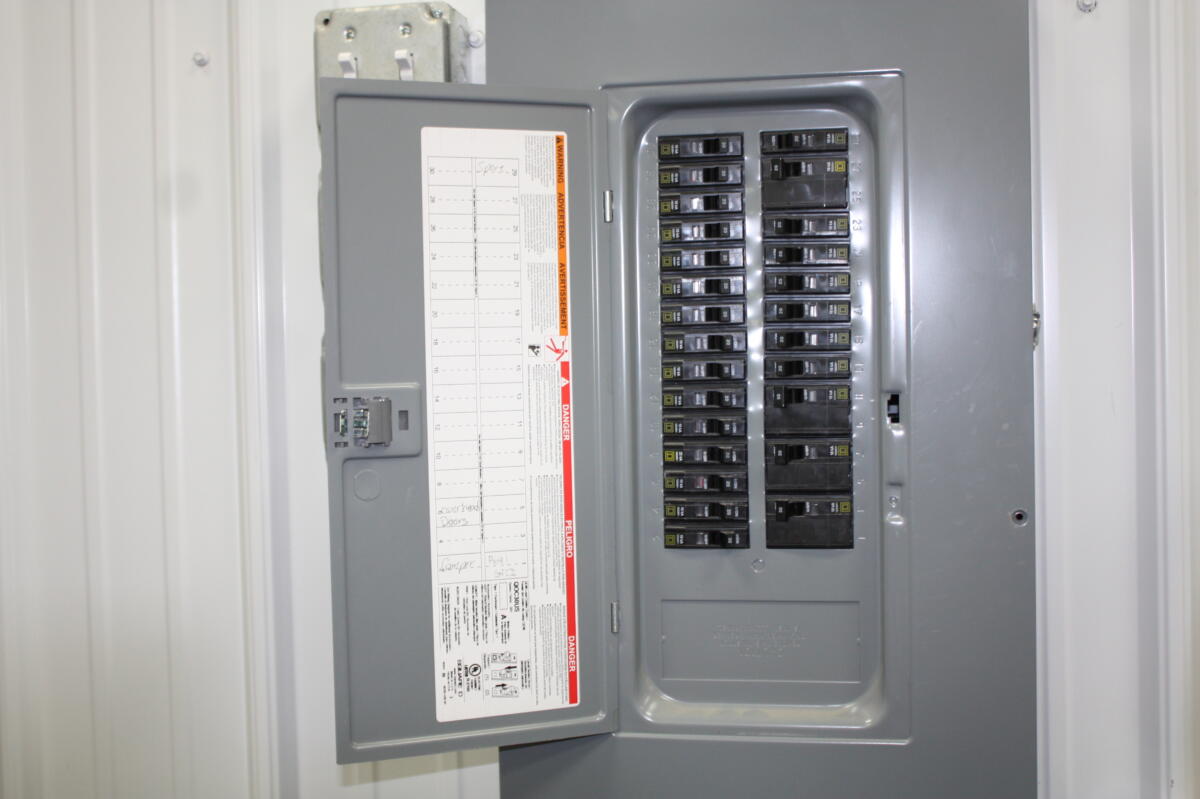
If any of these other appliances starts a cycle while your RV is also cycling an appliance, it would overload the circuit.
What is running in the RV
The other issue is what is really running in your RV. The refrigerator running on 120-volt power will only use about 8 amps, which technically would be fine if nothing else is running in the garage. However, when your shoreline cord is plugged into an outlet, the converter is constantly running, charging your RV’s house battery, and that can draw 6–9 amps, depending on the size. This would still be OK if nothing else is running, but it puts it dangerously close.
Now, let’s look at the RV roof air conditioner. Since your rig is a smaller truck camper, I would assume the roof air conditioner is a smaller one that is most likely 13.5 BTU or maybe even smaller. You did not provide information on how the unit is wired, so I will assume it gets 120-volt power through the distribution center and the shoreline cord? Some of the smaller pop-up trailers have a dedicated 120-volt power cord coming directly off the roof air.
Large initial amp draw from air conditioner
When your air conditioner starts up, or cycles, it has a very large initial amp draw with some spiking as high as 45 amps, then settling down to 10–14 amps. This initial startup is very quick, only a second or two, but can be enough to trip the breaker. So, we need to look at all the variables and add up what might be running at any given time.
A converter runs all the time at 6-9 amps, refrigerator at 6-9 amps, and then the roof air spiking at 45 amps will definitely not be a good thing. If you install a SoftStartUp at the outlet, it will reduce the initial high amp draw and gradually bring the unit up to operating amp draw. However, the converter + refrigerator + RV roof air conditioner even at normal running amps is too much for a 20-amp breaker.
My recommendation
I am not familiar with the “alternative plug” you are referring to. However, my recommendation would be to have a dedicated 20-amp outlet and 30-amp preferably, shut off the circuit breaker for the converter and refrigerator in the distribution center, and use a SoftStartUp at the outlet or install one in the roof air unit. Make sure your brand is compatible with the SoftStartUp and does not have an automatic transfer switch or the Coleman model without a start capacitor. We have had two houses catch fire in my hometown due to RVs parked in the driveway and drawing too much power. One we believe was due to a cheap orange extension cord used.
I have also talked with several owners that park their rig in the driveway and plug in all the time without any issue; I would say they are lucky. I would rather be safe than sorry and not known as that guy in town that burned up the neighborhood!
You might also enjoy this from Dave
What SoftStartUSA product will work on my travel trailer?
Dear Dave,
I have two questions: What soft start device would you recommend for this camper? How can we make the A/C unit quieter? Thank you. —Ray, 2019 Wolf Pup 16FQ
Dave Solberg is a leading expert in the RV industry and the author of the “RV Handbook.”
Read more from Dave here.
HAVE A QUESTION FOR DAVE?
Send your inquiries to him using the form below.
##RVDT2435

I plug our 30A camper in at the house all the time. BUT the 20A house circuit is dedicated to just that GFCI protected outdoor outlet and I use a 10 gauge contractor’s extension cord between that outlet and the camper. I can run anything in the camper, but I am smart enough to not try to run everything in the camper.
We have mooch parked at relatives’ homes and plugged in. Again, careful about what gets turned on and I add a 20A under/over voltage and surge protection device.
It is easy to install a 30 amp RV receptacle for an RV if you have any knowledge at all of electrical wiring…following the National Electric Code. If you can’t do the job then hire a qualified electrician to do it. Running a chintzy power cord to any RV is asking for a problem no one needs.Better safe than sorry.
Thank you, Dave! 🙂 Very helpful information. I learned something vaguely along these lines recently. We had our annual service done on the engine, generator, and chassis recently. The shop has 50-amp.plugs in the parking lot and a few of the bays inside. Unfortunately, our rig overnighted in a bay with only 20-amp service. Using a dog bone (50-to-30) and a converter plug (30-to-20) I connected our rig to power. Because the salesman switch was off, the power management was able to charge the house batteries. Previously, 20-amp seemed useless for charging the house batteries. So glad to learn how to strategically use the salesman switch! 🙂 Thanks again, have a great day, safe travels, …
… and safe stays! 🙂
All Joyce asks is if they can TEST their AC…not leave it plugged in for an extended period. I think all the advice given is valid and even for a test it is good to ensure nothing else is running on that circuit.
I’d say that if it’s a 20 amp circuit and they have everything else off, as Dave describes, go ahead and TEST the AC for a 5 or 10 minute run. A test just to see that it turns on and blows cold air shouldn’t take long.