

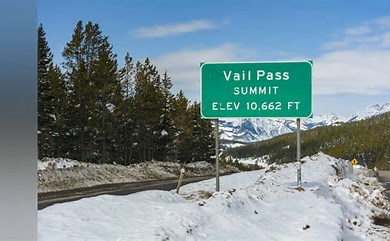
The Colorado Department of Transportation (CDOT) recently installed an electronic closure system on I-70 through Vail Pass. The system enables operational staff to close (or reopen) stretches of highway remotely.
CDOT says the new tech’s capability can shave roughly 30–45 minutes off the old process of physically getting people to closure points. This matters a lot when bad weather hits or avalanches are possible.
Details
The upgrades are part of CDOT’s work on the I-70 West Vail Pass corridor. This section roughly covers Mile Points 180–190, from East Vail up to the Vail Pass rest area and summit.
That stretch of I-70 has steep grades, tight curves, and a lot of mixed traffic (e.g., cars, trucks, and RVs). Closures for snow, avalanches, rockfall, or major incidents previously required crews or troopers to physically block the road. This time-consuming process could strand large vehicles. The new remote system speeds up those decisions and the messaging to drivers.
How it works
The technology ties into CDOT’s traffic management network. Now operators can change messages on variable message signs (VMS), flip lane-use signs to show red Xs on lanes that are closed, and activate enforceable variable speed limits where those are deployed.
The LED electronic displays are connected to CDOT’s operations center so they can be triggered simultaneously. Motorists get the same, consistent instruction before they hit the closed segment. Think of it like a remote traffic control room that updates the road in real time.
What to do
When you see a lane-use sign showing a red X, or a VMS telling you the interstate is closed, that’s an official closure. CDOT has determined that driving into the closed segment is both dangerous and ticketable, similar to running a red light. CDOT emphasized that drivers who ignore closure signals can be cited.
For RV drivers, that’s especially important because large rigs take longer to stop, turn around, or pull off, and an improperly positioned RV can create a major traffic incident.
How this helps
Faster closures and clearer messaging reduce the chance that travelers will continue into hazardous zones. This new technology will help emergency crews clear incidents more efficiently and help reopen the highway sooner. That reduces the likelihood of hour-long or multi-hour backups that are especially painful for big rigs and rigs towing trailers.
How to plan
Sign up for real-time alerts. CDOT is promoting text alerts and other push updates for the West Vail Pass project area. Just text vailpass to 21000 for project day-of alerts. You can also use the COtrip map and CDOT’s travel pages for current conditions.
Live CDOT cameras for I-70 around Vail are useful for checking conditions visually before you start out. If you rely on an RV GPS, remember it won’t override an active closure. You must follow the signs and the highway instructions.
To read more recent news for RVers, click here.

Great heads up/ be aware of information Gail! .Thanks for providing it.
Thank you for the news, Gail! Glad that CDOT has upgraded its ability to close roads more nearly when they become dangerous. Surely this gets applied elsewhere, or is it too expensive relative to the potential danger of other Colorado roads? Have a great weekend and safe travels!
I have taken multiple trips over Vail Pass this summer in both directions, including taking the motorhome over it last Tuesday. I have been in miles-long, stop-and-go traffic jams from lane closures in each direction due to the construction projects on the west side of the pass. Some of those project may be completed this fall, like the warning system and the reopening of the pass-top rest area that has been closed for years. But the Nov.1 closure of the heavy construction season is rapidly approaching, with the Vail and Copper Mountain ski areas, located at the west and east end of the pass, set to open before Thanksgiving.