


By Nanci Dixon
The first time I used foam gap filler we were covering a few holes in our old RV. The foam expanded a lot, amazingly, all over the holes and all over my hands. Pretty soon my hands were covered and firmly stuck together. Think: super glue on steroids! I couldn’t get it off so I couldn’t drive. I had to walk to the hardware store to buy whatever would cut it. After the store staff quit laughing, they kindly sponged it off. So, lesson learned: Wear gloves.
The foam gap filler made by Great Stuff is a great tool for filling small and large holes and is particularly useful for the RVer. Unfortunately, we need to use it a lot to fill the cracks and holes that mice in the desert always seem to find.
It expands and quickly dries. It dries so quickly that it is difficult to clean the nozzle and tube enough to allow reuse. An old-fashioned pipe cleaner works great! The nozzle comes apart for cleaning and a pipe cleaner can even whisk out the foam filler from the tip of the can.
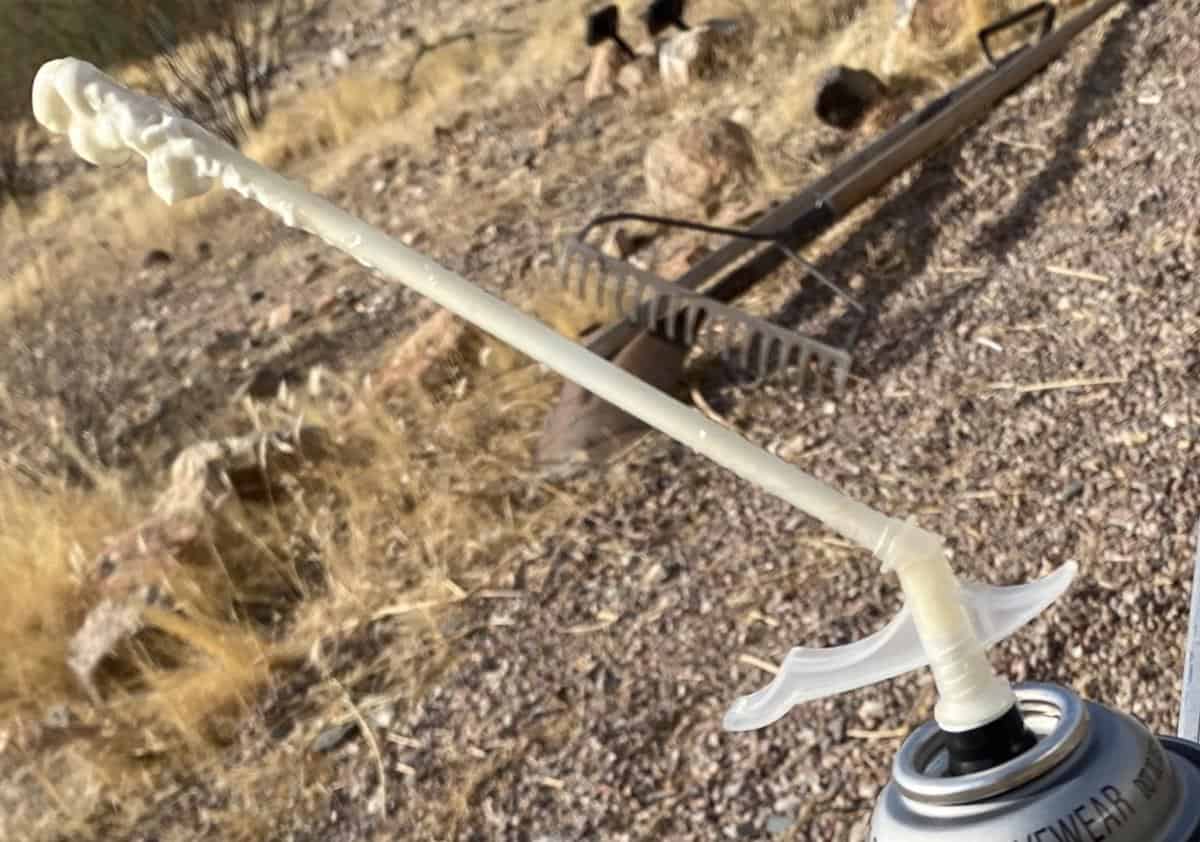
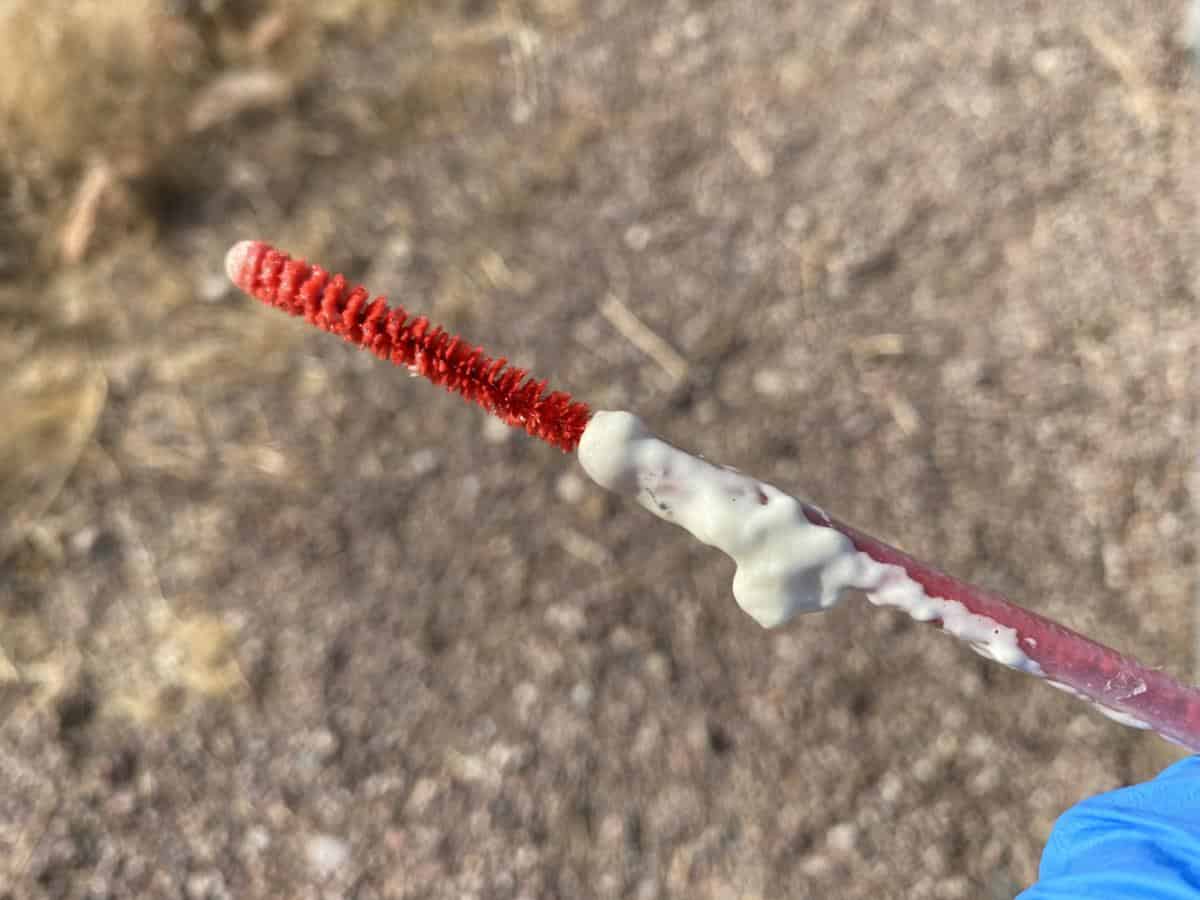
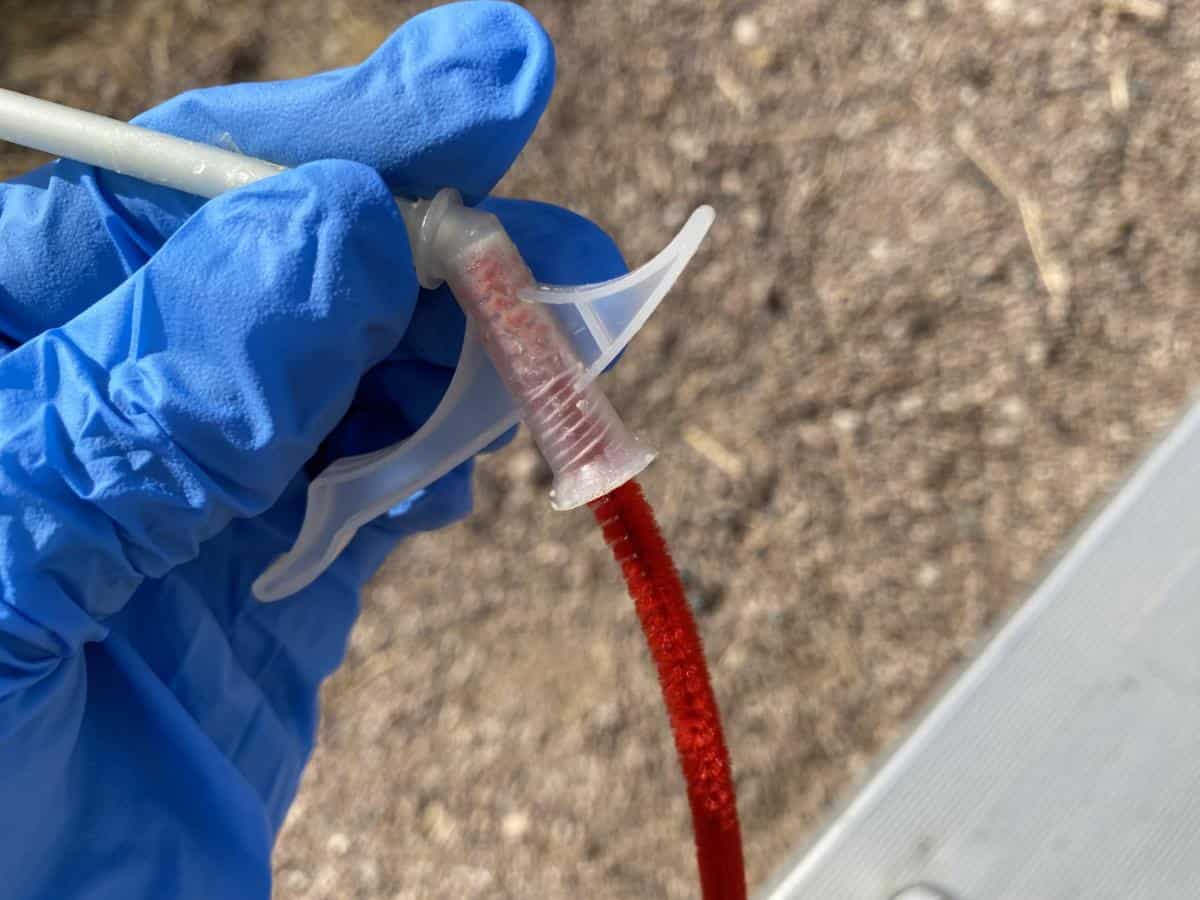
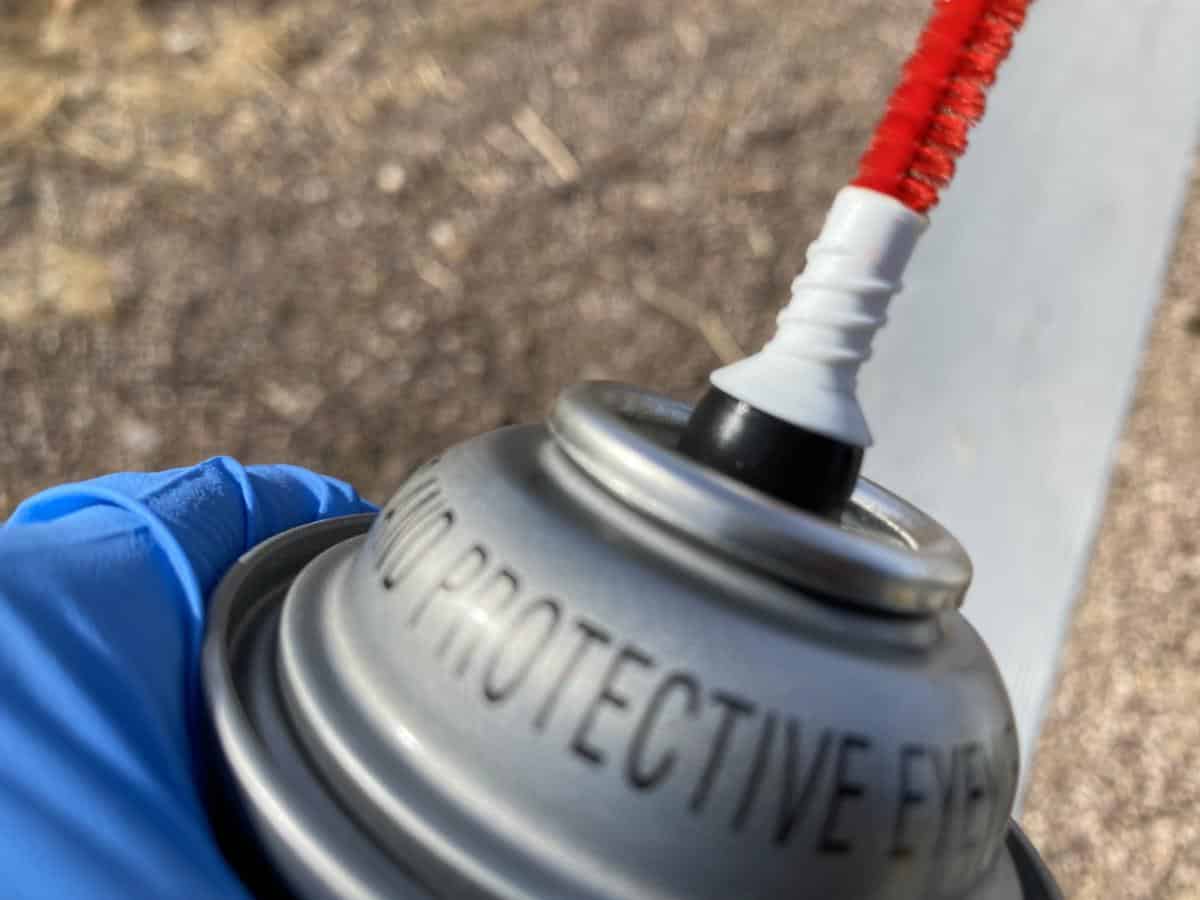
Tape the tube to the can, and it’s all ready for the next use!
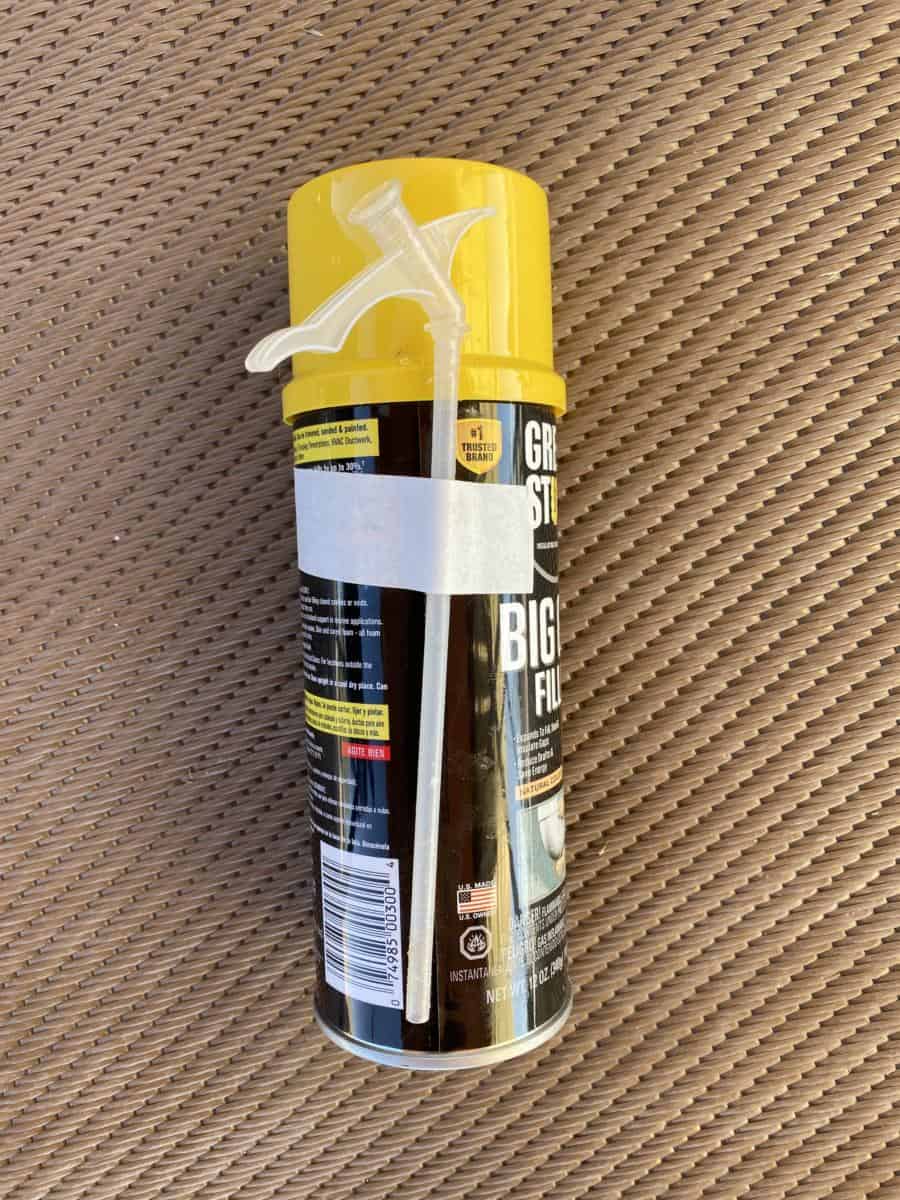
Keep a can of this in your RV. It’ll come in handy more often than you think. Find it here for a great price.
MORE DIY MAINTENANCE AND REPAIR TOOLS AND GADGETS:
- 15 must-have outdoor RV gear accessories
- Add a MORryde sliding cargo tray to your RV’s basement storage
- Bluetti’s new RVSolar system can power your RV in just 30 minutes
- New and improved Dump Buddy is a must-have gadget for RV dumping
- The best socket set for RVs—ALWAYS carry one in truck or trailer!
RVDT2767
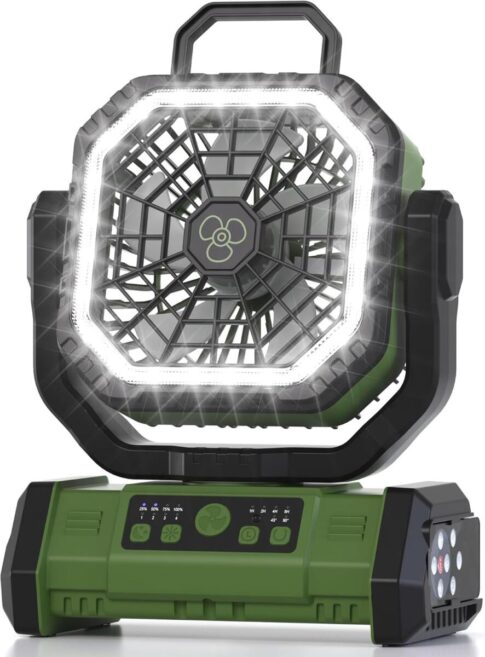
Get the Pest Block foam! It has properties in the expansion foam that pests don’t like.
The biggest problem is getting used to using the foam. It doesn’t take much to fill a gap. Most people try to fill the gap until the foam starts to come out. Not necessary!
The foam will expand exponentially.
One other thing I do with gaps and holes to prevent rodents is to put 1/4 inch hardware cloth around the hole first.
To prevent the foam from sticking to places around the gap, use painters tape to protect the area. Once cured, you can cut the excess foam and remove the tape.
Discovered last spring (guess how), if your slide room uses the rack & gear mechanism, those steel beams go through your frame into the (usually) covered underbelly. Once rodents get into the underbelly they will find holes much too large to simply block with foam. You have to block the frame holes with a ‘wiper’ type of material. I found that I could use adhesive metal mesh drywall patches (cut as needed with scissors) to allow the slide mechanism to still operate but cover the gaps. I used additional silicon sealant over the mesh where it is adhered to the frame for additional support as the mesh adhesive isn’t all that strong.
Any hole bigger than a dime can fit a mouse. The average RV has 15.3 dime sized holes left open from the factory. Your job as an RV owner is to find and fill them all. Strangely, the number seems the same for used units as well!
Thanks for the suggestions regarding cleaning out the dispenser tube. I’ve always had to throw out the partially used can. Never got a second use.
I’ve used this to fill in the area between the brake lite assy boxes and the back cap. It kept the mice out for 3 years, but they are now chewing thru it and setting up camp and eating the tail/BU/brake lite wiring! Thinking I will re-foam but incorporate steel wool with the expanding foam. Thinking the wool won’t rust if encased in foam? (PS: I will wear gloves – been there without – so done that too!)
Believe it or not, but the mice will chew through the steel wool. All they need to do is make a hole the size of your little finger.
The hardware cloth stops them in their tracks.
Using low-expanding foam eliminates most of the issues with controlling the application. It’s also relatively dense, which is what you need for sealing RV gaps (along with steel or bronze wool).
Acetone dissolves the foam, so you can use it both for cleaning excess foam from surfaces and cleaning the applicator parts.