

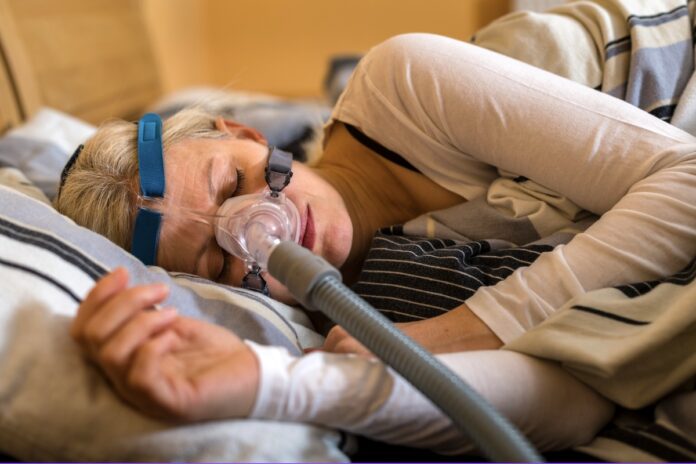
Millions of Americans have obstructive sleep apnea, including many RVtravel.com readers who rely on CPAP machines for a good night’s sleep. Now, new research from the University of Washington suggests the condition’s impact on the heart may be greatest during the daytime rather than while people are asleep.
The findings could change how doctors monitor and treat atrial fibrillation, an irregular heartbeat that increases the risk of stroke and heart failure.
Sleep apnea causes repeated pauses in breathing that last at least 10 seconds, lowering oxygen levels, raising blood pressure and disrupting sleep. Over time, people with the condition are two to five times more likely to develop an irregular heartbeat, particularly atrial fibrillation.
Atrial fibrillation
The UW study followed 150 people with atrial fibrillation. Researchers measured heart rate variability—a marker of heart health—before and after treating sleep apnea with continuous positive airway pressure (CPAP) therapy. They expected the biggest changes to occur during sleep, but instead found abnormal heart rhythms were more pronounced while patients were awake. Researchers believe the heart’s stress may build overnight and become more evident during daytime activity.
After using a CPAP machine, patients’ sleep apnea improved. Overall, heart rate variability became more normal. Thus, treating sleep apnea might be an important component of atrial fibrillation care.
These findings could change how doctors diagnose and treat atrial fibrillation. Daytime monitoring might be important for these patients, and medications for atrial fibrillation might work better if they’re timed to be most effective during daytime hours.
Researchers say the findings could lead to more daytime heart monitoring and better-timed treatments for people living with both sleep apnea and atrial fibrillation. A larger clinical trial is now underway.
RELATED
- CPAP placement tips for RVers
- Can I use my CPAP machine when I boondock? Yes, here’s how
- Easy, inexpensive, and practical bedside RV CPAP stand!
RVT1269b

I have sleep apnea, diagnosed in 2011. Back then it took FOUR months of testing and appointments before I was able to get my CPAP machine. Before the machine I thought I could easily fall asleep driving and kill someone.
Now that I’m on Medicare, I needed another sleep study to verify my sleep apnea. So far it has been 2 months and I still don’t have my new CPAP machine. I hear warnings about how dangerous sleep apnea can be but, but the insurance company and healthcare professionals sure take their time getting the paperwork together before treatment can begin.
If I had the money I would buy the machine myself and bypass the insurance headache.