

By Dustin Simpson
Traveling in an RV often means dealing with constant vibrations and movements that can cause parts to loosen over time. It’s much like experiencing a mini-earthquake on the road. To ensure everything stays secure, here are some tips and recommendations for using Loctite products and other strategies for keeping things together.
Loctite Threadlocker Blue 242 and Red 271 are popular products used to secure and seal threaded fasteners in various applications, including RV maintenance and repairs.

How to use each type of Loctite:
Loctite Threadlocker Blue 242 (medium strength):
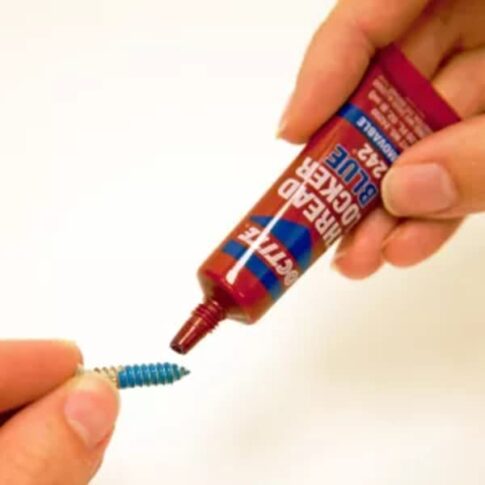
Applications: Loctite Threadlocker Blue is designed for applications where you want to prevent fasteners from loosening due to vibration but still allow for disassembly with standard hand tools.
Usage in RVs: Use Loctite Threadlocker Blue on threaded fasteners in your RV’s interior and exterior components, such as door hinges, cabinet hardware, and accessory mounts. It helps keep these fasteners securely in place while allowing for easy removal when needed.
Application: Clean the threaded fastener and surrounding area to remove any dirt, grease, or oil. Apply a small amount of the Loctite Blue to the threads. Tighten the fastener to the recommended torque specification. Allow the Threadlocker to cure according to the manufacturer’s instructions before subjecting the fastener to any loads or vibrations.
Loctite Threadlocker Red 271 (high strength):

Applications: Loctite Threadlocker Red is a high-strength adhesive designed to permanently lock and seal threaded fasteners. It’s ideal for applications where you don’t expect to remove the fastener in the future.
Usage in RVs: Use Loctite Red on critical fasteners in your RV’s chassis, suspension components, and other high-stress areas. It helps prevent these fasteners from loosening due to constant vibrations and road conditions.
Application: Clean the threaded fastener and surrounding area to remove any dirt, grease, or oil. Apply a small amount of Loctite Red to the threads. Tighten the fastener to the recommended torque specification. Allow the Threadlocker to cure according to the manufacturer’s instructions. Note that Loctite Threadlocker Red creates a permanent bond, so make sure you don’t apply it to fasteners that you may need to remove later.
Using Loctite around your RV
Safety tips: Always read and follow the manufacturer’s instructions and safety guidelines when using Loctite Threadlocker products. Ensure adequate ventilation when applying Threadlocker to avoid inhaling fumes. Wear gloves and eye protection to protect your skin and eyes from contact with the product.
Using Loctite Threadlocker Blue or Red appropriately can help you maintain the integrity of your RV’s fasteners. It will prevent potential issues caused by fasteners loosening over time. Whether you choose Blue for removable applications or Red for permanent locking, make sure to select the right product based on your specific needs and the type of fastener you’re securing.
Using Loctite and other securing methods can significantly reduce the hassle of dealing with loose parts and fixtures in an RV. By proactively securing items and performing regular maintenance, you can ensure a smoother, safer, and more enjoyable travel experience.
More from Dustin
Make sure you check out my website, California RV Specialists, and our YouTube channel for more helpful information, and see our published articles on RVtravel.com and other social media pages.
MORE LIKE THIS:
- Drain valve lubricant explained: What it’s used for and why
- Duct tape: The incredible universal fixer and 16 ways to use it
- Tank Blaster to the rescue—It really works!
- Every tool that should be in your RV’s toolbox and why
RVT1229

I would be concerned using ‘RED’ on suspension parts. Eventually these parts will need to be removed. Locknuts and ‘BLUE’ would be a better solution. The only way to remove parts with red locktite is to heat the affected parts with a torch.
More damage may result.
PS: Plus normal preventive medicine will eliminate most problems.
How often do most people check the torque on lugnuts? Loosen and re-torque!
It’s important to point out that Loctite products are meant for metal-to-metal connections, so don’t use them on screws that are going into wood or plastic. In fact, 242 will damage some plastics. Additionally, these are anaerobic products that only cure in the absence of air, so they can’t be used like glues. However, used correctly, they are extremely useful products.
I’ve used the two products mentioned and several others for decades and I’ve never experienced any “fumes” from them, except when heating a part to break the bond of permanent products like 271. While you should avoid getting them on your skin, if you wipe it off, then wash your hands when you’re done, it’s not an issue.
There’s also a low-strength formula, 222 – pink/purple (you be the judge), that’s handy for very small screws and those that will be disassembled frequently.
Most thread lockers will damage ABS and PVC. Also, a lot of other plastics contain some of these materials.
I ride a motorcycle and have read horror stories about people using loctite to hold screws in plastic parts, only to find out later that it destroyed the plastic beyond repair.
I’ve seen it damage polycarbonate lenses in glasses, too.