


Dear Dave,
How can we be absolutely sure that the ball is securely locked in the hitch? We just had an incident where the ball went on and the locking mechanism indicated it was locked in, but it popped out shortly after we got on the road. Can you grease the ball and hitch too much that would cause it to uncouple? —Teri, 2005 Fleetwood Pop-up
Dear Teri,
I’ll address your second question first. I do not believe you should “grease” the ball. I also do not believe excess grease would cause the hitch to “pop” off.
Greasing the ball on a receiver hitch has been a topic that has been covered many times and you will find a 50/50 split on opinions. Here are the pros and cons that I have found.
Pros of greasing trailer hitch ball
Lubricating the ball with grease provides a film between the chrome finish on a ball and the powder-coated steel of the hitch which will get pitted and flake off the paint which will cause rust. The grease will reduce the rust spots from gouging or scratching the ball and provide a better connection with less friction or resistance, and reduce noise and ball failure.
Greasing the ball will reduce heat buildup at the connection point similar to wheel bearings and make the components last longer.
Cons of greasing trailer hitch ball
Grease is messy. It collects dirt, dust, and other abrasive components that can cause even more deterioration. And did I mention MESSY? It’s not that you can’t use grease or lithium grease or any other “paste”-type lubricant; however, there are better alternatives.
Gail Marsh did an article about this two years ago and had an alternative that I had not thought about for 50 years! You can read the article here.
 Someone suggested waxed paper folded four times and placed between the ball and the hitch. WOW! We used wax paper on the metal slides when I was 10 years old at the city park to go faster and wipe out at the bottom.
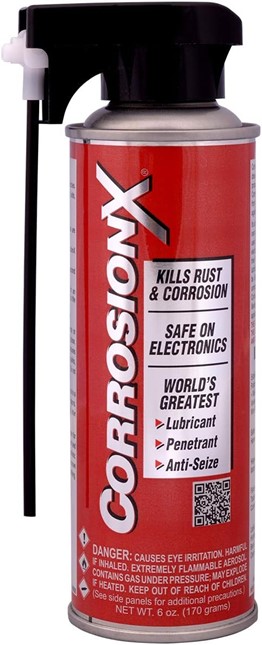
In my opinion, it is better to spray the ball and the coupler periodically with something like Corrosion X, which is a lubricant and rust inhibitor and not as messy. You can find it on Amazon here.
I doubt even greasing it in excess would cause it to slip out, as the lower metal plate called the under jaw is pulled upward when the latch is pushed down. If the nut is adjusted properly and the spring is good, the under jaw will be tight against the lower portion of the ball and the opening is too small for the ball to come out.

Ensuring that ball is locked in hitch
So, let’s look at the first part of your question: “How can we be absolutely sure that the ball is securely locked in the hitch?” There are a few different types of hitches used on smaller trailers. There is one with what I call a lever latch, such as the diagram above, and one with a sliding mechanism commonly called a Fast Lock.
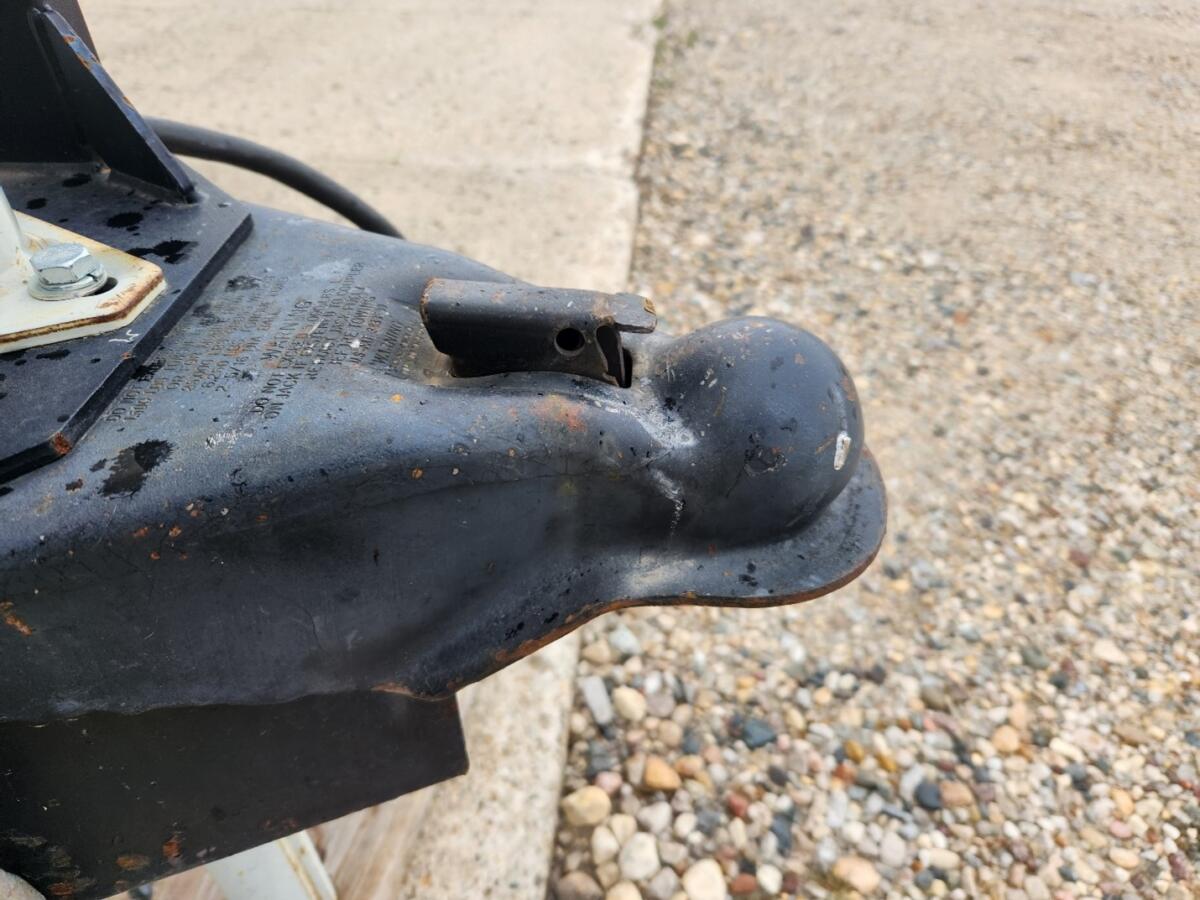
This model also has an under jaw that is spring loaded and designed to go under the bottom side of the ball. This is the coupler that is on the 1996 Forest River Salem we have been working on for RV Lifestyle and Repair Club. I find it to be very difficult to connect and very deceiving, as you have found!
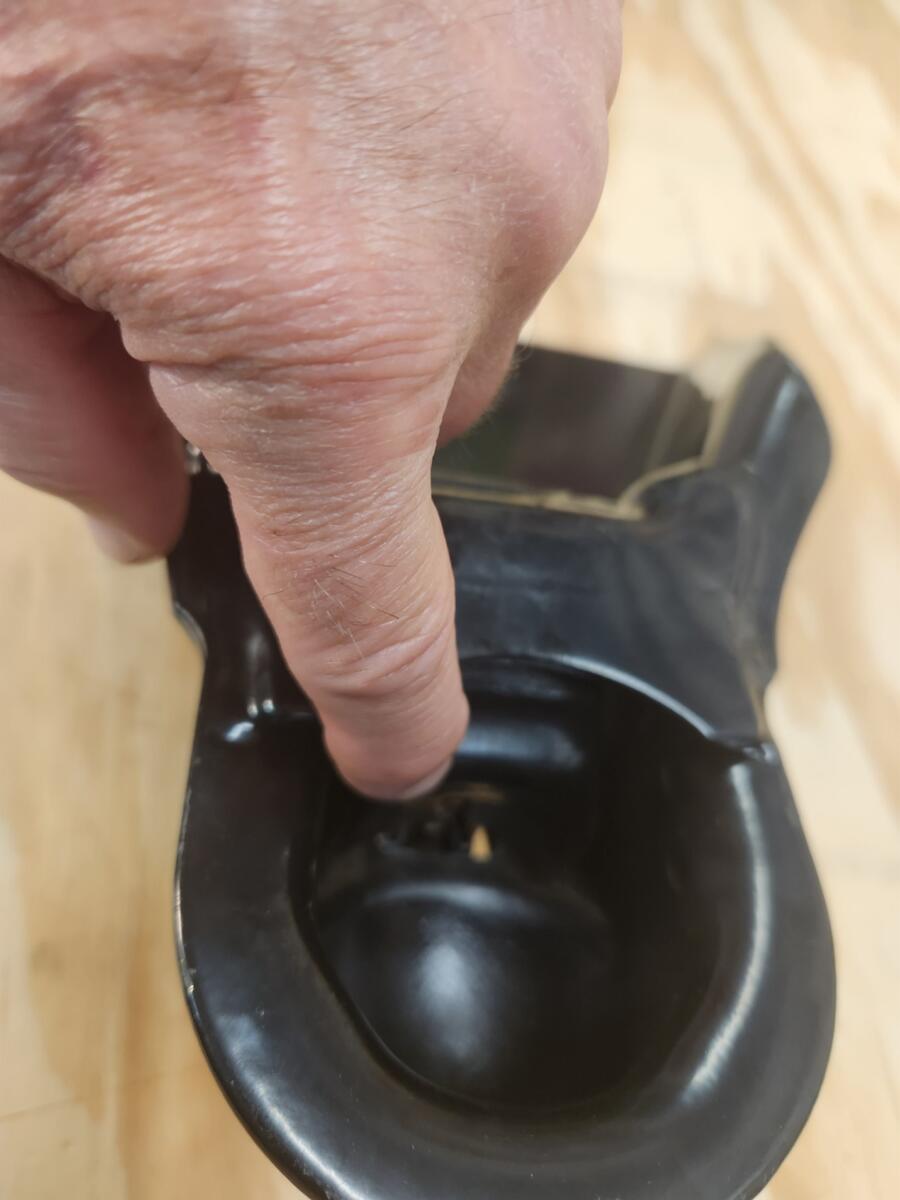
When hooking up the trailer, it is designed to pull the mechanism up and back, which pulls the under jaw back. Sometimes the mechanism stays in place when lowering the unit, but not always. It seems I have to keep one hand on the tab pulling back and the other working the manual jack. This coupler has a much more robust under jaw, which is why it has a higher towing rating. Here is a photo of one that I bought for use in video demos.
It may look connected, but may not be
As you might be able to see, it is a full sleeve rather than a metal plate, so it covers more of the underside of the ball. The problem that I have had with this type of coupler is just as you alluded to. It looks to be connected and the mechanism moved back to the engaged position, but it was not connected.
I drove up to pick this unit up after the interior was renovated, connected it to my receiver hitch, hooked up the safety chains and cables and did my normal check to verify it was connected—which is grab the tongue and pull up and down. When I got home and went to disconnect the trailer, I put down the blocking board and started to raise the trailer. Typically, the weight of the trailer tongue will not allow you to pull back the mechanism, so I raise it up slightly before removing the safety pin. However, the coupler came off the ball! Luckily, the tongue weight of the trailer kept the unit connected, as I was not completely down on the ball with the under jaw connected properly! It was an eye-opening moment and a lesson on not taking things for granted!
So, how do you check or verify the towed vehicle is properly connected? My recommendation is to connect everything according to your departure checklist, remove the wheel chocks and lift the front tongue jack slightly off the ground. Make sure all the safety chains and safety cables are connected. Then lower the front tongue jack to the ground and lift it up to see if it is connected, which should raise the rear of your tow vehicle. Another check would be to drive forward a few feet and then back to let things “settle” and then do a lift test again.
You might also enjoy this from Dave
Should a hitch ball be greased or not?
Dear Dave,
I’m replacing my 2” ball and ball arm for my 5-year-old 3500-pound camper. I would like to know your opinion of the question “to grease or not to grease” a hitch ball. I started out greasing the ball and got it on myself half the time. After a year or so I stopped greasing it. It’s not really too badly scarred, but it keeps coming loose so I’m purchasing one that is welded to the arm. —Douglas
Dave Solberg is a leading expert in the RV industry and the author of the “RV Handbook.”
Read more from Dave here.
HAVE A QUESTION FOR DAVE?
Send your inquiries to him using the form below.
##RVDT2387


Check and double check!
Verify the ball is the right size for the hitch.
Thank you, Dave! 🙂 I am pleased that you and trailer arrived safely despite the hitch not properly locked. Knowing for sure seems a problem. Hopefully there are no repeat performances. Thanks again and safe travels! 🙂
Some of us are solo women travelers and we cannot lift up on tongues. My previous 2009 TT , a 2016 horse trailer, and my current 2022 Flagstaff Epro all had couplers that did not seat on the ball when hitching, but fortunately did not allow the lock lever down to insert the locking pin. So with all these trailers I had to connect chains and unblock and roll the vehicle forward a few inches. The loud clunk and movement of the sudden weight is unmistakable as it is fully seated. Then I can lower ( or slide) the lever in place and insert the safety pin.
Hitch & Ball / Ball & Hitch – Size Matters.
We pull a 10,000lb cargo trailer behind our motorhome. When hooking up and lowering the tongue onto the ball, I physically get down on my knees and look up under the coupler to make sure the lower jaw is seated underneath the ball and against the neck of the ball. Never had a problem by visually looking at the underside of the coupler.
Good old Gator Lock such as in a horse trailer is a sure fire latch.
After hooking up a trailer you should slowly pull forward and stop at least twice and then recheck the hitch to make sure it is seated properly
If you’re towing with load leveling bars, you have hook up the ball then raise up the trailer and tow vehicle to set the bars. That should tell you if your ball and hitch are properly coupled.
Dave I’m part of the other 50% That believes in using lube on the coupling not to save the ball but to keep from wearing the top of the coupling out. It used to be you didn’t grease because the system was grounded thru the hitch not the case anymore (yes I’m old). Lube will not cause the ball to come off the hitch. 1. ball not seated in coupler. 2. Wrong size ball. 3. Coupler jaw not securely seated and pinned. I enjoy your articles.
I had the original factory hitch cut off and replaced it with a bulldog hitch. No worries now and much easier to work with.