Home Blog Page 2167

Tools for RVers: Sears Craftsman Handi-Cut

By Chris Dougherty
Certified RV technician

One tool I have used frequently over the years is the Sears Handi-Cut. This unique cutter has a 3 7/8 inch blade that cuts through a variety of materials. I use it primarily for cutting through hose and PEX pipe (a form of polyethylene pipe with cross-linked bonds) when repairing RVs.

The blades are razor sharp and cut tubing pretty squarely. Additional blades store in the handle, which has a lock to keep the cutter closed when in storage in the toolbox. The Handi-Cut and replacement blades are available from Sears and Amazon.

Why portable generators are so expensive

By Chris Dougherty
Certified RV technician

I am often asked why RV or quiet portable generators are so expensive and “Why should I spend the money?” There’s the old saying that you get what you pay for, and here’s what you should expect from a portable RV generator:

1. Quiet. RV generators and portable high-end inverter generators have technology which allows them to be substantially quieter than their contractor counterparts, those that you see advertised cheap at Home Depot and Harbor Freight.

Start a contractor generator in a park or campground and two things happen: the wildlife runs like the wind and your fellow campers will come after you with a harpoon! The National Park Service prohibits any noise-producing device or activity that meets or exceeds 60 dBA (decibels) at 50 feet from the source. Contractor generators are as high as 71 decibels, according to a study by the San Dimas Technology and Development Center. While many of the contractor generators may not be “illegal” to use, their excess noise is a disturbance to your fellow campers and the environment.

Generator cases and the exhaust systems allows for the quietness of these units. The engines are well insulated for sound, but are designed so they can breathe and stay cool at the same time. Here is a National Park Service compliant generator.

2. Spark-arresting technology. “A spark arrester is a device that traps or pulverizes exhaust carbon particles to a size below 0.023 inch in diameter; as they are expelled from an exhaust system. Trap style spark arrestors must have a method for cleaning of accumulated carbon particles. When operating or using any internal or external combustion engine, a spark-arresting device must be properly installed, maintained, and in effective working order meeting either the U.S. Forest Service Standard 5100-1a (as amended), or appropriate Society of Automotive Engineers (SAE) recommended practice J335(b) and J350(a) 36 CFR 261.52(j).” —USDA.gov.

In other words, when selecting a generator you must be assured that it has a spark arrester.

3. Selection of fuel type. Built-in RV generators are available in gasoline-, diesel- or propane-powered models. This is extremely helpful for fitting a generator to any type of size RV. They are also available in sizes ranging from about 2500 watts up to 12 kilowatts or more!

With portable units, the inverter-type units are usually the quietest. There are many manufacturers out there these days, so be sure to shop around and review them carefully. Make sure they’ll handle the load you need them to handle and that you actually can carry them along — as some generators are large and heavy. In addition to the generator itself, you need to have fuel, cords and a way to secure the generator to the RV so it doesn’t run off.

Lastly, when choosing a generator make sure that service and parts are readily available. Some of the cheap generators are just that — cheap. When they fail, getting them fixed can be almost impossible!

Ten ways to save space and weight in your RV

By Adrienne Kristine

For most RVers, storage space is very limited in their RV. In addition, all RVers are limited to carrying only so much weight. To overload is to ask for trouble. Here are some tips about how to both conserve space in your RV and limited the weight of your load.

1. Think square and rectangular. Your cabinets and drawers are square and rectangular so you want to take advantage of all the nooks and crannies.

2. Think plastic instead of aluminum, steel or glass. You can save weight by using square or rectangular plastic containers.

3. Think bags instead of boxes. A box of cereal has the notice “This package is processed by weight, not volume. Contents may have settled during shipment.” Open the box, pour the cereal into a quart- or gallon-size zipping plastic bag, remove the air and stack the bag on top of other items in your cabinet or drawer.

4. Think folding instead of hanging. Most items hanging in your closet can be folded and placed in stacking plastic tubs.

5. Think soft instead of rigid. Dirty laundry can be placed in a pillowcase with a shoelace threaded through the top as a drawstring.

6. Think individual instead of bulk packaging. Take the individual rolls of toilet paper or paper towels out of the package and stack them in available space.

7. Think multiple instead of single use. White vinegar can be used to clean windows, mirrors, chrome, counter tops, toilets, etc.

8. Think usage instead of volume. You don’t need more dishes, glasses, cups, flatware or placemats than you have space at your table.

9. Think filler instead of folded. Place extra washcloths and towels between and around glasses, cups or breakable items.

10. And finally, think dehydrated and freeze dried instead of liquid or canned. Many of the canned food items can be found dehydrated or freeze dried and just need water.

Know to plan for specific needs after a disaster

By Chris Dougherty
Certified RV technician

This is part 2 of a series of articles about Disaster Preparedness for RVers.

The key word when planning for specific post-disaster needs is “difference.” We all have varying personal needs for ourselves, our spouses, our children and even our pets. All of these differences make it important for each family to review those needs and have a plan in place for dealing with those differences.

RVing can, in some circumstances, be an advantage when faced with a pending disaster, or if one has occurred that has left you without resources at home but without major damage to your RV.

First and foremost, RVers should be sure that they can stay safe! The RV may not be the place to be in the event of a disaster like a wildfire or severe weather threat. Where will you go in the event of a tornado? A flood? A fire? If you are in a campground or other facility, is there a shelter to go to? Who do you call if you have an emergency? Do you know exactly where you are if you have to call for assistance?

RVs may provide a means of escape and self-sufficiency in the event of a predicted disaster like a hurricane. If your RV will serve for this purpose, make sure it’s ready to go and has what you need in it for an extended time away.

A few more examples of considerations for tailoring your plans and supplies include:

• Make sure you have a way of receiving emergency alerts and warnings in an accessible form if needed. This includes services for the deaf or hard-of-hearing folks, people with eyesight-related disabilities and those who don’t speak English.

• If you have children with you, make sure you have all the supplies you need with you, like diapers, medications, dietary needs and so on. The same goes for your pets — who are, of course, family members.

• People with special dietary needs should have an emergency supply of appropriate foodstuffs to meet their needs.

• Make sure your RV is completely fueled up and the water tank is full, if possible.

• Consider having written medical histories located on your person, in your coach, etc. An example would be the Vial of Life program, where this information in kept in or on the refrigerator for easy access by EMS personnel, if needed.

• Many shelters will not admit pets, so if you need to use a shelter, find out where your pet can go. If you’re using your RV to escape a pending disaster, make sure you have all the necessary supplies for the pet, including copies of a valid rabies certificate.

• Your RV gives you great power flexibility, and as long as you can keep the coach charged, you’ll have lights and some of the appliances, etc. If you use power-operated medical assist devices like breathing machines, CPAP systems, etc., make sure you have an adequate power source for them. Most motorhomes have generators than can run these, but if your RV isn’t equipped with a generator, you can install one, bring one along, or equip your RV with a green energy power supply system including an inverter, battery bank and solar charging system.

• If you take medicine or use a medical treatment on a daily basis, be sure you have what you need on hand to make it on your own for at least a week, and keep a copy of your prescriptions as well as dosage or treatment information. If it is not possible to have a week-long supply of medicines and supplies, keep as much as possible on hand and talk to your pharmacist or doctor about what else you should do to prepare. If you undergo routine treatments administered at a clinic or hospital, or if you receive regular services such as home health care, treatment or transportation, talk to your service provider about their emergency plans. Work with them to identify backup service providers within your area and other areas you might evacuate to.

• Include copies of important documents in your emergency supply kits such as family records, medical records, wills, deeds, Social Security Number, credit card and bank account information, and tax records. It is best to keep these documents in a waterproof container. Also have copies of your medical insurance, Medicare and Medicaid cards readily available. If there is any information related to operating equipment or life-saving devices that you rely on, include those in your emergency kit as well. If you have a communication disability, make sure your emergency information list notes the best way to communicate with you. Also be sure you have cash or travelers checks in your kits in case you need to purchase supplies.

• If you use eyeglasses, hearing aids and hearing aid batteries, wheelchair batteries or oxygen, be sure you always have extras in your kit.

Floods, hurricanes, tornadoes, earthquakes, blizzards and fires all happen, some with warning and some without — but you can survive them all if you’re Disaster Aware and Take Action To Prepare!

For more information, visit the National Preparedness Month website.

Read Part 1 of this series
Read Part 3 or this series

How to connect with family after a disaster

By Chris Dougherty
Certified RV technician

This is part 1 on a series of Disaster Preparedness for RVers.

Communications for RVers is easier now than it has ever been. Thirty years ago if you were in a disaster zone you could be cut off for weeks. Today, while there is still the possibility of being unable to communicate as we would “normally” for a brief time, we can usually get messages out pretty quickly after a disaster or emergency.

Keeping in touch with family and friends is essential, and never more so than after a disaster or emergency. Our loved ones worry about us as much as we worry about them, and if they know we’re involved in a disaster, they’ll fret until they hear that we’re OK or need help.

The best way to keep in touch is to have a family communication plan in case disaster strikes, says the Federal Emergency Management Agency (FEMA). “Think about how you will communicate in different situations. Complete a contact card for each adult family member. Have them keep these cards handy in a wallet, purse or briefcase, etc. Additionally, complete contact cards for each child in your family. Put the cards in their backpacks or book bags,” the Agency says.

FEMA also offers other recommendations to get the word out from a disaster situation:

• Identify an out-of-state friend or relative as a common contact who everyone will communicate through in the event of a disaster. It may be easier to call long distance than across a town where lines of communication have been damaged or are overloaded.

• Make certain every member of the family has a cellphone, calling card, or coins to use a pay phone to communicate, and that they have the contact phone number everyone has agreed upon.

• If you have a cellphone, program contact entries to be used in the event of an emergency as ICE (In Case of Emergency.) If you have more than one, categorize them by level of importance (ICE-1, ICE-2, etc.) This way even if you are unable to use the phone, emergency responders will know who to contact. Make sure the contacts know they’re your emergency contacts.

• Text messaging or SMS (Short Message Service) often works when voice communication through the cellular network won’t. All cellphones have this capability. Make sure your family members know how to use it, and if you’re not sure, seek help from your cellular carrier.

• Make sure that wherever you travel you can receive public safety and weather alerts. Many communities and cellular services automatically notify cellular customers in the event of a local emergency around where the phone is located, but some older phones can’t receive this information. You can subscribe to local alerts through a number of online sources, including the local emergency management office website, local media, and services like Intellicast and the Weather Channel. (There will be more on staying informed in Week 3.)

Of course, there are other forms of communication, including satellite phones, Internet, HAM radio and so on, so if you have access to these, then use them as needed.

For more information, visit the National Preparedness Month website.

Read Part Two of this Series


How to build an emergency escape plan for your RV

By Chris Dougherty
Certified RV technician

This is part 3 on a series of Disaster Preparedness for RVers.

As an RVer you are probably ahead of the curve in that most RVers have many of the emergency-type, self-sufficient supplies already in their units. Our RVs carry potable water, have DC-powered lighting, and some even have generators, inverters and solar power.

Did you know your RV can serve as a lifeboat? Well, not really a boat, unless you have a Terra-Wind amphibious RV, but it can help you get out of harm’s way. If you happen to be in an area that’s prone to weather emergencies like hurricanes and floods, your RV can be your Ready Vehicle to get you out of harm’s way, and have your home and all the supplies and equipment you’ll need right with you.

Staying informed is also important, not only during a disaster or emergency situation, but also when there isn’t one! You have to have a way to find out that the storm watches and warnings have been posted.

Today’s smartphones are amazing pieces of technology that can alert you to any number of things, including weather warnings and other emergencies. With a cellular data plan, you can see all the news, weather and even live radar that you can stand!

I do, however, recommend having some backups just in case. A NOAA SAME (Specific Area Message Encoding) weather radio is essential for RVers, in my opinion. Thunderstorms that produce flash floods, damaging straight line winds and tornadoes can happen with minimal warning, and the first warnings will come over the NOAA SAME radio channels.

If one of these storms comes through, it’s possible that the cellular system can get bogged down or damaged, making it difficult to place calls. I recommend having some sort of two-way radio equipment available at least for communication with your family that’s with you. Family Radio Service and General Mobile Radio Service radios can be useful not only in an emergency, but can also be great for backing up the RV, keeping in touch with the kids or keeping in contact during bicycling, hiking or wandering around towns or big events without using cellular minutes.

It’s common to recommend people keep emergency kits in their homes and vehicles in the event of an emergency. As previously mentioned, our RVs often already have many of the “staples” recommended to be kept in the event of an emergency just because they’re RVs.

That said, there are some supplies you can keep hidden away in your coach in case of an emergency. These could include:

Water — One gallon of water per person per day for at least three days, for drinking and sanitation, and/or a way to refill your fresh water tank and sanitize the water

Food — At least a three-day supply of non-perishable food

Battery-powered or hand-crank radio and a NOAA Weather Radio with tone alert and extra batteries for both, or consider installing a weather radio with SAME alerts in the coach, connected to the coach power supply

Flashlight and extra batteries

First aid kit

Whistle to signal for help, in case you’re trapped in your coach

Dust mask to help filter contaminated air

Local maps or GPS unit

Cellphone with chargers, inverter or solar charger

Once you have gathered the supplies for a basic emergency kit, you may want to consider adding the following items:

Prescription medications and glasses

Infant formula and diapers

Pet food and extra water for your pet, and their meds, if necessary

• Cash or traveler’s checks and change

Important family documents such as copies of insurance policies, identification and bank account records in a waterproof, portable container. You can use the Emergency Financial First Aid Kit (in pdf format) —  developed by Operation Hope, FEMA and Citizen Corps — to help you organize your information.

Emergency reference material such as a first aid book

Sleeping bag or warm blanket for each person. Consider additional bedding if you live in a cold-weather climate.

Complete change of clothing including a long sleeved shirt, long pants and sturdy shoes. Consider additional clothing if you live in a cold-weather climate

Household chlorine bleach and medicine dropper. When diluted, nine parts water to one part bleach, bleach can be used as a disinfectant. Or in an emergency, you can use it to treat water by using 16 drops of regular household liquid bleach per gallon of water. Do not use scented, color-safe or bleaches with added cleaners. Sanitize your fresh water tank with 1/3 cup bleach to 15 gallons of water.

In addition to the items mentioned above, you should consider having the following in your vehicle:

Emergency road flares

Emergency road triangles

Spare bulbs

Jumper cables

A small, foldable, spade shovel

Tow rope or strap that is lighter than chain but can pull a lot of weight

Duct tape

Tarp

Again, RVers carry many of these items in their coaches anyway, but this is a good reference list to have just in case. Don’t forget to keep all the fuels in your coach full, including motor fuel and propane.

Remember, it takes less time for your life to be turned upside down, than the few minutes it takes to be prepared in the event of an emergency.

• Ready-to-go, pre-made disaster kits are available. Click here for more information or to order.

• NOAA SAME Alert weather radios, including one like the Midland WR-120 that can be built into your coach, are available on Amazon here.

Read Part Two of this series.

Read Part Four of this series

Sturdy, folding grill great for RVs with limited storage space

0
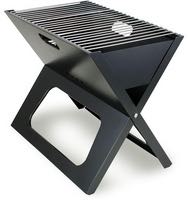
If you have a small RV with limited storage space, and you also enjoy barbecuing, you know what a pain it is to find a place to store a bulky barbecue. Picnic Time may have a solution for you. The folding portable charcoal X-Grill features a compact, easy to assemble, slim line design in durable electro-plated iron.

small-bbq-737The grill includes a chrome-plated tri-fold cooking grate that measures 18-1/2 by 11 inches, plus a charcoal grate, both of which store conveniently inside the folded grill. A durable 600D polyester carrying tote with strap that is included allows for easy transport. With the X-Grill, you can take the BBQ wherever you want to go.

RVtravel.com editor Chuck Woodbury swears by his X-Grill. “It sets up and folds back fast and we have plenty of room to cook a meal for two,” he says. “We store it in a side compartment where it takes up very little space, far less than any other grill I’ve ever owned.”

 The grill is available at Amazon.

Never change cat litter again with this eco-friendly litter box

0

Here is a great product for RVers who travel with a cat — a disposable, eco-friendly litter sytem that is easy to use with no scooping! And the really great thing is that it lasts four to six weeks, and after that it can be dropped into the trash, and then totally decompose in two years in the landfill. That’s a huge improvement over traditional cat litter, which is not at all eco-friendly.

The cat litter system by Litter One is the alternative to conventional cat litter care. The disposable litter kit is made of 100 percent green material that contains pine pellet litter, a scoop and bags — everything you need for cat litter maintenance.

The patent pending false floor system separates pellets that have been soiled with urine without scooping. Just gently stir pellets with the cardboard scoop and/or shake the litter kit from side-to-side or front-to-back. Soiled pellets will pass through the floor system.

This unique system is great for RVers or anyone who doesn’t want to store bags of cat litter which not only take up space but also weigh a lot and clog up landfills afterwards! Watch the video for a demonstration of how the system works. Learn more and/or order.

Correct Track keeps travel trailer, 5th wheel axles aligned

Correct Track alignment system by Lippert Components provides a safe and simple way to correct a misaligned trailer suspension system. Misaligned axles and suspension are caused by lateral unbalanced weight. When an RV foundation is assembled, the bulk of its final weight has not yet been placed on the axles and chassis.

The addition of slide-out rooms, appliances and cargo can cause imbalance and lead to misalignment. Correct Track can be integrated into the suspension system of your RV chassis, enabling certified service techs to customize the wheel alignment to your specific load requirements, preventing premature tire wear and improving gas mileage.Lippert Components offers easy-to-install, bolt-on single, tandem, and triple axle Correct Track kits designed specifically for aftermarket installations. Correct Track can be installed by any authorized Correct Track Service Center. The Correct Track hanger adjusts the axle alignment by 1/4 inch increments.

When Correct Track owners bring their trailer into an authorized service center, a service technician will measure the alignment with the Correct Track laser alignment tool. After the measurements are recorded, the service technician can adjust the Correct Track hanger by 1/4 inch increments in order to properly align the suspension. Lippert’s Correct Track Suspension Alignment Kit is available at a good price at Amazon.

Watch the video as Gary Bunzer, the RV Doctor, explains how it works.

https://youtu.be/N0hIeikzKXo

As an RVer do you have to practice for an emergency?

By Chris Dougherty
Certified RV technician

This is part four of a series of articles about Emergency Preparedness for RVers.

So what can you do to practice for an emergency? Here are some ideas:
1.  “EDITRV” – Exit Drills In The RV. Make sure you and everyone who stays in your RV know how to exit in the event of an emergency. Operate all the emergency exits, and if they don’t work for some reason get them repaired. This includes hatches, doors and windows. Some RV emergency exits can be very difficult to get out of. If you have to bail out for some reason (like a fire), just do it. You’ll probably survive the fall, but you won’t survive the fire. There are manufacturers who make various types of escape ladders, but if there’s a fire you need to escape from you might not have time to use it.

2.  Test your safety detectors. Your RV should have smoke (preferably more than one, and in each “living zone” if your RV has more than one), propane and carbon monoxide or CO detectors. They all need to be tested and have batteries replaced regularly (if they’re battery operated), and the detectors themselves need to be replaced based on the manufacturer’s schedule or if they malfunction. I’ve seen many RVs with detectors where the wires are just cut off because of false alarms, and this is inviting disaster!

3.  Have an escape plan. If you have to have an emergency evacuation of your RV, have a common meeting place or area like “in front of the RV.” Once out, never re-enter an RV that’s on fire. Call 911 and stay at a safe distance.

4.  Using your RV as a “lifeboat”? Folks who live in hurricane-prone areas frequently use their RVs as a lifeboat from their stick homes. Make sure your coach has everything you’ll need in it, and practice driving to the local emergency evacuation routes. Keep the RV fueled and ready to go. Practice putting your emergency kits (sometimes called “Go” kits) together in the house and getting them to the RV. Use a checklist for this.

5.  Test your communications gear. What kinds of emergency communications gear do you have? Make sure everything is in good working order. Have an atlas in your RV somewhere as a backup in case your GPS doesn’t work for some reason (or at least more than one GPS device, like a smartphone and a regular GPS.) Also, be sure to keep your GPS unit updated with the latest maps from the manufacturer’s website.

Whatever you do, wherever you are, if you’re ready, you can survive a disaster! Be Disaster Aware and Take Action to Prepare!

Read part three in this series.

Keeping spare light blubs is a great idea

By Chris Dougherty
Certified RV technician

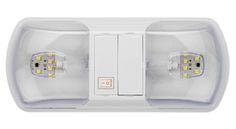
These days many new RVs are coming equipped with all LED lighting, which is great. LEDs last a long time and are very energy efficient. The rest of us still have good old-fashioned light bulbs that burn out.

Keeping a selection of light bulbs in your rig’s tool box is a great idea. This way, when you have a burn out, you have a replacement handy. Here again your owner’s manual should tell you what bulbs you need for the various lights in the rig, and I would keep at least two of each. If you don’t have the list, that’s okay — each fixture will say which bulb it needs on the back plate behind the bulb.

Don’t forget appliance bulbs! The bulb sizes will be listed in the appliance manual, or the bulb can be used to match one up, although some of them are specialty bulbs that may only come from an RV appliance service provider or appliance company. Very important, and I can’t emphasize this enough: Do NOT change bulb sizes in these lighting fixtures. Replace them with the exact bulb that was in them!! Here’s why: With interior lights, a larger size bulb is hotter and thus can cause a meltdown of the fixture and a fire. The same goes for exterior lights. Marker, and stop/turn/tail lights must have the same bulb to maintain their FMVSS rating for visibility, and if the wrong bulb is inserted in a tail light, it probably won’t work, or can even blow fuses.

Another problem I have seen is when the wrong style bulb is used in a fixture, like when a stop/tail/turn multi-filament bulb is used in an interior single-filament fixture. This can create a short circuit in the fixture that can cause damage to the fixture or even a fire. Always use the bulb recommended in or on the fixture.

Prepare for autumn weather to be safe

By Chris Dougherty
Certified RV technician

Written in the month of September
Welcome to autumn! Well, not officially yet, but here at the Pennsylvania RV and Camping Show in Hershey, I am surprised at the amount of leaves on the ground. The nights have that fall crispness to them, and while I hear the distinctive crunch of leaves under the tires as vehicles pass my site at the Hershey Thousand Trails campground, and enjoy a cup of pumpkin coffee, it reminds me that we are soon to be needing the heat in our coaches, and starting to think about freeze protection.

It is always best to check out your RV furnace before you need it, to make sure nothing has nested in and around the furnace or its vents, including mice, wasps and mud daubers. Check around the cabinet inside the furnace to make sure nothing has mistakenly been stuffed around it like plastic shopping bags or other items. Really — it happens sometimes!

Make sure your propane is full before you go camping during heating season. LP furnaces eat quite a bit of fuel keeping the RV warm.

Test the unit before your trip to make sure it works well. If you have floor ducts, take a look inside them. If you see a lot of crud down there, take the registers off and vacuum the ducts out the best way you can. They do make generic tools for cleaning and vacuuming ducts, but they may be too small for the ducts in your coach. I have “MacGyvered” some tools over the years to assist with that chore, including “custom” shop vac hoses to suck out mouse nests, but I’m not sure they’re worth sharing.

If you get into the really cold camping, there are a bunch of things you can do to keep the water flowing and the coach comfortable, and we’ll be detailing those in the coming issues. For instance, heated RV water hoses will help prevent the fresh water hose from freezing. [Read Chris’ article “A rundown of heated hoses for RVs.”] Other items to think about are holding tank heaters, space heaters and window insulation kits if you don’t have Thermopane windows. More on those another time.