

Planning on boondocking away from shore power but still need that essential shore-power-driven equipment? You know you need an inverter. There’s a market full of power inverters available, and sifting through them can be difficult. Need some help with the options? Here is power inverter shopping made easy.
What follows is a story carried by Xantrex on its RV blog. You might think this could be a “puff piece” for Xantrex inverters. But while the writer, Edward Yuen, does make mention of some of his company’s equipment, overall we think you’ll find the story to be extremely helpful, particularly if you’re new to the inverter game.
Power inverter shopping simplified
Choosing the right inverter for your RV or camper van is crucial for powering your appliances on the road and ensuring a smooth experience. Whether you’re looking to add an inverter or looking to replace a stock model inverter for one that fits your power needs, there’s no one-size-fits-all inverter and some consideration must be made when choosing what to install.
Since an inverter converts DC power from your RV’s batteries into AC power to run your household electronics and appliances, it’s important to select a unit that will handle the power needs you will put on it. But with so many options available, what should you consider before making your purchase? Here are some key factors to keep in mind when selecting an inverter for your RV.
Power capacity and surge capacity
 One of the most important factors to consider when choosing an inverter is its power capacity, often measured in watts. Power capacity determines how much continuous power the inverter can supply, while surge capacity refers to the short bursts of higher power it can provide for appliances with high start-up demands.
For example, a 2,000-watt inverter can handle a continuous load of up to 2,000 watts, but it might have a surge capacity of 4,000 watts for a few seconds, which is ideal for starting appliances like refrigerators or water pumps. When selecting an inverter, it is important to tally and create different scenarios of the total wattage of the appliances you plan to use simultaneously and then make sure the inverter you choose has enough capacity to handle the combined load.
Storage location and size
It is important to know where you will store your inverter so that it is protected, doesn’t get in the way of everyday activities, and is easy to access. Popular storage places include everything from “basement” storage compartments near power distribution panels for large RVs to simply placing it under a couch in a one-room campervan. It is important to note that inverters will make a bit of a humming sound when running, so proper sound control and ventilation is recommended.
Pure sine wave vs. modified sine wave
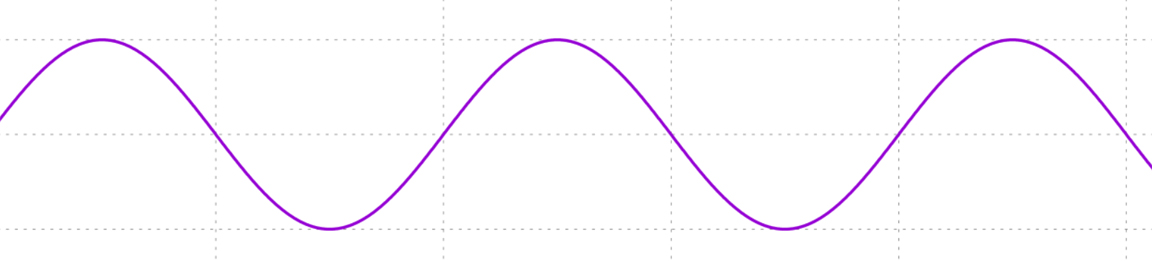
Choosing between a pure sine wave and a modified sine wave inverter is another critical decision.
• Pure sine wave inverters produce power that closely matches the smooth, continuous wave provided by grid electricity. This makes them suitable for sensitive electronics like laptops, microwaves, and newer appliances with variable speed motors. Pure sine wave inverters ensure that your devices run efficiently and without risk of damage.
• Modified sine wave inverters, on the other hand, create a more stepped or blocky wave. They are generally more affordable, but may cause humming, reduced efficiency, or even damage to certain sensitive appliances. These are best suited for simpler devices like lights, older appliances, and power tools.
For RVers with a variety of electronics, investing in a pure sine wave inverter will provide a smoother and safer power experience. To learn more about choosing the right type of inverter for your RV, read this article on How to Choose Between Pure Sine and Modified Sine Wave Inverters.
Inverter features
Inverters come with a large variety of different features. One of your major considerations should be whether the inverter can integrate with your RV’s onboard power system or if it is simply a stand-alone unit with a couple of AC outlets. The main features to consider these days are:
• Onboard integration: Some inverters can be integrated into your RV’s electrical system, allowing for seamless power distribution throughout the vehicle. This setup can simplify installation and provide a cleaner look by minimizing extra wiring.
• Bluetooth connectivity: Modern inverters often come with Bluetooth connectivity, allowing you to monitor and control the inverter through a smartphone app. This feature provides real-time data on power usage, battery status, and inverter performance, enabling you to make adjustments on the fly.
• Built-in charging ability: Newer inverter models, such as the Freedom XC series from Xantrex, have integrated chargers that can charge onboard house batteries from shore power or solar power. This two-in-one functionality not only saves space in your RV, but also simplifies your setup by reducing the number of devices needed to manage your power.
• Advanced safety features: Safety is paramount when using electrical devices. Many inverters come equipped with built-in protection against overload, over-voltage, and short circuits. Features like automatic shutdown help safeguard both the inverter and connected devices, giving you peace of mind during your travels.
When selecting your inverter, consider how you plan to use it and whether you want a more permanent solution or a versatile, portable option.
Compatibility with other power systems: lithium and solar
For those with advanced RV setups, it’s crucial to consider how the inverter will integrate with lithium batteries and solar panels.
• Lithium batteries: Lithium batteries have become a popular choice among RVers due to their longer lifespan, higher efficiency, and ability to maintain a steady voltage. When pairing a lithium battery with an inverter, it’s essential to ensure that the inverter is compatible with the battery’s voltage and charging characteristics.
• Solar power: If you have a solar setup on your RV, look for an inverter that can easily integrate with solar charge controllers and the overall solar power system. This will allow you to maximize the benefits of solar energy while still providing reliable power during cloudy days or when parked in shaded areas.
A well-integrated system ensures that all components work together efficiently, reducing energy loss and providing a more seamless power experience on the road.
Making the right choice
Selecting the right RV inverter requires balancing power needs, compatibility, and budget. By considering the power capacity and surge requirements of your appliances, deciding between pure sine and modified sine options, evaluating integration capabilities, and ensuring compatibility with lithium batteries and solar systems, you can choose an inverter that will keep you powered up wherever your travels take you.
Our thanks to Xantrex for permission to reprint this story. May your power inverter shopping be easy!
RELATED
- Do-it-yourself inverter repair
- Solar controllers versus solar inverters
- Inverter vs. converter – What’s the difference?
- RV inverters 101: Portable and large inverters for off-grid power
- RV inspector picks the best 30-amp inverter generators for RVers
##RVT1204

You didn’t mention how much power they draw with no load, some are much worse than others
Our Xantrex has an on-off switch. It is never “on” except when we are actually using it for the conv-micro, induction cooktop, Keurig, or toaster. As soon as the appliance is finished, the inverter is turned to “off”.
Great article! I’m downsizing from class c to a no-build van so I can do more traveling at age 83. I’ve been looking into the power stations and to understand how they operate. This article answered many questions! Thank you!
Thank you for finding and sharing this interesting and informative discussion, Russ and Tina! As it happens, a Xantrex pure sine wave inverter was OEM on our RV. 🙂 Have a great weekend and safe travels!