

 Dear Gary,
I usually store my coach in Central Florida outside from April to December and I have a couple of questions: How do you stop dampness from building up in the RV with the potential of mold forming in the heat of the summer? My hatches have covers. Should I leave the hatches open slightly or should I close them tight? Should I cover the windows with a reflective barrier to prevent the sun from shining into the coach? Thanks for your help. —Barry R.
Dear Barry,
Storing an RV for any period of non-use requires some key considerations. In your case, the process will vary slightly from my typical recommendations for a winter storage season. Having grown up just a few miles north of you in Bradenton, I know how sultry Florida summers can be! The key concern for warm, moist climate storage is, indeed, prohibiting the buildup of moisture and the prevention of mold.
The first thing you need to verify is that there are absolutely zero water leaks in the coach. Roof, roof components, windows, doors, compartment doors – literally everything screwed or attached to any exterior surface must be verified to be leak-free.
To be 100% sure there are no air or water leaks in the RV, check out this interesting video regarding the SealTech inspection:
Likewise, the plumbing systems must not have any leakage. I do recommend blowing out all the fresh water plumbing lines, thereby rendering the entire fresh system void of water. Keep water in the toilet bowl, the P-traps and in the bottom of each holding tank, however.
Another key to summer storage as opposed to winter storage: In the winter, I like to see the coach completely airtight; but during the hot, humid months of summer, I like to see some airflow through the coach. If you have a powered vent or similar cover over the 14-inch roof vents, leave one of them open at one end of the coach and leave a window cracked open at the other end of the coach – preferably a window closest to the floor – so convection air can flow through the interior. Now I know it will rain, so protect that window opening with some plastic sheeting or something else that can absorb any sideways raindrops that might enter. This is the toughest part, obviously, but doable.
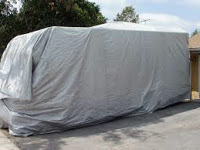 Another option is a total coach cover. A custom one that allows breathing to take place is preferred. With a custom cover, you’ll be able to vent air through the open roof vent and draw in fresh air through that window without the fear of rainwater entering.
Aftermarket desiccant containers are readily available from many retailers. They will absorb the moisture that will indeed enter the rig. Place them on a pie tin at various locations throughout the rig. I’d rather deal with collecting the moisture than tightly sealing the coach. A hot, stuffy, humid interior will further the proliferation of mold faster than one with ventilation, even though moisture will undoubtedly enter. Heat is one of the biggest generators of mold. The desiccant granules will absorb the excess moisture. You may need three or four containers, depending on the overall interior length of the RV. But in my opinion, a ventilated coach will be a cooler environment and less prone to mold development.
Yes, cover the windows! I recommend half-inch thick sections of Styrofoam be cut for each window opening. They can be form fitted or taped in place. Be sure to treat and cover the tires as well. Also, bring all the slides to the retracted position. You should be just fine come December.
Read more from Gary Bunzer at the RVdoctor.com. See Gary’s videos about RV repair and maintenance.
##RVT848


If you’re fortunate enough to have shore power available at your storage site, consider buying a dehumidifier. Most provide for a drain line you can run to outside the coach. They are adjustable to an acceptable humidity level and do not need to run continuously. They cost in the $200 range but also appear used on Craigslist for as little as $20. Even when you use your RV, its a great idea to occasionally dehumidify the interior. Truly amazing how much moisture your upholstery, foam, carpets etc. absorb from merely living in the RV. After running the machine for a day, you’ll notice a positive change in how it feels and smells
Here’s what has worked perfectly for me for the last 4 years, storing my 22 foot travel trailer outside, covered, in Central Texas, from April through October: all windows and vents closed and two 4 pound tubs of Damp Rid. Zero mold/mildew and a fresh smelling trailer on November 1st. Florida is so much more humid this might not be adequate.