


By Mike Sokol

Welcome to my J.A.M. (Just Ask Mike) Session, a weekly column where I answer your basic electrical questions. If you’re a newbie who’s never plugged in a shore power cord (or ask – what’s a shore power cord?), or wonder why your daughter’s hair dryer keeps tripping the circuit breaker, this column is for you. Send your questions to Mike Sokol at mike (at) noshockzone.org with the subject line – JAM.
 Dear Mike,
Did you know that dog hair can accumulate in your portable space heater, clogging it up enough to start a fire? Here’s what I found after I took my space heater apart since it smelled like burning hair. Guess it was burning hair…. I was sure to unplug it first then used an old toothbrush to remove the hairy bits (yuck!) that Archie must have left behind. —Chuck Woodbury
Dear Chuck,
Interesting, isn’t it? While your space heater can look okay on the outside, the inside can become a lint trap (or dog hair trap), with the possibility of starting a fire. You did the right thing and prevented a fire from starting in your RV. So let’s not blame Archie, since he’s only doing what dogs do (shed), and get down to portable electric heater maintenance.
If you have anything with a fan inside it’s going to accumulate dirt, lint and pet hair. And if that “anything” has a heating element (such as a portable space heater), then that fuzzy stuff can become tinder for a fire to start.
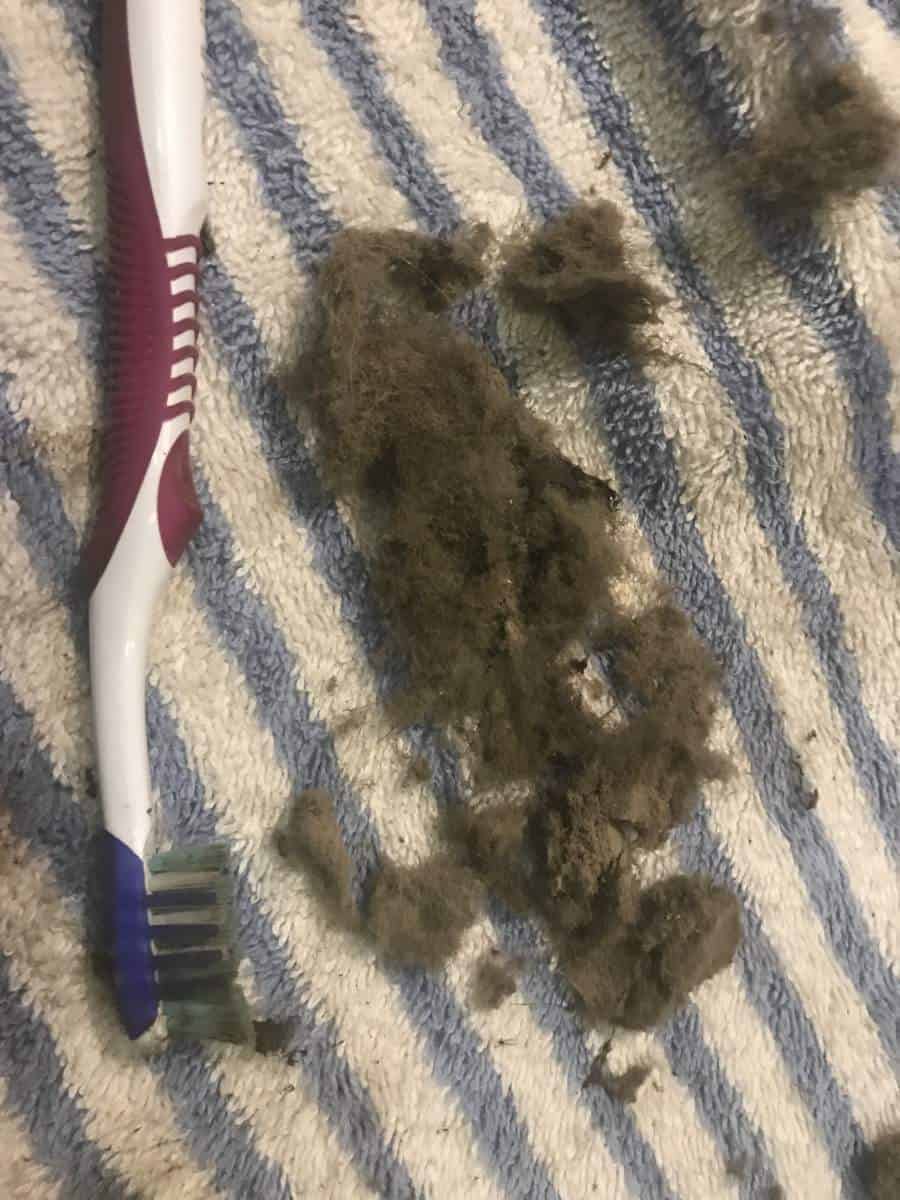 My first suggestion is to use a can of compressed air to blow out the vents occasionally, at least once a season. But if you forget and let it go for a while, then you’ll have to unplug your heater from power and carefully take it apart. A soft toothbrush is an ideal tool for lint/hair removal, but be careful not to bend anything. And make sure the fan blade turns smoothly. Some of them will require occasional lubrication (maybe every few years depending on usage), but don’t ever spray it with WD40. You’ll want a light sewing machine oil such as 3-in-1 oil to refresh the sintered (powder metallurgy) bronze bushings, but don’t overdo it and get oil everywhere.
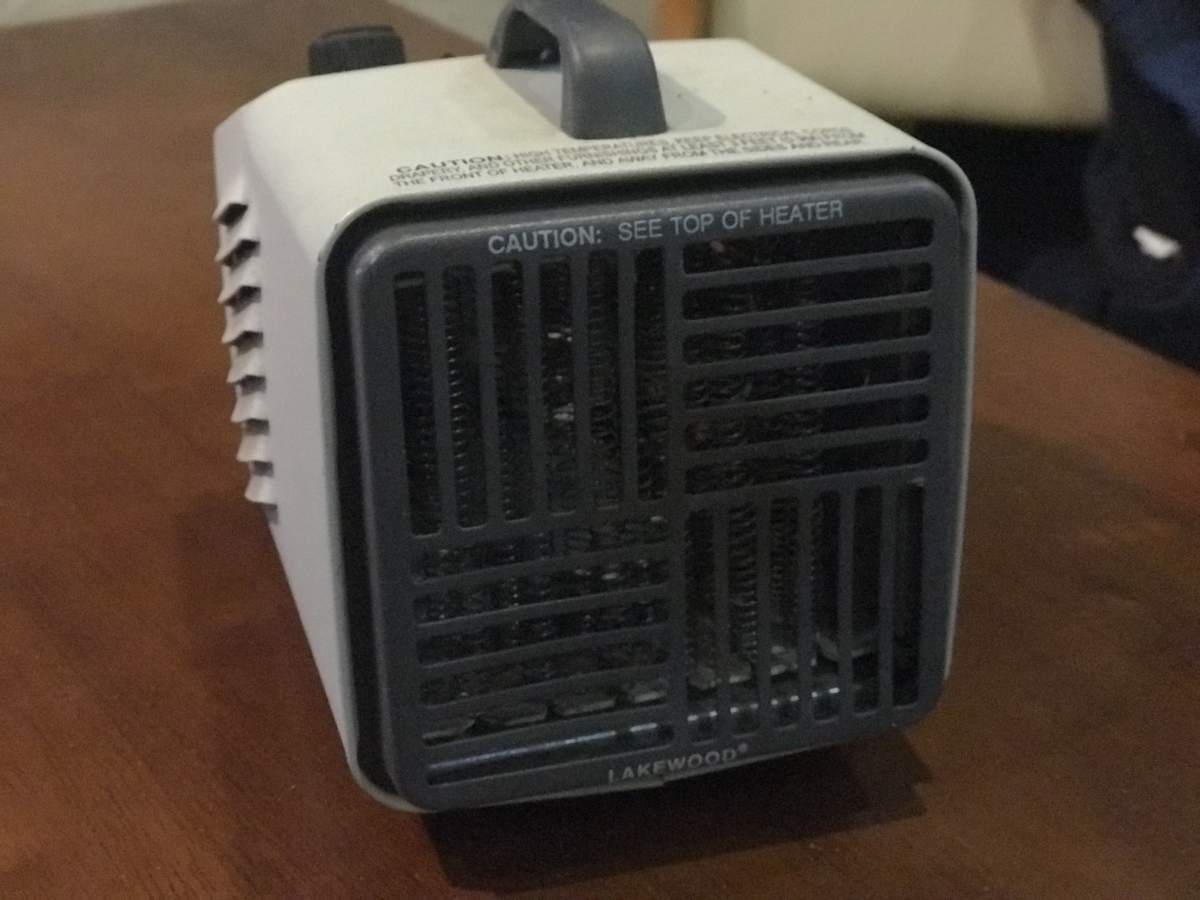 Then reassemble, plug it in, and test to make sure everything is working properly, including the tip-over safety switch and temp setting. Finally, this is a good time to inspect the plug and power cord for any sign of wear or overheating. And give the plug a little spritz with contact cleaner such as DeoxIT.
If the wiring and plug are not perfect, then replace the entire cord. And if you don’t feel comfortable replacing the cord yourself, then get a new space heater since they’re certainly cheap enough. And remember, NEVER plug a space heater into any outlet strip or light extension cord as that’s a recipe for an electrical fire.
OK, everyone. Remember that electricity is a useful and powerful force, so we all need to pay attention to safety precautions while using it.
Let’s play safe out there….


Mike Sokol is an electrical and professional sound expert with 50+ years in the industry. His excellent book RV Electrical Safety is available at Amazon.com. For more info on Mike’s qualifications as an electrical expert, click here.
For information on how to support RVelectricity and No~Shock~Zone articles, seminars and videos, please click the I Like Mike Campaign.
##RVDT1238;##RVT928


One of the main reasons I DO NOT OWN and NEVER WILL OWN a SPACE HEATER.
It doesn’t matter what kind of safety features these DANGEROUS THINGS HAVE, THEY ARE JUST DANGEROUS!
SAVE YOU MONEY AND DON’T BUY THEM!
Ridiculous accusation.
As long as they’re used safely and properly maintained, portable electric space heaters are safe. But so many consumers don’t understand the basics of safe usage.
These heaters have become way more safe over the years …and less expensive. I’ll just buy a new one instead of trying to take it apart and clean it!
We use the baseboard style that is filled with silicone. no moving parts easy to clean, also have the ones that look like the old steel radiators, they work great , even good for drying wet clothes , built in thermostat and two heat settings.
Hi Mike,
I was wondering when you’re going to do an article about troubleshooting short circuits. I think it would be a great thing to know for some of us.
Thanks in advance,
Drew
Good idea. I’ll put it on my to-do list.