

We are finally camping like the good ol’ days: We have a destination and a place or two along the journey but nothing else planned, including campsites. After what seems like a decade of COVID restrictions, closures, c-r-o-w-d-e-d campgrounds and virtually nowhere to park the RV without a six-month reservation, we are free! School has started, the weather is cool (if not downright cold), a lot of the tourist spots are closed and many of the campgrounds are virtually empty.
We are meandering back to Arizona for the winter and checking off National Parks, Monuments, and Historic Sites along the way.
Worth a stop: Knife River Indian Villages
When crossing the expansive Great Plains of North Dakota to Theodore Roosevelt National Park, we stopped at Knife River Indian Villages in Stanton, North Dakota. This place is a must-see.
Located in central North Dakota, 85 miles northwest of Bismarck, Knife River Indian Villages is part of the heritage of native tribes in the area and the home of Sakakawea (Sacagawea, Sacajawea), part of the Lewis and Clark expedition. While that does give it star appeal, of real interest was stepping back in time to a way of life now gone but, thanks to our National Park Service, not forgotten.
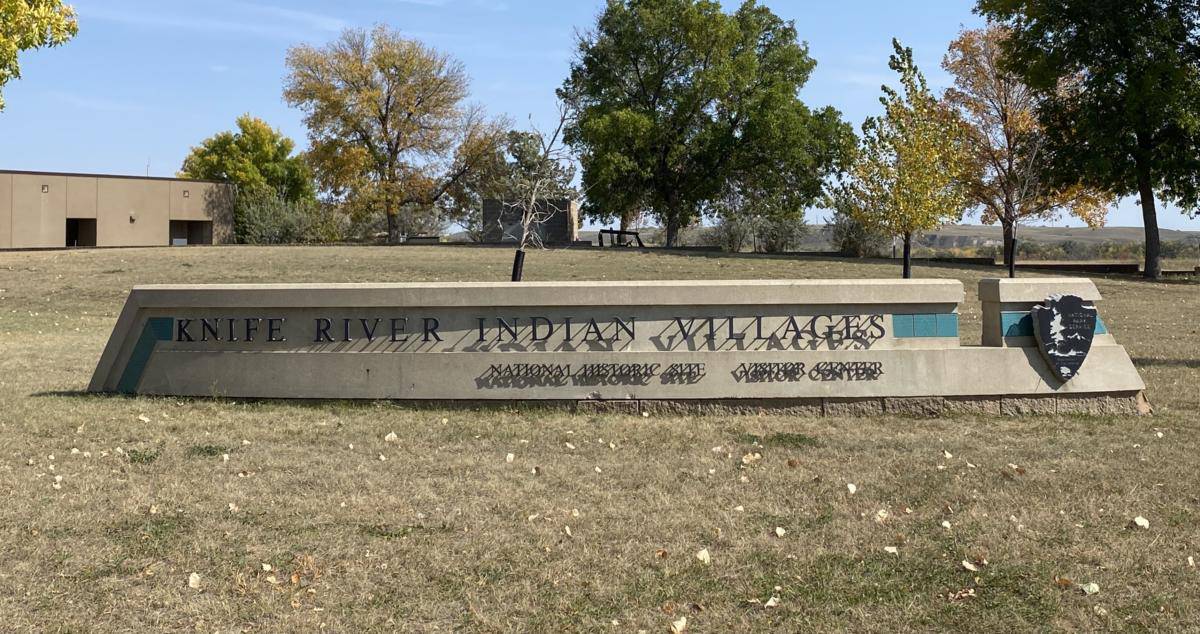
Visitor Center Museum at Knife River Indian Villages
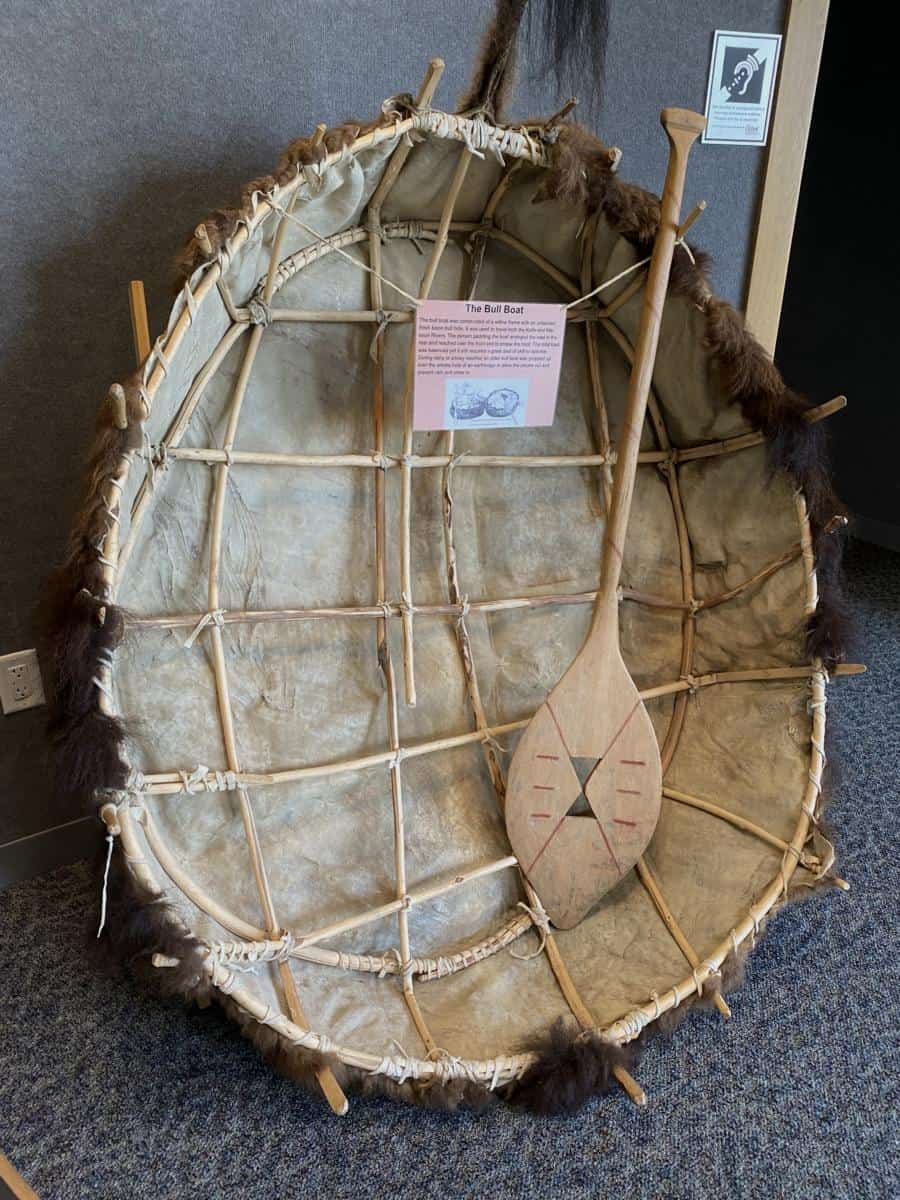
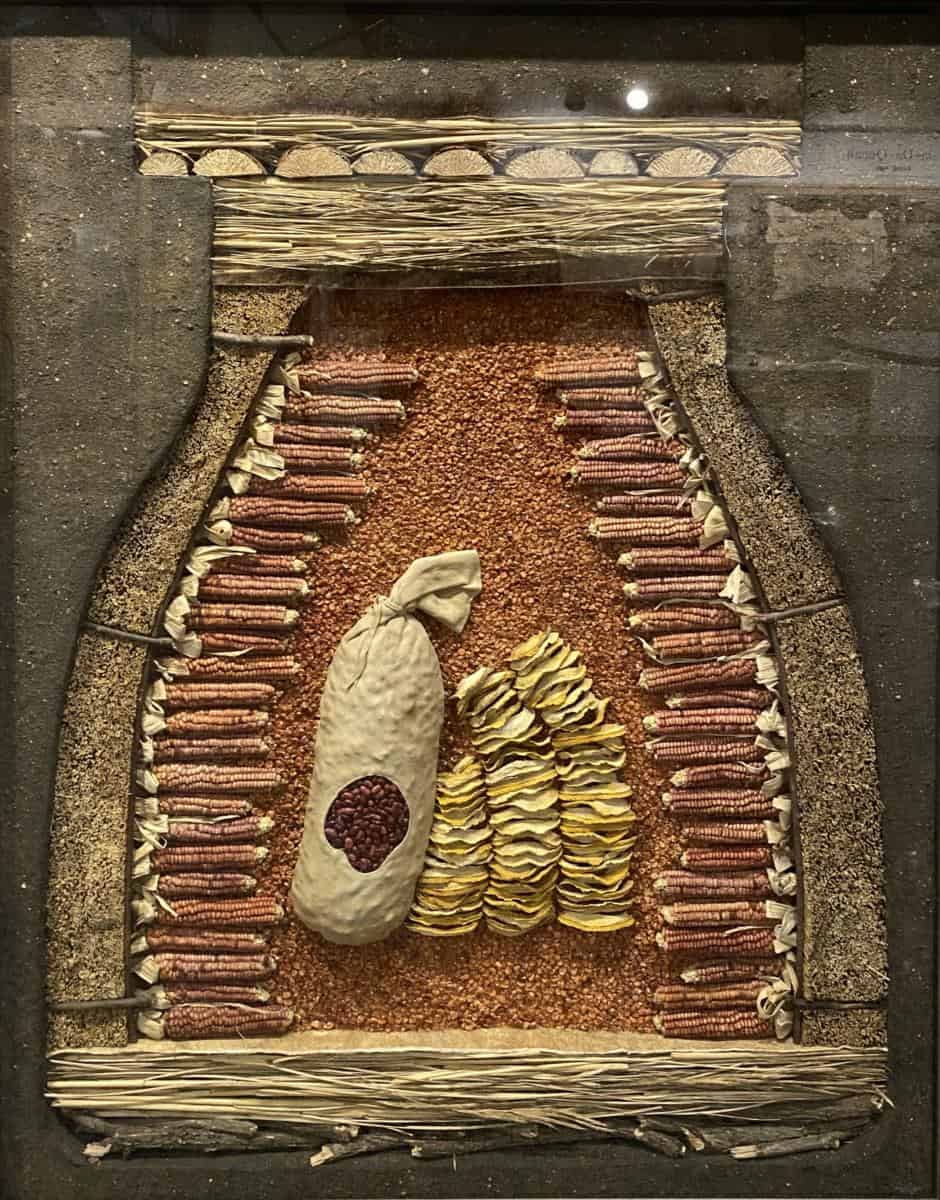
There is a film as you enter the visitor’s center of Knife River Indian Villages with Buffalo-bird-woman, the last of the Hidatsa people that lived in the villages at Knife River. She tells of the history and details the life she lived there as a young woman. The small museum shows how a cache was filled to preserve food, the many uses of the buffalo, a bull boat and a replica of a warrior’s shirt that was presented to Lewis and Clark by a Mandan warrior.

Earth mound homes
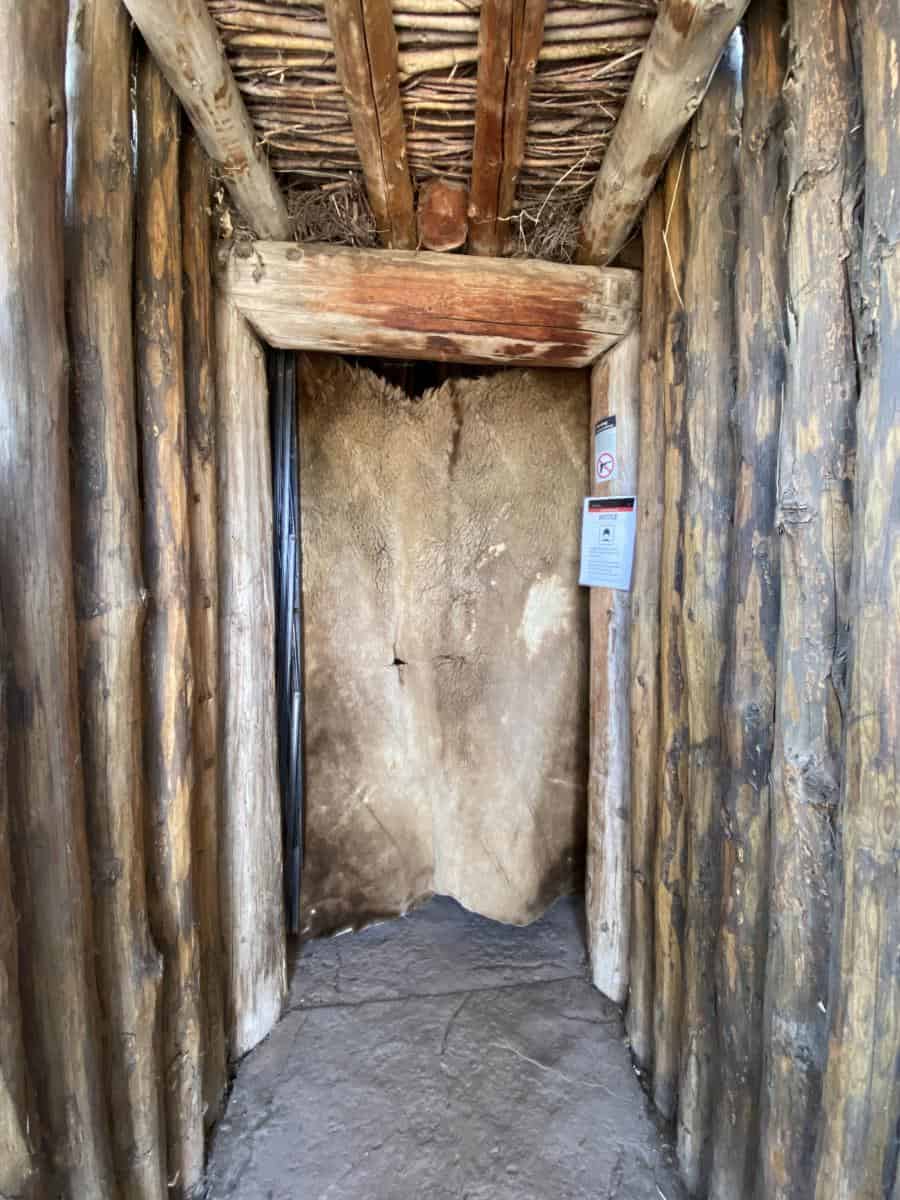
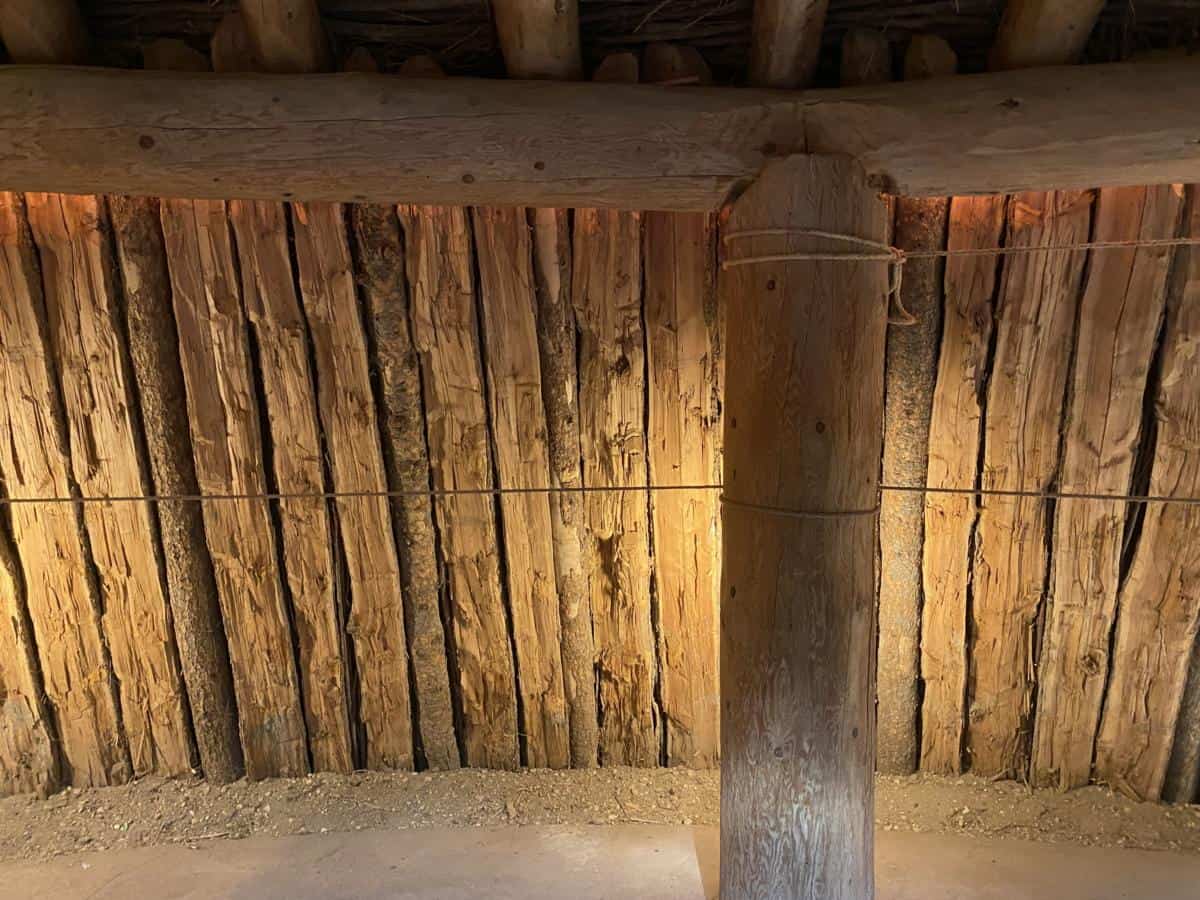
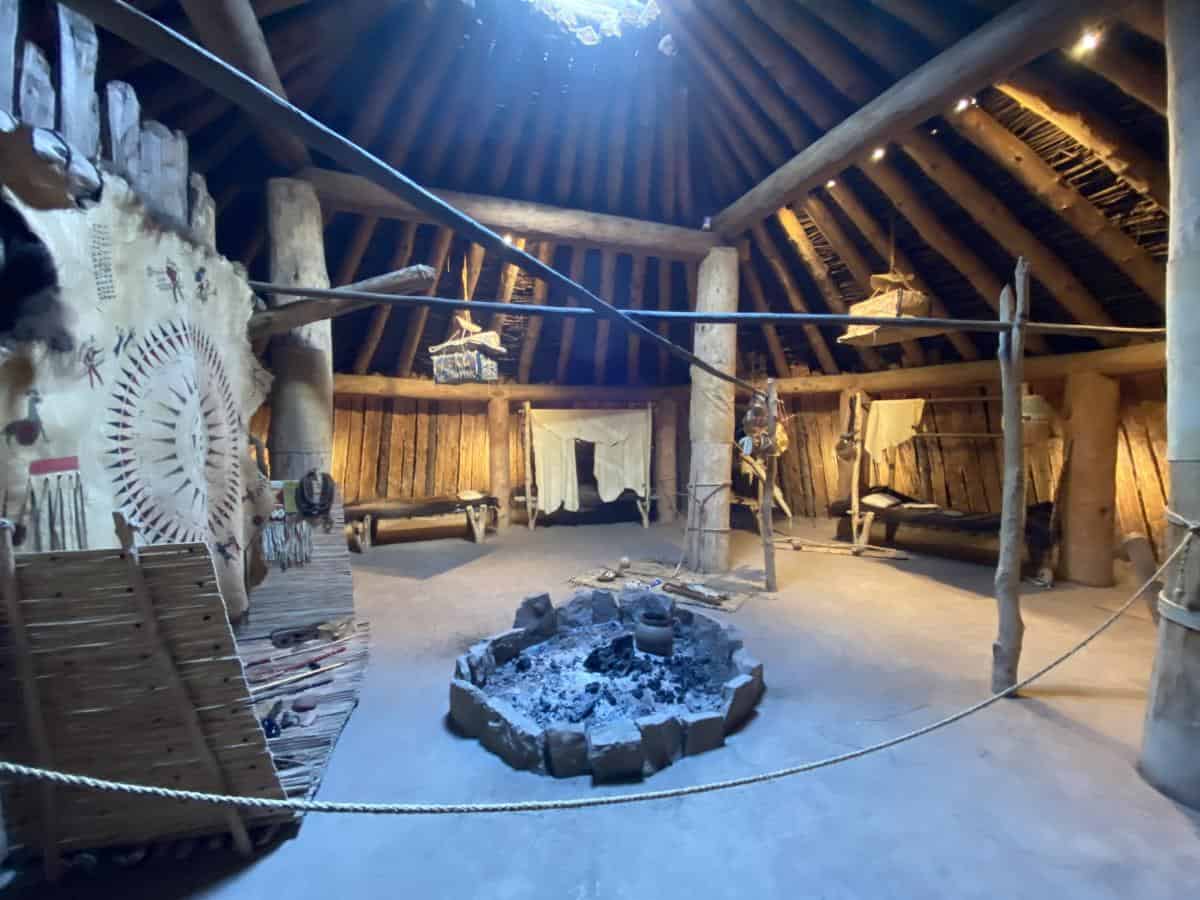
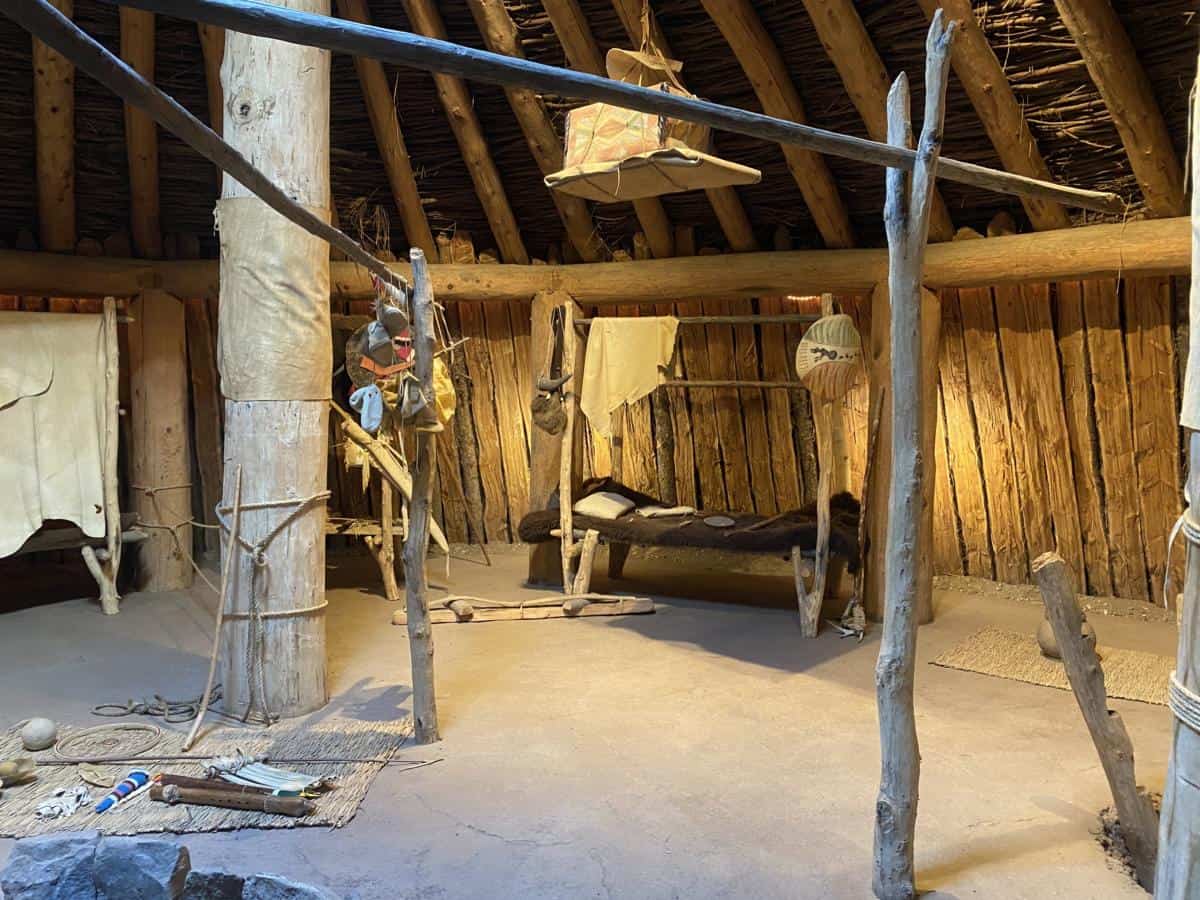
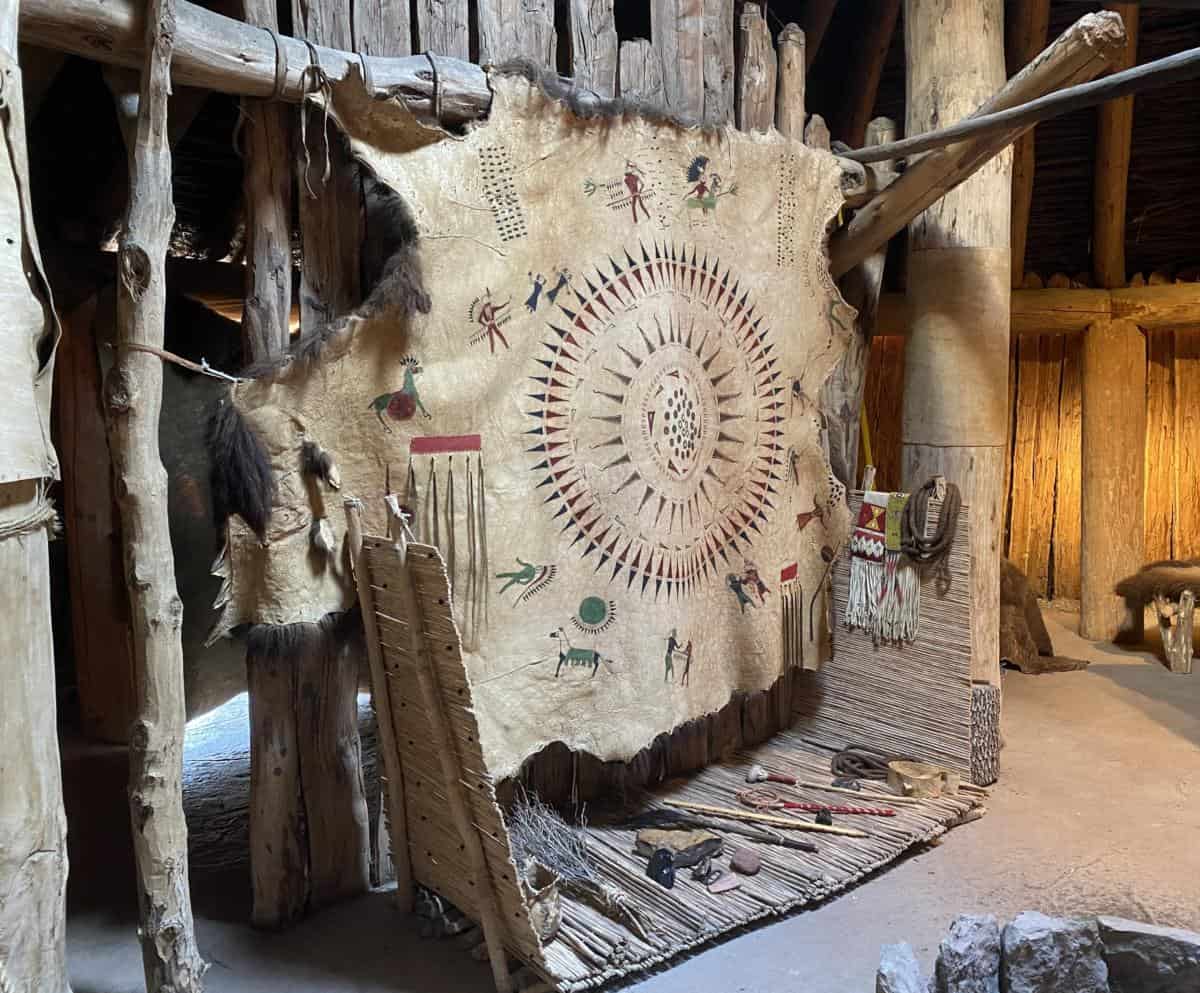
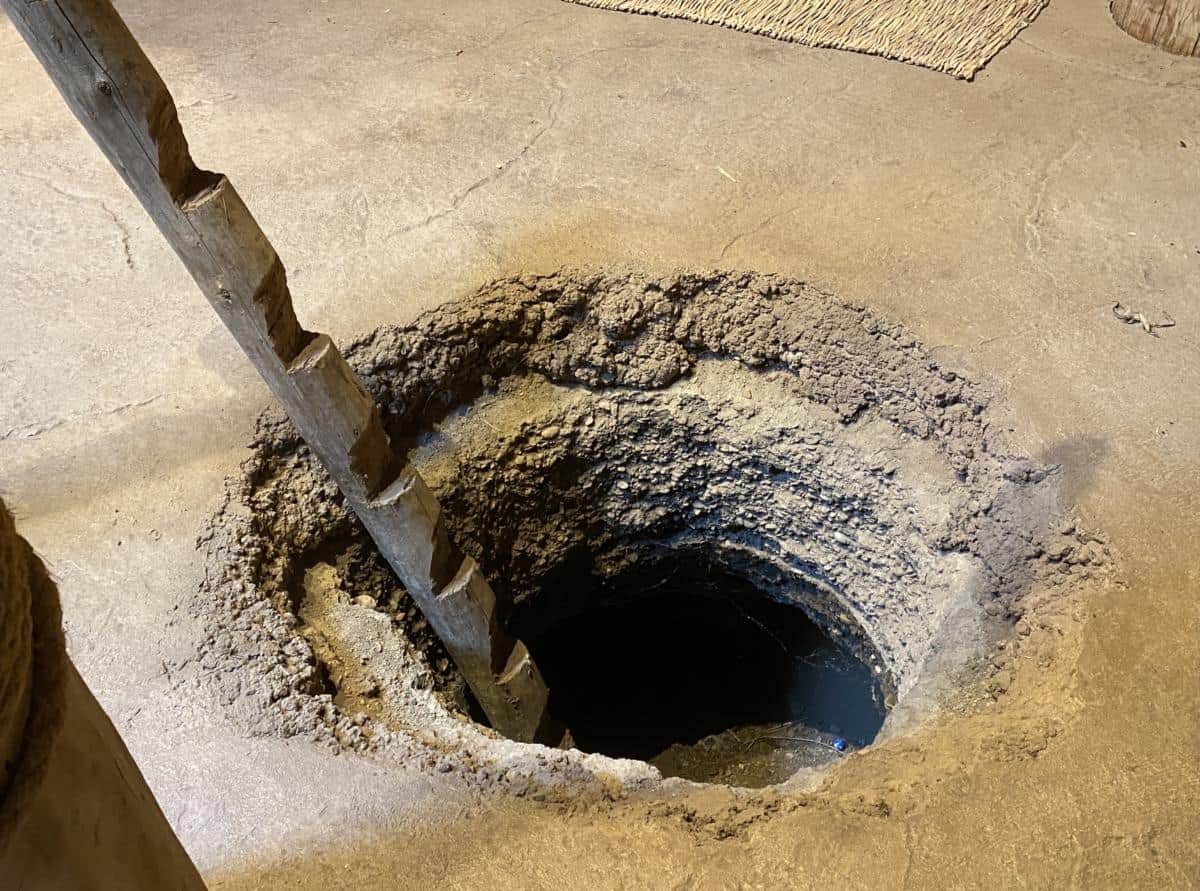
I was awestruck as I entered the replica of an earth mound. These were the summer quarters of the tribe; they moved closer to the river among the shelter of trees for the winter. Pushing back the hide covering the door, we entered a huge, almost 40-foot diameter circular room used for communal cooking, sleeping and living space for anywhere from 10 to 30 people. While the outside looked like a mud mound, the inside was lined with large logs for support. A smoke hole was in the middle and cots lined the walls. Baskets, hanging parfleches, and dried rawhide containers provided extra storage.
While hunting was important, this was primarily a farming community, so there was a small garden plot near the mound.

The villages
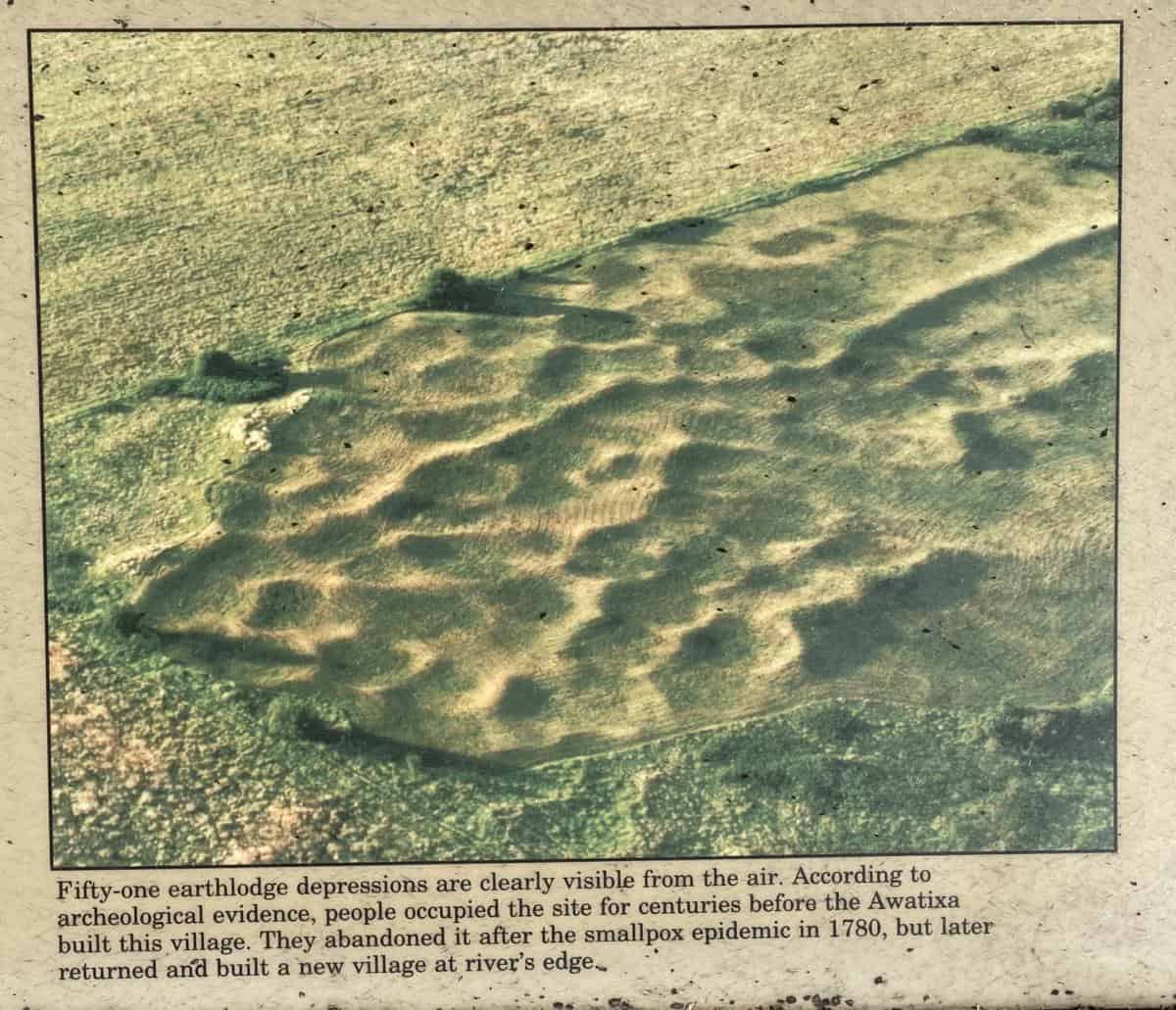
Walking along the path to the river, the now long-gone communities are evident in the indentations and ridges where the homes collapsed. George Caitlin recorded the Hidatsa villages in his paintings of the area.
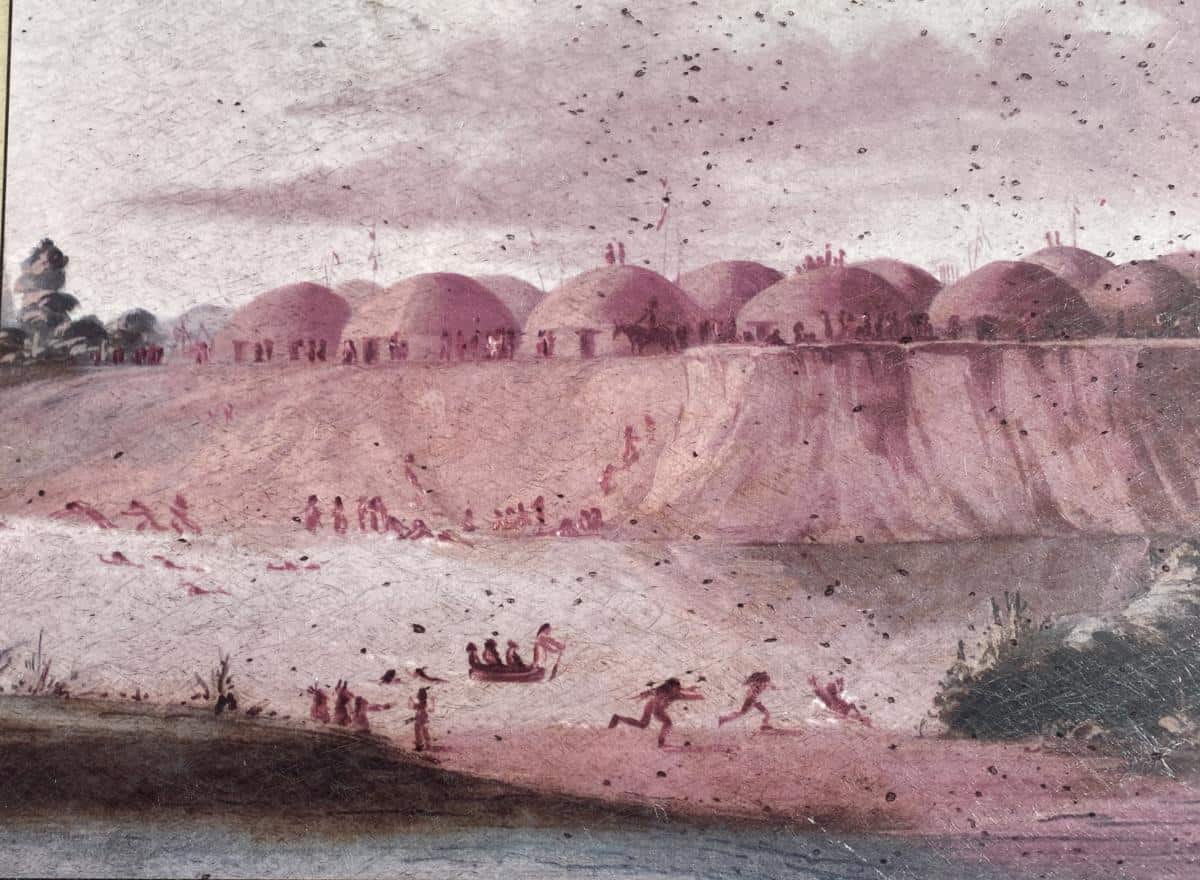
Sakakawea and her husband lived in one of the villages before going to Fort Mandan to help guide the Lewis and Clark expedition. Aerial views clearly show where the villages were.
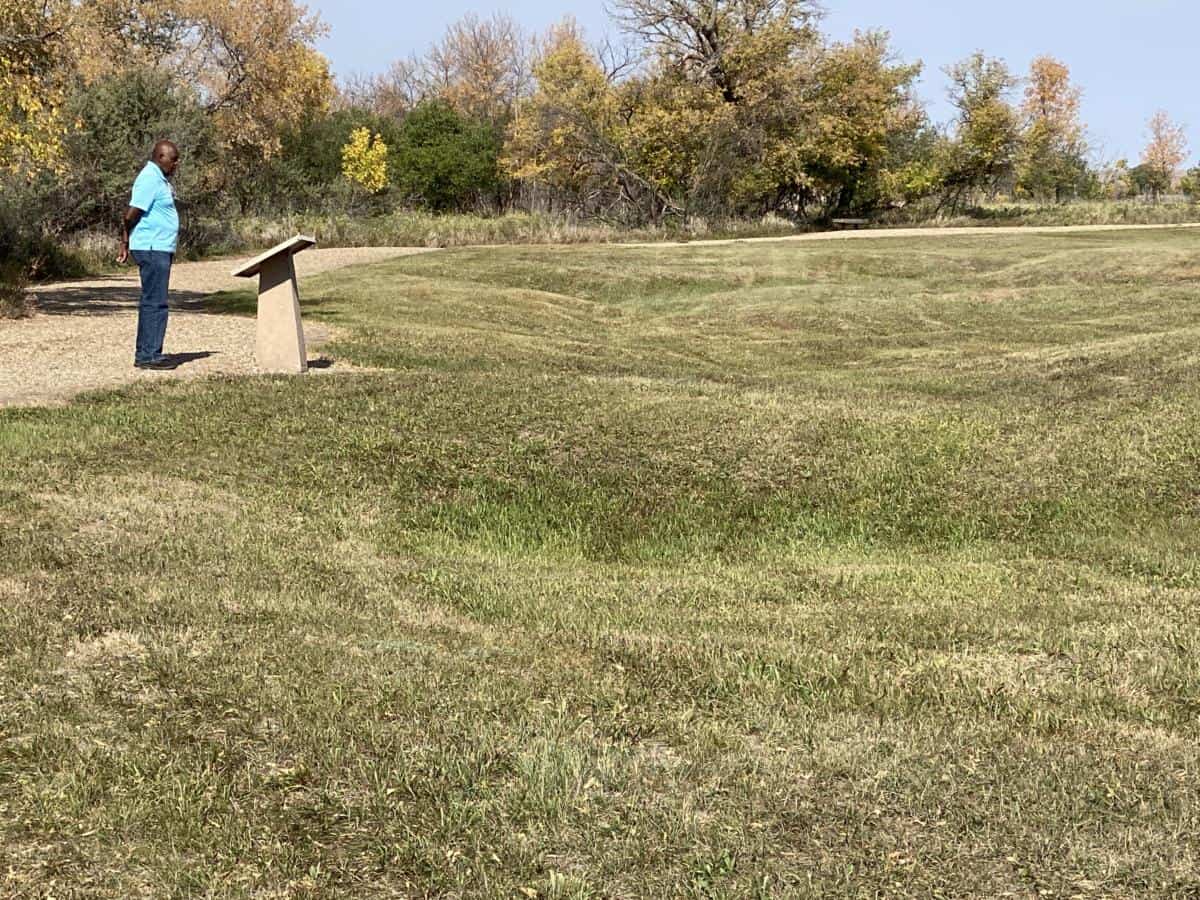
I am so grateful for our National Park Service for saving this part of history for the generations to come and not letting these peoples be forgotten. While the sun beat down and the wind lay the prairie grasses flat, you could almost hear the whispers of the elders and the sound of children playing in the breeze.
The Knife River Indian Villages park is big-rig-friendly and there is a large area for RVs to park. For more information and to see the video click here.
##RVT1022

On your trip thru ND I hope you were also able to visit the home of Custer and the Fort Lincoln site – south of Mandan, ND. There are also Indian village mounds there. An outstanding campground is also there at Fort Lincoln State Park; at the confluence of the Yellowstone and Missouri rivers. (And the ND Veterans cemetery).
Additionally, Williston ND area has a preserved and interesting Fort and cemetery along the Missouri River. ND has a great deal of US history which has been preserved by the US Park service or the State of ND. (PS: Generally no crowding here either!).
Come spend about 2 or 3 weeks going back and forth across the state – you will be amazed at the history and preservation and ND State Parks. Even a Minuteman Missile site control center.