By J.R. Montigel
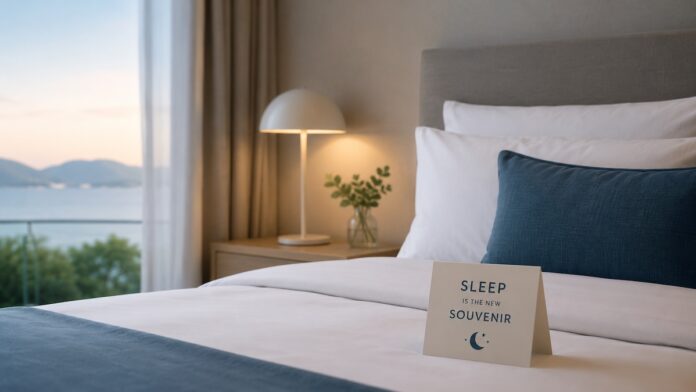
The hospitality industry, which focuses on travel involving hotels and resorts, has a new buzzword: sleepcations. The idea is to provide an environment where a traveler can better relax and get more sleep. Hospitality industry discussions seldom include topics related to travel with an RV, but they often lend insights.
Known as “sleepcations,” these trips emphasize rest and recovery rather than sightseeing or packed schedules. While the term has gained attention in recent years, the concept itself is not new. Wellness resorts and retreats have long offered programs and amenities aimed at improving relaxation and sleep.
Unlike traditional vacations, where rest is often a secondary benefit, sleepcations make quality sleep a primary objective. Hotels and resorts may offer sleep-friendly room designs, meditation sessions, reduced digital distractions, wellness treatments, premium bedding, and customized lighting or temperature controls.
We wonder if the sleepcation idea is relevant to the RV industry. We carry our beds and bedrooms with us, so what can we learn about vacations focused on sleep and relaxing that we don’t already know?
A break from our busy lives
Hospitality industry observers say several factors are driving interest in sleep-focused travel. Greater awareness of the health benefits of sleep, along with widespread use of wearable devices and health-tracking apps, has encouraged many travelers to prioritize rest.
At the same time, busy work schedules, constant connectivity, and information overload have left many people seeking vacations centered on recovery rather than activity.
The trend also reflects the continued growth of wellness tourism, which focuses on improving physical and mental well-being through travel experiences.
For hotels and resorts, sleep tourism highlights the importance of guest comfort. Improvements such as better soundproofing, high-quality mattresses, blackout curtains and flexible wellness programs may enhance the overall guest experience.
Experts caution, however, that sleep quality depends on many personal and medical factors beyond a hotel’s control. As a result, properties are encouraged to create environments that support rest rather than promise specific results.
Whether sleepcations become a lasting travel category or remain a niche market, the trend suggests many travelers increasingly value returning home rested and refreshed.
Would you say you return home from an RV trip more “rested and refreshed”? Of course, if you are a full-timer, then you really can’t answer that, can you? But for the rest of us, do we return home more rested and refreshed or just the opposite?
What about you? Please leave a comment.
RELATED
- I’ve finally discovered the best white noise machine for sleeping
- Does this sleep mask really provide better sleep?
- Reader writes, ‘I can’t sleep! Are campgrounds getting louder?’
RVT1266