


The National Park Service (NPS) has found high levels of toxic algae—called cyanotoxins—in the water at the mouth of Antelope Canyon, a popular spot on Lake Powell on the Utah/Arizona border. The levels are close to the upper limit of what’s considered safe for people and animals. The Lake Powell algae bloom is nothing to mess with.
Lake Powell algae bloom doesn’t close recreation
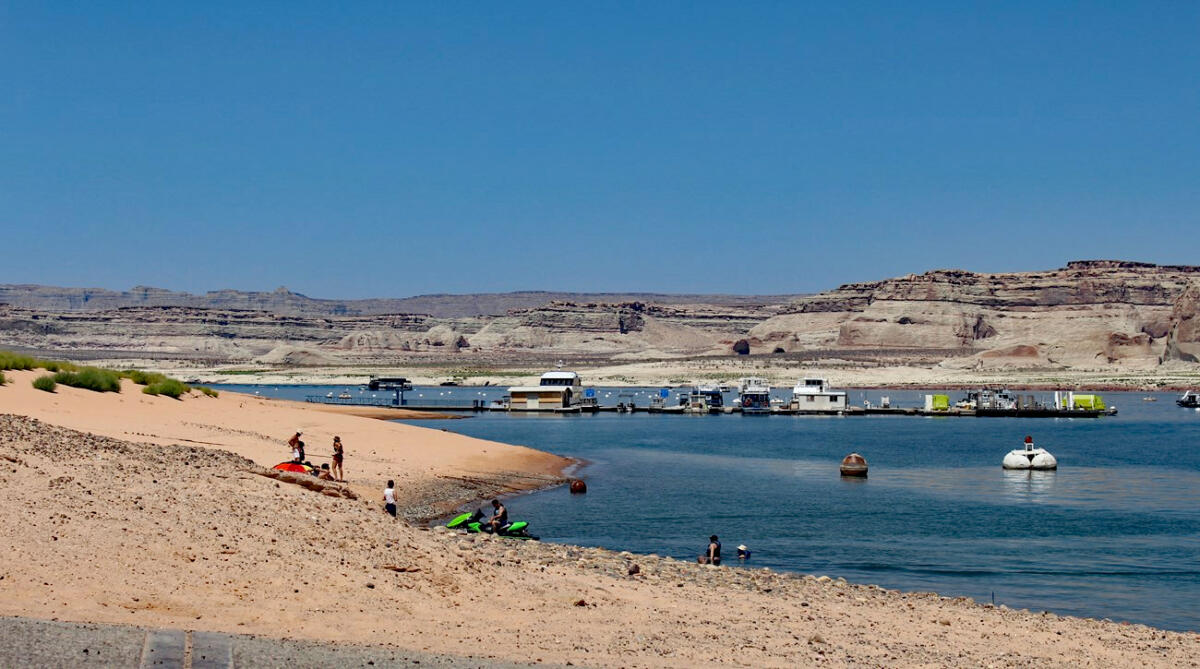
These toxins come from certain types of algae blooms, which can be dangerous to humans, pets, and wildlife. While the lake remains open for boating, fishing, and other fun, the NPS recommends using extra caution, especially in areas where the water looks discolored, foamy, or scummy.
Other parts of Lake Powell may also have these toxins, so it’s important to stay alert and play it safe.
Why it happens
Lake Powell’s algae blooms are more likely when the water is warm, calm, and full of nutrients like nitrogen and phosphorus. These nutrients can come from runoff—things like fertilizer or other materials washing into the lake. The type of algae that causes problems, known as blue-green algae, is naturally found in many lakes in Utah and Arizona. But under the right conditions, it can multiply quickly and form visible scum or mats, especially in shallow, warm areas.
Some algae are harmless—but others, like those producing cyanotoxins, can make people or animals sick.
Safety tips
To protect yourself, your kids, and your pets, follow these tips during algae bloom season:
- Don’t swim or wade in water that has visible scum or discoloration.
- Avoid boating, jet-skiing, or water-skiing in scummy water—it can release toxins into the air and you might breathe them in.
- Don’t let pets or livestock drink or swim in water that looks suspicious.
- Keep children away from scummy areas along the shore.
- Always shower off with clean water after being in the lake—whether or not you see algae.
- Rinse off pets immediately if they’ve been in the water, and don’t let them lick their fur afterward.
- If you catch fish, clean them with fresh, treated water—never lake water.
- Be sure to clean, drain, and dry your boat and gear after use.
- Watch for symptoms.
If someone—or a pet—has been in the water and then shows signs like nausea, vomiting, breathing problems, seizures, or other unexplained illness, seek medical or veterinary care right away.
The NPS water team is monitoring conditions and will continue testing. For updates and more information on the Lake Powell algae bloom, check the Glen Canyon Lake Powell Water Advisory page or follow Glen Canyon National Recreation Area on social media.
RELATED
- Utah’s famous Double Arch collapses after 190 million years
- Class A RV left in pieces after tow job goes wrong
- Here are the best “Dark Sky Parks” to stargaze in the U.S.
RVT1216b

Thank you for the information and warning, Russ and Tina! Have a great Independence Day and safe travels!