


Dear Dave,
I’m confused about the proper use of my trailer’s roof vents. I just read where it is important to maintain/replace the seals on these to keep in hot or cold air. Also I have read about insulating the roof vents. My question is this: Aren’t these vents supposed to be open when the trailer has people in it for fresh air to breath and to exhaust bad air? Are there any rules of thumb to guide us on how best to ventilate when cooking or using auxiliary propane heaters, etc.? —Ted, 2015 Starcraft
Dear Ted,
The roof vent can provide many benefits depending on the type and location, time of year, and your activity. Roof vent fans can spin in opposite directions so they can either exhaust inside air, or bring in fresh outside air.
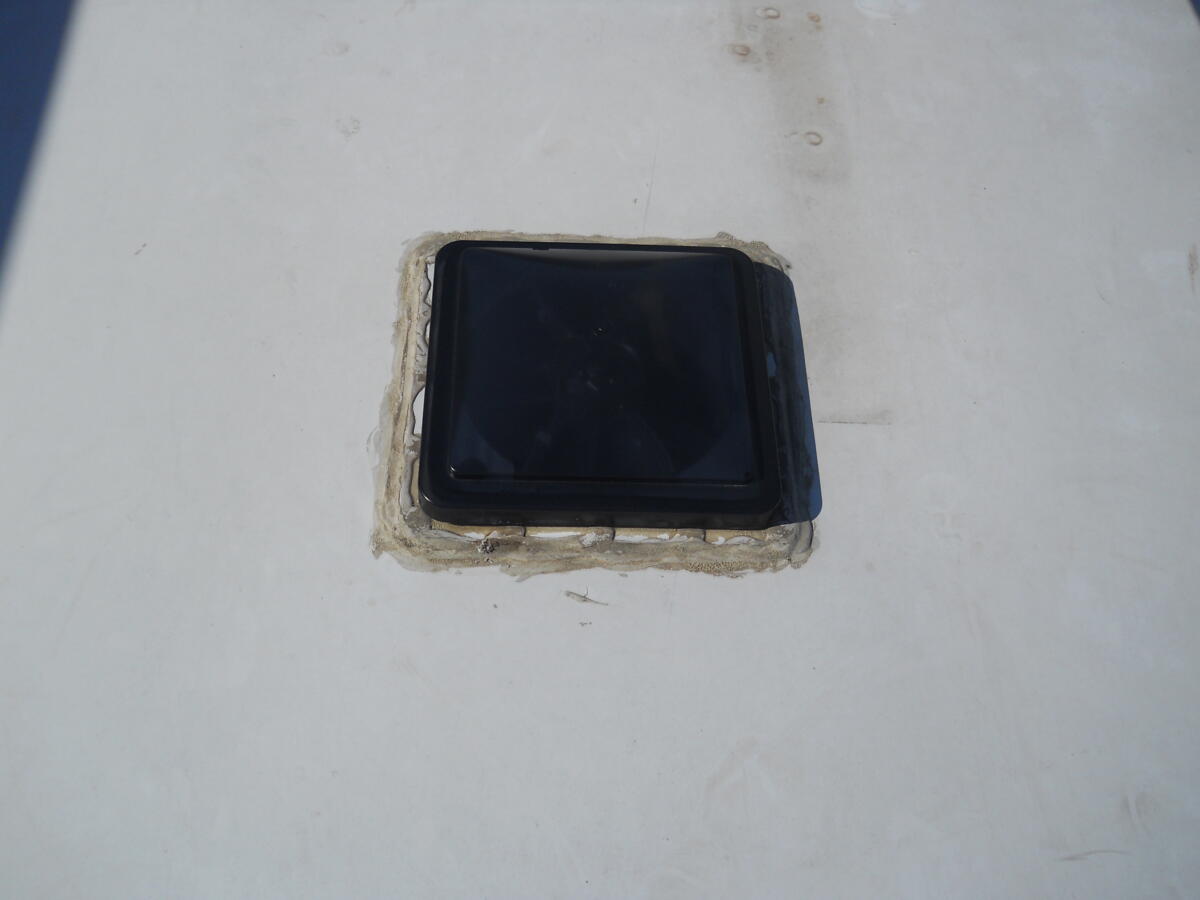
Where roof vents are typically located
Most manufacturers place one in the bathroom to exhaust odors, so sometimes these only spin in the exhaust direction. Other locations depend on the size of the unit, with one typically located in the living room/kitchen area. Longer units have one in the bedroom, if there is not a second air conditioner installed.
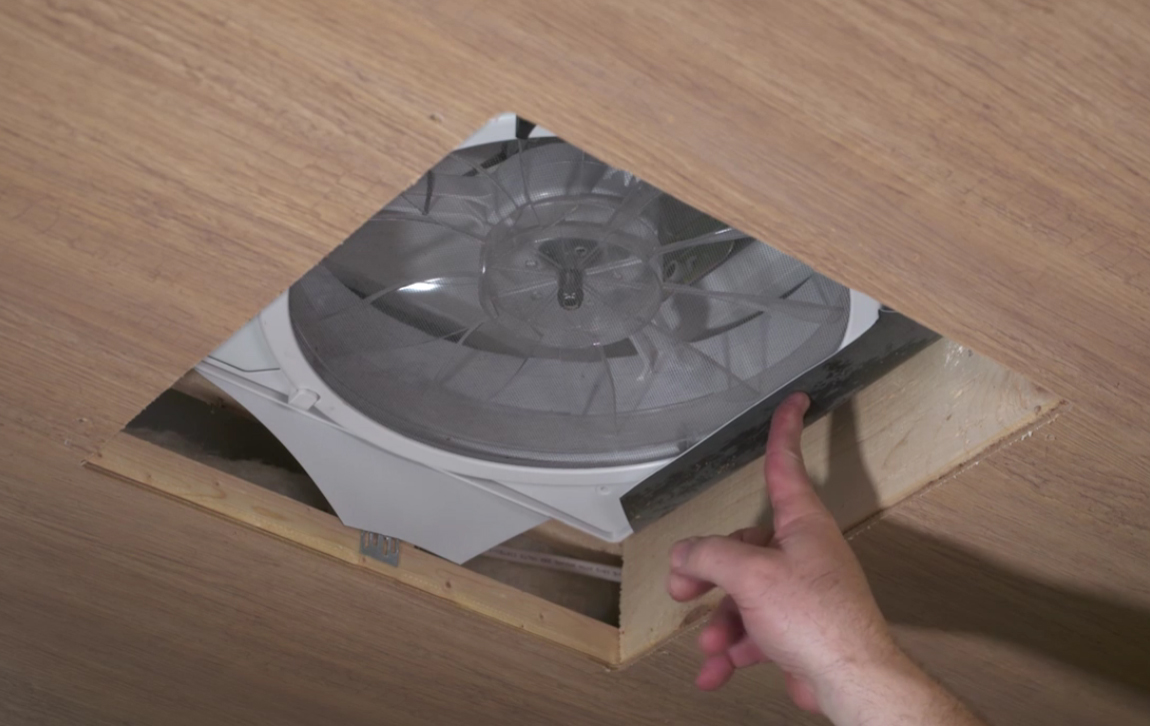
During hot weather, the roof vent is used to assist the air conditioner and refrigerator by exhausting warm, moist air out of the rig. A unit sitting in 80+ degree weather can get over 100 degrees fast. It would take a very long time for an air conditioner to bring the interior temperature down to a comfortable level. This will also help the refrigerator, as it doesn’t have to fight high ambient temperatures.
It can also be used to draw in fresh air if the rig is getting a little stale inside. Many owners like to open a side window and use the roof vent to draw in outside air through the window and have it flow through the rig and exhaust out the vent, as warm air tends to rise.
Use in winter months
In the winter months, the roof vent can help with condensation by turning it on for a short period of time and drawing out moist air. In my experience, it is best to have a small fan inside the rig to help circulate the air so all of the warm air doesn’t collect up at the ceiling.
As for cooking, most trailers have an exhaust fan built into the base of the microwave. Some are vented outside and less expensive models inside. Using the roof vent to exhaust cooking odors or smoke would be an as-needed situation at the discretion of the owner. My mother was notorious for burning everything, so a roof vent would be a good idea. I gave her a smoke alarm for Christmas one year and told her it was a cooking timer!
Use a roof vent cover
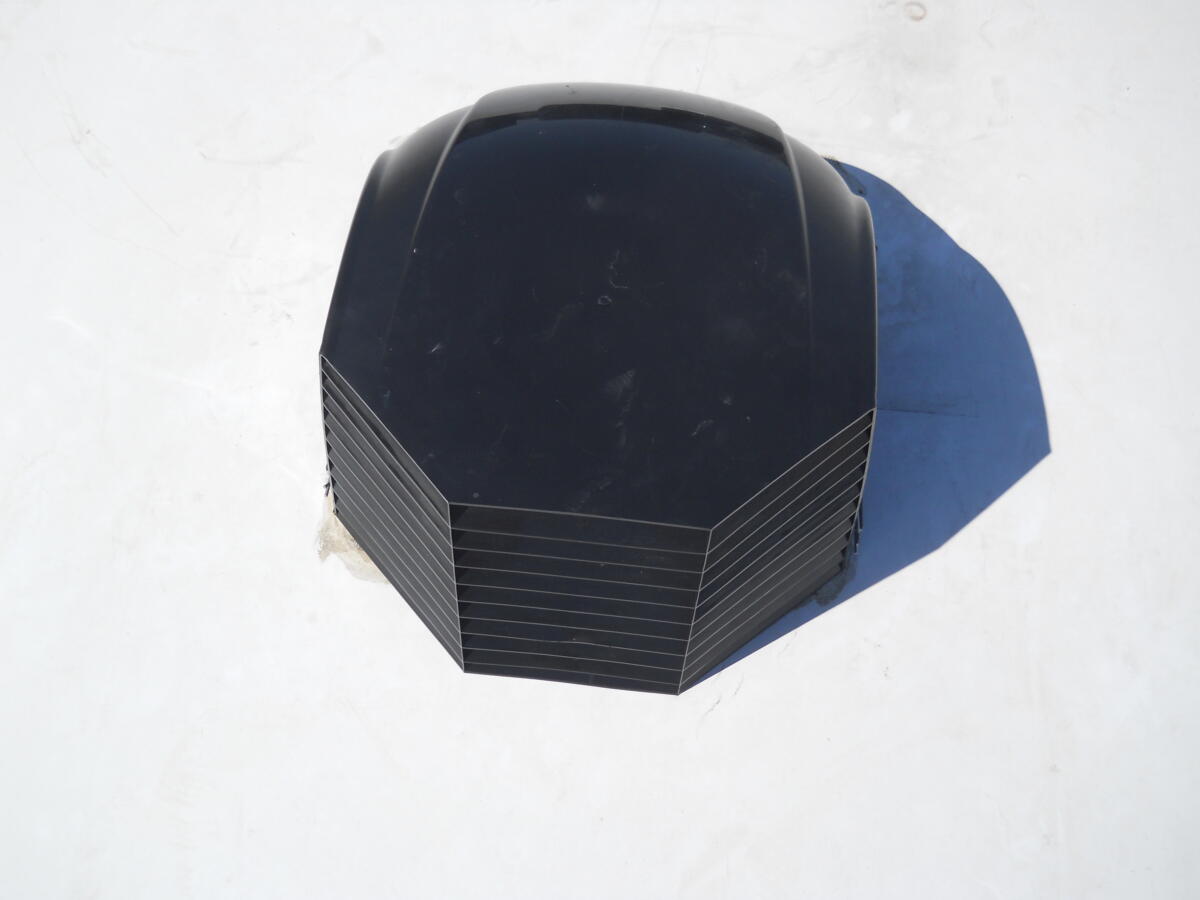
Another good option is to install a MaxxAir cover that allows you to keep the vent open during inclement weather or even traveling down the road. The airflow while traveling draws out heat inside the rig so it’s not a furnace when you get to the campground. You can find them on Amazon here.
So, basically it’s personal preference and what the temperature is inside and out. Let’s see how our readers use theirs.
You might also enjoy this from Dave
What sealants do you recommend for an RV, and what areas need to be sealed?
Hello Dave,
Love your RV help! I hear so much about inspecting your RV for sealant. Even though ours is under a roof most of the year, I have already had to reseal some of the seams on the roof with self-leveling sealant. I also see some of the caulking down the slide out seals looks like it needs to be redone.
Big question: What sealants do you recommend for each area of the RV? And what are the specific areas to look at? Also, along the edge of the roof, should the trim pieces be removed and resealed? We are pretty handy and don’t mind going on the roof, but we don’t want to do anything that’s unnecessary.
Thanks so much in advance. —Pam, 2019 Flagstaff 832IKBS
Dave Solberg is a leading expert in the RV industry and the author of the “RV Handbook.”
Read more from Dave here.
HAVE A QUESTION FOR DAVE?
Send your inquiries to him using the form below.
##RVDT2554

Loved the “cooking timer” story
Since we have a vent cover, we keep our roof vent open about an inch all the time, even when in storage.
Thank you, Dave! Had not considered running vent fans when traveling to a destination in hot weather. Thank you for the hint! Have a great day and safe travels! 🙂
We always open the vents when cooling down the RV on a hot day. The cool air from the air conditioning falls and the hot air goes out the vents. Once the RV starts to cool down we close the vents and use the insulation squares for vents to keep the cool air in.
MaxxAir cover is the way to go.
Vent covers are the 1st modification I make to a unit if they don’t already have them. I always leave a vent cracked when an RV is in storage. Brix & stix all have fulltime attic vents to equalize humidity and prevent condensation. Wet insulation promotes mold. Tightly closing a RV will also promote interior condensation and mold. I would much rather wipe up some extra dust than repair a lot of rot.
I replaced the Fantastic kitchen ceiling fan with a deluxe MaxxAir reversible and with a remote; I mounted a remote holder to the instrument panel and in the kitchen. I also replaced the screaming mimmi bath fan with a MaxxAir and wired it to the wall switch. They are virtually silent. Bath fan on low can run all nite and also with the bedroom window open.
I am going to buy a “cooking timer” – heaven knows I need one; before the flames erupt!