

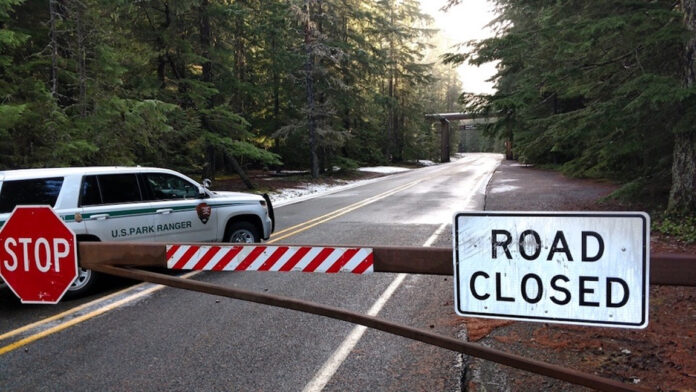
Unless Congress passes a funding bill, the federal government will shut down on October 1, 2025. For RVers, the impact of the shutdown could be significant, raising questions about whether national parks and public lands will remain open—and in what condition travelers might find them.
History shows impact of shutdown on RVers
Government shutdowns have a long record of disrupting national park access. In 2013, the Obama administration closed all 400-plus parks, monuments, and historic sites, turning away millions of visitors. The Park Service estimated that closure cost gateway communities more than $500 million in lost spending, a heavy blow to small towns that rely on tourism.
By contrast, the 2018–19 shutdown under President Trump kept parks technically open, but with limited staff. The outcome was messy: Visitors cut new trails in sensitive soil, trash piled up, gates were pried open, and one off-roader destroyed an iconic Joshua tree in California. The longest shutdown in U.S. history lasted 35 days, leaving parks vulnerable to both vandalism and safety hazards.
States have sometimes stepped in. Utah, hoping to protect its tourism economy, spent $1.7 million during the 2013 shutdown to keep its crown jewels like Arches and Zion open. Similar deals were struck before the 2018–19 shutdown. But not every state has the resources or political will to take that route.
What to expect this time
The National Park Service has contingency plans in place. Generally, parks will close during a lapse in funding. If the shutdown begins midweek, visitor services would wind down immediately. If it starts over a weekend, operations would continue until the following Monday to allow for orderly closures.
Exceptions will be made for law enforcement, emergency response, and other functions deemed essential to protect life and property. Some permitted events may go ahead if they don’t require staff monitoring. Still, the NPS advises that “the public will be encouraged not to visit National Park sites during the period of lapse in appropriations.”

That means RVers planning fall trips—whether to Yellowstone, Zion, or leaf-peeping destinations like Colorado’s Maroon Bells—face major uncertainty. Trash collection, campground maintenance, and restroom cleaning could stop almost immediately. Reservations booked through Recreation.gov may be canceled depending on each park’s policy.
RV camping during government shutdown: strained parks and fewer staff
Even before talk of a shutdown, parks have been operating with fewer hands on deck. Budget cuts and a 24% reduction in staff have strained day-to-day operations. Some sites now rely on only a handful of rangers to handle thousands of monthly visitors.
“There’s simply no way to protect the natural resources, protect the wildlife, and protect the visitors without staff,” said Aaron Weiss, deputy director of the Center for Western Priorities.
Will Roush, executive director of Wilderness Workshop, argued that local decisions would serve parks better than sweeping political directives. “Let the local land managers decide what’s best for the local public lands in the case of a shutdown,” he said. “And don’t impose top-down, politically motivated actions that can be detrimental to public lands and local communities.”
Superintendents call for closures
A group of 40 former national park superintendents recently urged Interior Secretary Doug Burgum to close parks if a shutdown occurs. They pointed to past damage and the dangers of leaving parks understaffed.
“Leaving parks even partially open to the public during a shutdown with minimal—or no—park staffing is reckless and puts both visitors and park resources at risk,’’ the former officials wrote.
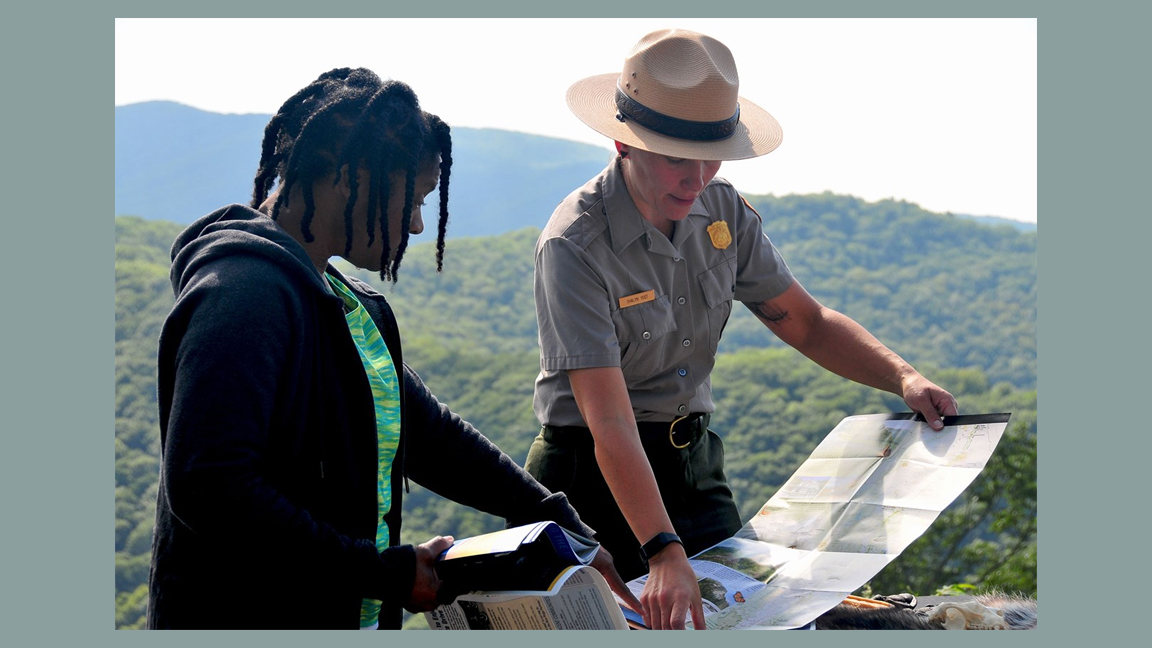
They emphasized that everything from trail upkeep to visitor education depends on NPS employees. “National parks don’t run themselves. It is hardworking National Park Service employees that keep them safe, clean and accessible,” the letter stated.
Emily Thompson, executive director of the Coalition to Protect America’s National Parks, underscored the point: “We don’t leave museums open without curators, or airports without air traffic controllers, and we should not leave our national parks open without NPS employees.”
What RVers should do now
The impact of a shutdown on RVers isn’t just the risk of arriving at a closed gate. It’s entering a park where safety and sanitation are compromised—where trash goes uncollected, restrooms aren’t maintained, and rangers aren’t available in an emergency.
Past shutdowns have shown that RVers may need backup plans, such as identifying private campgrounds or state parks nearby. Those sites often see an uptick in demand when national parks close, so booking early is wise. Travelers should also keep an eye on Recreation.gov for updates and review cancellation policies. The National Park Service website will post official announcements, and local park social media pages often provide the quickest updates on closures or limited services.
As the former superintendents put it, “If sufficient staff aren’t there, visitors shouldn’t be either.” Until Congress acts, anyone planning a fall RV trip to a national park will need to prepare for uncertainty—and possibly reroute to ensure both safety and a smoother experience.
Sources include USA Today, and OPB.org
RELATED
- How a government shutdown could affect your RV trip to national parks
- Visitors may not see the strain, but national parks are operating with thinner teams
- National parks face devastating cuts, with majority in jeopardy
- Interior Secretary orders national parks to stay open amid staffing cuts
- National park visitors face reduced access and services across the country
RVT1229b

People who have paid reservations are apparently out of luck (unless they purchased trip cancellation insurance). The first of October is a risky time to try to schedule a trip to any national park. In January, 2020 we were attending an Entegra Owners Association get-together at the BLM campground in Quartzsite. The officials just walked off, leaving the area open without anyone having to pay. The garbage wasn’t collected but the water and dump stations still functioned.
Really enjoyed reading your article on this situation, Russ and Tina. Informative.
Its a tough thing for a lot of (not all) our National Parks and generally, it is an inconvenience for many of the NP work force as well as being painful financially for private sector in the Gateway communities. Hopefully this will be a short shutdown.
Happy trails 😎 ✌️