

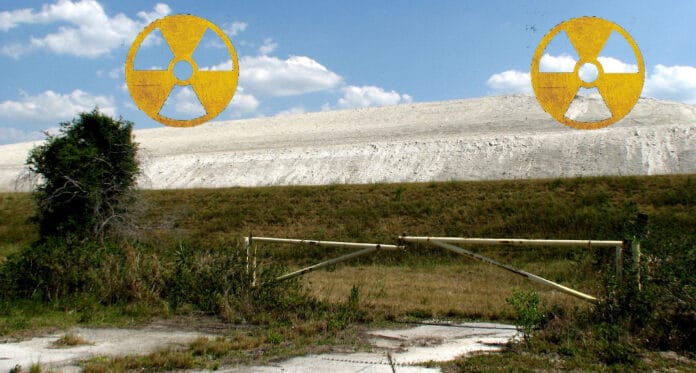
It might be considered a cost-saver: Last month, Florida passed a law to force the state’s highway department to conduct “demonstration projects” using phosphogypsum as a roadway material. Critics decry the idea of creating what they call “radioactive roads” with a fertilizer industry byproduct that at least one federal agency says emits radon gas. While the headline is tongue-in-check (phosphogypsum is not phosphorescent), there’s still plenty of controversy about the suggestion.
Why does Florida want “radioactive roads”
So just what is phosphogypsum, and how is it that Florida lawmakers want it on roadways? A key ingredient in plant fertilizer is phosphorus from phosphoric acid. That’s made by dissolving phosphate rock in sulfuric acid. The byproduct of the process is phosphogypsum, that there’s a lot of it. For every ton of phosphoric acid produced, industry says 5.2 tons of phosphogypsum is made.
While gypsum is widely used in the construction industry, phosphogypsum is considered the ugly stepsister. That’s because the latter contains naturally occurring radioactive elements including uranium and thorium, and their daughter isotopes radium, radon, and polonium. It costs too much to remove the radioactivity from phosphogypsum, and so most of it is dumped in enormous piles called stacks, where it sits, waiting for a potential safe use, sometime in the distant future.
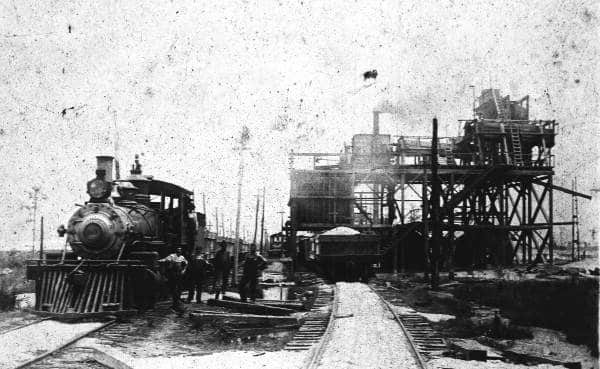
So why do the so-called “radioactive roadways” have such an attraction to Florida lawmakers? Florida is blessed with being the largest producer of phosphogypsum in the country. Estimates say Florida is home to some one billion tons of the stuff, put up in “gypstacks,” some covering hundreds of acres and as tall as a five story building. They don’t have a particularly good reputation.
Two years ago, at Piney Point, Florida, a leaky containment liner at a gypstack caused a crisis, threatening to create a collapse. To prevent that, 215 million gallons of waste water from the gypstack were pumped into Tampa Bay. Happily, the water was not radioactive, but was loaded with nitrogen and phosphorous. There were concerns the load could create a toxic algae bloom and fish kills in the waterway.
Creative thinking
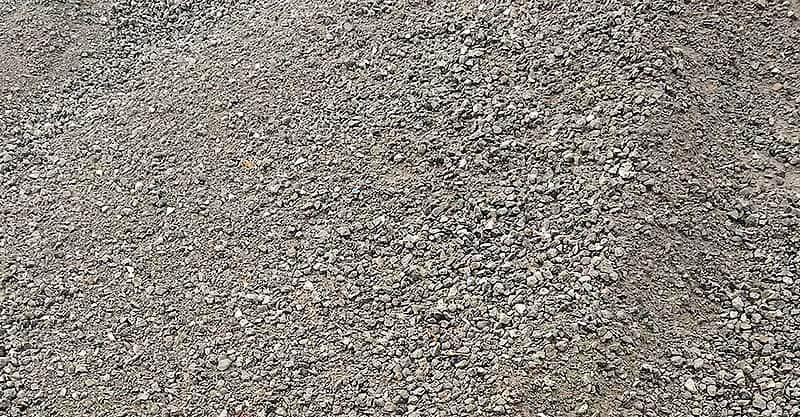
With some billion tons of phosphogypsum hanging around in Florida, creative thinkers went to work. Why not use the stuff as an aggregate in roads, much like gravel, sand, or crushed rock? Much cheaper, and a great place to “off” the fertilizer makers’ unwanted byproduct. The Tampa Bay Times suggests that might have been part of the reason that a major fertilizer manufacturer, Mosaic, hosted a political fundraiser for the legislative bill’s sponsor.
The bill, signed off by the state’s governor, says that the Florida Transportation Department must conduct “demonstration projects using phosphogypsum in road construction aggregate material to determine its feasibility as a paving material.” That must be done by April of next year. But any future radioactive roadways currently face a roadblock of their own. According to comments made to news network NPR by the U.S. Environmental Protection Agency (EPA), “Any request for a specific use of phosphogypsum in roads will need to be submitted to EPA, as EPA’s approval is legally required before the material can be used in road construction.”
Two sides to the “radioactive roads” issue
Concerns about using phosphogypsum in “live” roadways include fears about the potential release of radon gas. A statement on the EPA website notes this about radon gas: “Breathing radon over time increases your risk of lung cancer. Radon is the second leading cause of lung cancer in the United States. Nationally, the EPA estimates that about 21,000 people die each year from radon-related lung cancer. Only smoking causes more lung cancer deaths.”
A fertilizer-trade support group, the Fertilizer Institute, begs to differ. While radon gas is associated with an increase in lung cancer, it’s often associated with trapped air. Think residential basements. The institute contends that an analysis which it paid for shows using phosphogypsum in roadways “can be done safely and results in doses that are a small fraction of those arising from natural background radiation.” The Institute says radon doses where phosphogypsum is used as a roadway aggregate wouldn’t produce radiation above EPA levels of acceptability.
Don’t look for “glow in the dark” roadways in Florida anytime soon. Keep your headlights on. Watch while interest groups duke it out to see if there really is radioactive roadway in Florida’s future.
##RVT1113b

It’s worth investigating. I hope the proof-of-concept test can move forward. IF it can be done safely, it would be better than the enormous stockpiles where it sits currently.
Where are the health records of the workers at the existing piles of this stuff layin out in the open.
I grew up across a river from that stuff and if the wind was right you couldn’t leave your house. [bleeped]
This smells of political B.S., since Gov. Desantis is a thorn in bidens side, every government function is against anything FL.
Our government will say anything thats in their best interest, But if you did it 1st they would cite you with a large fine.
And there is less radon in the environment when sitting in open piles? Further interested in residual phosphorus that might be leached out of roads from run-off. Either way, the best way to find out is to build test sections of roadway and monitor – let the EPA have open access to the test data. If it works, it is a successful recycling project. If it doesn’t, then we know with little harm done before wide-spread use.
+1 (You stole my answer.)
I agree. Intuitively it seems that encasing it in concrete as an aggregate would be good but within the study, monitoring the curing concrete to ensure the levels emitted during the exo-thermal cycle of the curing, is where the highest risk or greatest release causing the most exposure risk would result.
I love this type repurposing and hope that it turns out to be an acceptable repurpose.
Is it any good as an aggregate. I worked at a quarry where once we got down to a certain level the limestone no longer was approved for road construction,including the making of cement. Cement is the stuff that makes concrete for those that think roads and sidewalks are cement.
If approved will the aggregate be given to construction companys to get rid of it?
Just another reason not to live in or visit Florida… there’s so many reasons.
I know, right? Darn those recyclers and
re-users trying to pragmatically repurpose something in Florida. Don’t they know anything out there. How dare they not just be silent lemmings. Next they will want to have charter schools, and ladies rooms and other dangerous things like freedom.
Almost all aggregates, which are normally made from crushed granite or other rock materials, emit small amounts of radiation. So, the question is how much more (or less) will the gypsum emit?
Apparently there must be some left wingers in the staff, my comment that implied this practice and EPAs ruling were retaliation for FLs governor’s anti left wing opinions didn’t get published, oh well just another tid bit of the demented minds they have.
FYI, it’s back. It inadvertently got trashed with a batch of derogatory comments that came in at about the same time and got trashed. Sorry, Bob. Have a good day. 🙂 –Diane at RVtravel.com
Does Ronny D have to use recycling since he spends all the states fighting against a mouse?
Most of the replies were solutions based and pragmatic. I mean, why not re-use it if it’s possible and safe? Seems to check a lot of boxes on both sides of the aisle. L and R.
Thank you! Interesting stuff. It is hot enough in east Tennessee that I haven’t any plans to travel to Florida for a while. St. Augustine and the Keys do beckon though. 🙂