

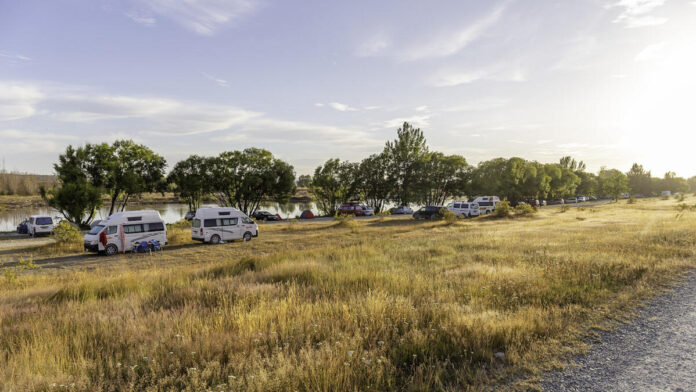
If you’re a stateside RVer with RVing in New Zealand on your bucket list, listen up. Freedom camping is what they call boondocking in the Land of the Long White Cloud. But freedom camping has come under a cloud of its own, and new regulations will dramatically reduce the number of camping rigs used there.
Freedom camping may have become too popular
Freedom camping in New Zealand has much to be said for it. Wonderful scenic vistas. Friendly folk. And hundreds of boondocking spots. With a strong U.S. dollar (100 of those buys 160 New Zealanders), it’s popular. Perhaps freedom camping is too popular. Tourists from around the world flock into New Zealand and rent campervans for exploratory trips.
Sad to say, some of those tourists have done their bit to make tourism an ugly word. Last month, freedom camping laws changed up—and will continue to change. Any vehicle used for freedom camping must now meet certification. You guessed it, that certification primarily involves sewage disposal. Porta-potties are now verboten. “Fixed” and plumbed-in toilets are required. A lot of campervans have suddenly been x’d off the list of acceptable RVs.
16 months to implement
However, the December date was the start. It will take a full 16 months to complete the changeover. To stay at a freedom camping site, rigs will need a permit, one that indicates the unit is self-contained.
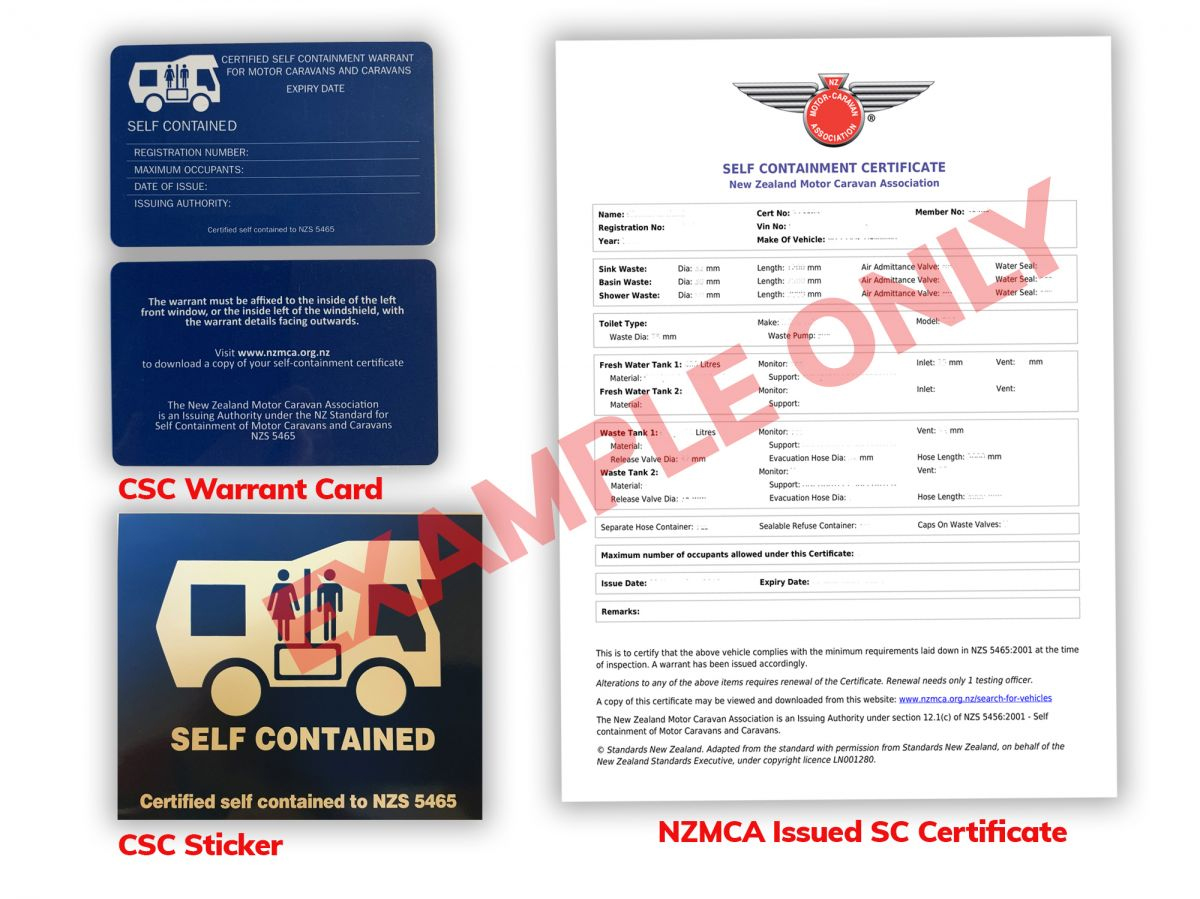
Says the New Zealand Motor Caravan Association (NZMCA), a self-contained vehicle is able to “meet the ablutionary and sanitary needs of the occupants for a minimum of three days, without requiring any external services or discharging waste.” That obligatory on the ablutionary used to satisfied with a porta-potty, some kind of container of fresh water, and a gray water container.
Under the December rule, fixed toilets are a must. Water and ventilation also plays into the mix. If the rig meets the requirements, then it gets a green sticker, meaning, certified self-contained. Implementation dates can be sticky.
You can rent an existing “blue” sticker rig at present—even if it has a porta-potty. From December 7, 2024, though, all rental vehicles certified as self-contained will need to have a fixed or plumbed-in toilet and a green sticker. After that date, only vehicles with fixed toilets and green warrants will be eligible to freedom camp, unless otherwise stated by local council bylaws. You can still rent an uncertified rig, but you won’t be able to freedom camp. You’ll be stuck with a paid campground situation. Blue sticker rigs are eligible until their expiry date or June 7, 2025, whichever comes first.
Cheating can be costly
There’s been some discussion that some might try—or have tried—phonying up the correct-colored sticker, without meeting the certification requirements. It hasn’t happened yet, but the country’s Ministry of Business, Innovation & Employment will be launching a registry. That system will allow people to verify whether a vehicle is self-contained under the new requirements.
There are some teeth in the new freedom camping rules. Violation of freedom camping regulations carries a fine of up to NZ$2400. Even with the favorable exchange rate, $1,500 U.S. can buy a lot of nights in a campground.
##RVT1139b

Not surprising. There are RV dry camping campgrounds in the US that also require holding tanks fixed to the vehicle. No RV porta potties or tote tanks allowed. It is more about storing wastes than disposing of them.
Thank you, Russ and Tina! New Zealand is on DW’s “bucket list,” but she will not do it in an RV (I’m pretty sure, but I guess we’ll see). 🙂
We spent six weeks in a class C on the South Island of New Zealand. One word – Awesome. The people there are incredibly friendly. If you ever have a chance, go.