

By Cheri Sicard
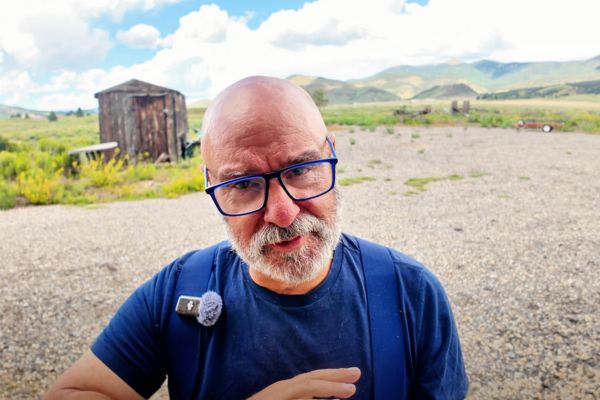
So many dream of RV life after 60, but fears and doubts often get in the way. In this post (and video at the bottom of the article), Rob from Travels with Dottie shares how he broke free from routine, faced his own worries, and built a life on the road. This isn’t just a story, but a reminder that you’re not alone—real people are doing this, and their experiences can inspire others to do the same.
The idea for Breaking the Chains After 60: Facing the Fears of RV Life came from a thoughtful email Rob received from a viewer. He often gets video suggestions, but felt moved by this one. It wasn’t just about content; it was about real concerns and questions that many have when thinking about RV living later in life.
The journey didn’t start with a dramatic decision. Rob had a 27-foot Nomad trailer he used rarely until a sudden housing loss in Northern Virginia pushed him to move into it full-time.
Community and mentorship in the RV world
Connections matter. Rob found inspiration from Debra Dickinson’s YouTube channel and her history with Bob Wells of Cheap RV Living. These stories made the dream feel possible and gave Rob firsthand tips. Watching others on YouTube, reaching out to Deborah, and talking to fellow nomads turned uncertainty into confidence.
Crunching numbers was key. Rob didn’t have a pile of money, but tackled retirement with planning and honesty. He built spreadsheets and mapped out every penny so he knew when he could retire comfortably. His income sources included:
- Fairfax County pension after 5 years of service.
- Smaller pension from earlier work at Neiman Marcus.
- Social Security starts at 62.
- Side income from online counseling as a licensed therapist.
- YouTube channel earnings.
Careful budgeting and saving—like moving from a pricey apartment to an affordable RV spot—allowed Rob to hit the road debt-free.
Big moves bring fear of failure, loneliness, and doubts about what others might think. Rob worried about whether his finances were solid, if his friends would judge, and how being far from family might feel. One safety net that helped: his job let him come back within a year if he changed his mind, clearing much of the anxiety. Not everyone has that, but it helps to ask.
First steps to try RV life
Rob got serious about downsizing. He gave away, donated, or tossed anything that didn’t fit in his RV—twice, when downsizing from 27 feet to a 21-foot Winnebago. Picking the right rig matters, too. Here’s a quick look at different options:
- Compact car/micro van: Some, like Adventuring with Amanda, live happily in minivans.
- Travel trailers: More space, but towed by a truck or SUV.
- Class A RVs: Big, comfortable, but risky and costly if they break down.
- Small trailer + pickup (Rob’s setup): Lower risk, manageable repairs, easy to move and park.
Rob shares horror stories of friends facing $9,000-plus repairs on used Class A rigs. Buying smart and maintaining flexibility can make things smoother.
It helps to get a taste before a full commitment. Rob lived in his RV while working. Others rent or buy used RVs and take weekend trips for practice, learning if small-space living suits them.
Emotional letting go and redefining identity
Leaving a long-held identity behind surprised Rob. He let go of being defined by his job—firefighter, paramedic, counselor—and became a retired RV nomad. At first, “impostor syndrome” set in. Was this for real? But the downsized life brought freedom and less stress. Success now means pockets of joy and daily connection, not job titles.
Rob finds purpose in meeting new people and connecting with the communities he visits—Eagle Nest, NM, Artesia, NM, Quartzite, AZ, and beyond. Local volunteering and talking with viewers add meaning. As he says, “My success is measured by how much joy I feel each day, not by my career path.”
You don’t need special skills or to be a camping expert. Rob admits he learns as he goes and calls on friends or pros when needed. Nearly four years on the road have only made things better.
If RV life speaks to you, know that others have felt your doubts and moved past them. Maybe soon, you’ll be out there too.
RELATED
- Comparing the top five best campervans for seniors
- Essential RVing tips for seniors
- How senior adventurer deals with solo camping fears
- Tips for solo RVers to feel safe while RVing
- 38 years as a solo female nomad: Living large in a 4X4 pop-up
RVT1222


It all depends on both your actual health and your perceived health…
81 on the road again.
80+ Also! “OTRA” has been our montra for since 1970! (On The Road Again)
I’m now on the down-hill slide to 75 and my bride has recently retired. After my upcoming second shoulder replacement recovery, we’ll be taking week-long trips (or probably longer) to see our country (I’m retired Air Force and we spent a total of 9 years in Europe).
My wife and I started RVing in 2012. We have seen some of the most beautiful and incredible parts of this country! Since we are exploring in our RV, we can stop and spend time in these places. We are both moving into our 70s. We both say that we plan to continue this lifestyle as long as we possibly can. We are always excited about our next stop.
Overcoming fear: Do your research, rent the type of RV you think you want to buy first, buy your third RV first, be open to unexpected challenges – RVing requires a flexible attitude and mindset because there are surprises, good and bad. A positive attitude will get you through the challenges The rest is just a whole lot of fun!
Good for Rob, but his YouTube channel wouldn’t be the type I like to watch. I don’t care for woo-is-me channels, nor do I care for the wealthy costs don’t matter YouTubers. I want stories of being on the road, destination ideas, and simple every day entertainment.
What makes me wonder is what happens if I have a medical emergency or pass away. While I have AAA RV roadside assistance. My wife isn’t capable to do the mechanics of getting the TT ready to transport it from the campground.
There are companies which provide insurance for emergency medical flights and transport of RVs ‘home’. As far as hitching up, I guarantee you that kind fellow campers or hosts would help her if disaster struck.
I agree completely. Someone in camp would help your wife and you can prepare for medical emergencies. RVers in general are kind and helpful.
Join the FMCA (now the Famiy RV Association) Mrpavet. One of the benefits is in the circumstances you mentioned, they will move your RV back home and transport your loved one (pets too) back home. https://mail.fmca.com/medical-and-travel-assist
What fears? 85 & 82 going into our 20th year of RVing. We love the freedom and nature experience of RVing.
RVing after 60. I didn’t start until I was 40. Now, instead of being able to drive 12 hours to a destination, I never drive past a max of 3 hours or 300 miles. I find other camping places to spend 1-2 nights before getting to my destination and the same coming home.
Thank you for drawing my attention to this video and summarizing it, Cheri! I was especially intrigued by him working in Northern Virginia. Turns out he lived and worked somewhat near where we did. Do find it interesting that he made no mention of Fairfax County’s personal property tax, or if he strategically stored his RV to lessen the tax. Have a great week and safe travels!
Sixty? That’s really, really old. Nursing home time.