


Dear Dave,
I have come to the conclusion that most RV campgrounds have very poor water quality. It is either very hard or even contaminated, leaving me scrambling for a good water source. Is it OK to fill up at home before leaving and travel with a full fresh water tank? —Glen, 2024 Jayco JAY FLIGHT SLX 210QB
Dear Glen,
This is has become a popular topic of discussion lately, as water quality at the campground source has become increasingly worse, for some reason. Most campgrounds are located in remote areas far from the municipal services of a town, especially a water treatment plant. They must use water from a well and rely on the underground source, which is almost always hard water.
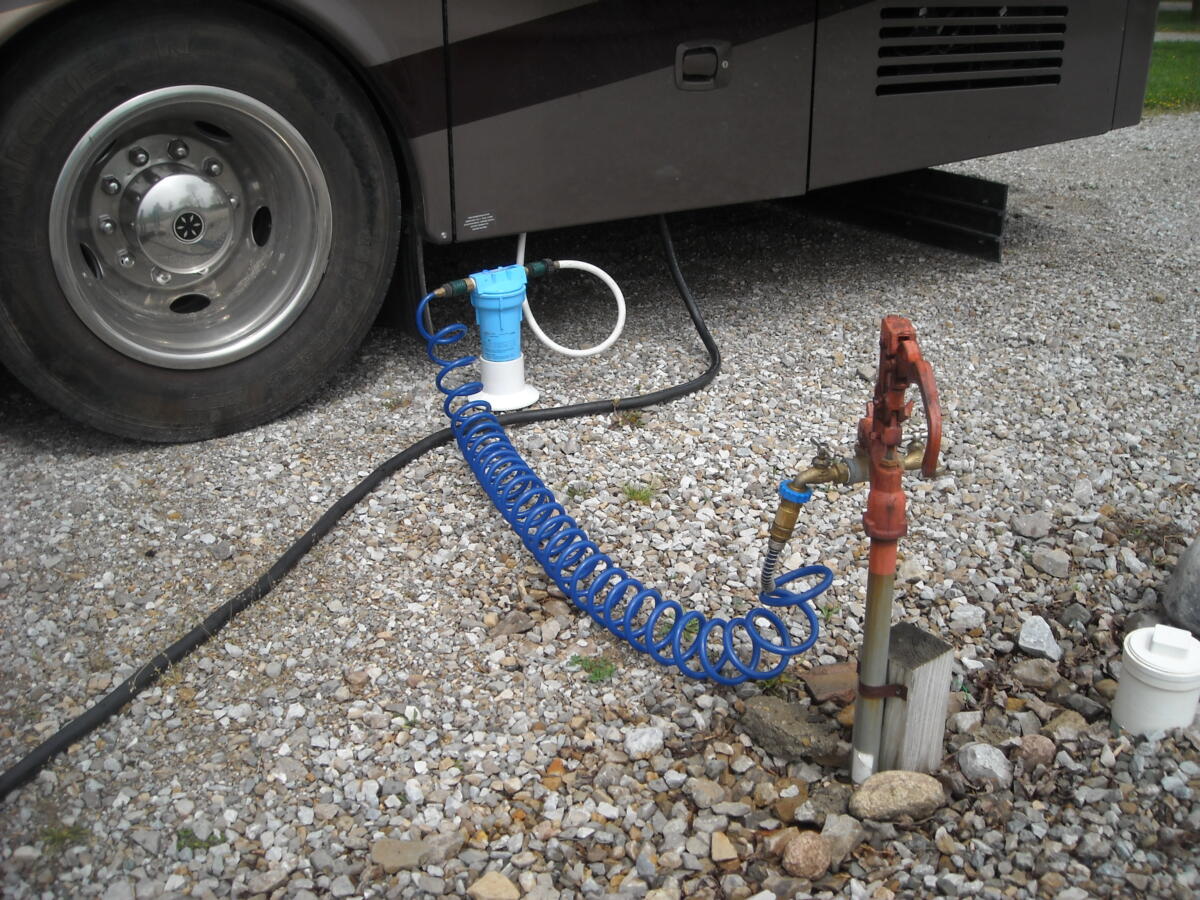
How water is treated in a municipal water system
In a municipal water system, the treatment plant will draw water from the main well and treat it for coagulation, flocculation, sedimentation, filtration, and disinfection. The first step is to add chemicals like salt or aluminum to get dirt and other small particles to bind together and be removed. The water is then gently mixed to form “flocs,” which are larger, heavier particles that float to the bottom. These are then separated and removed during the sedimentation process.
Then the clear water is sent through several filters with different pore sizes that remove parasites, bacteria, and viruses. Extremely fine filters remove dissolved particles such as dust, while charcoal is used to remove tastes or smells.
The last step is often disinfection, which can be done in several ways, including ultraviolet exposure or using chemicals such as chlorine, which are all designed to kill any remaining germs or viruses. Some municipal treatment plants add fluoride and adjust for pH, as well.
Well water
Well water can contain sediments like sand and clay, germs, chemicals, and toxins. And since it is hard water, it will have calcium and lime, which can build up in your fresh water system and clog the pipes.
This all sounds pretty horrible. However, campgrounds that provide “potable water,” or drinking water, must adhere to the Safe Drinking Water Act (SDWA), which is a federal law dictating national standards for drinking water quality.
The Environmental Protection Agency (EPA) sets the national baseline. Individual states enforce the rules and may have additional regulations. Campgrounds are required to have water tested by a certified, licensed inspector and post results annually.
However, these regulations do not cover water hardness or pH, and, as mentioned, are only conducted annually. Most RVer don’t use the campground source for drinking water. Rather, they bring bottled water and use the campground source for the toilet, shower, and other non-drinking functions.
Good idea to test and filter the campground water
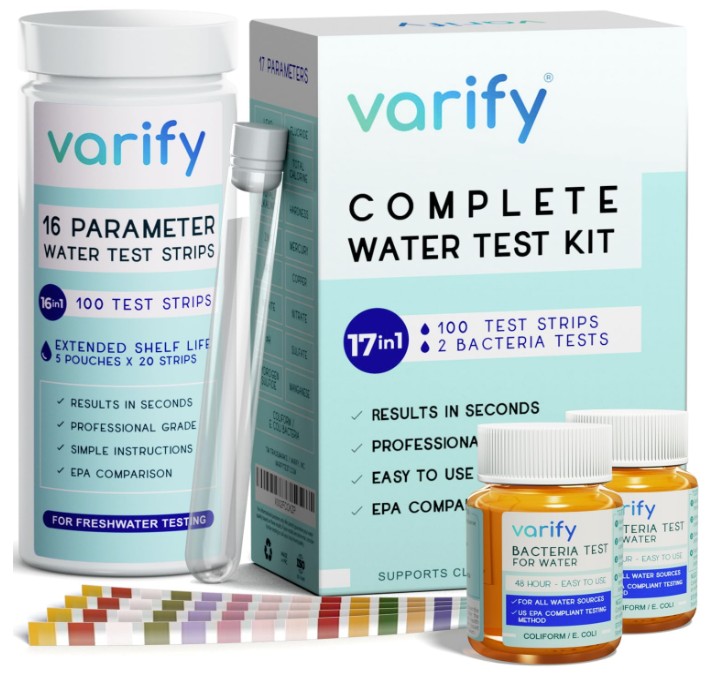
I personally like to test the water before hooking up to the campground source using this test kit available on Amazon here.
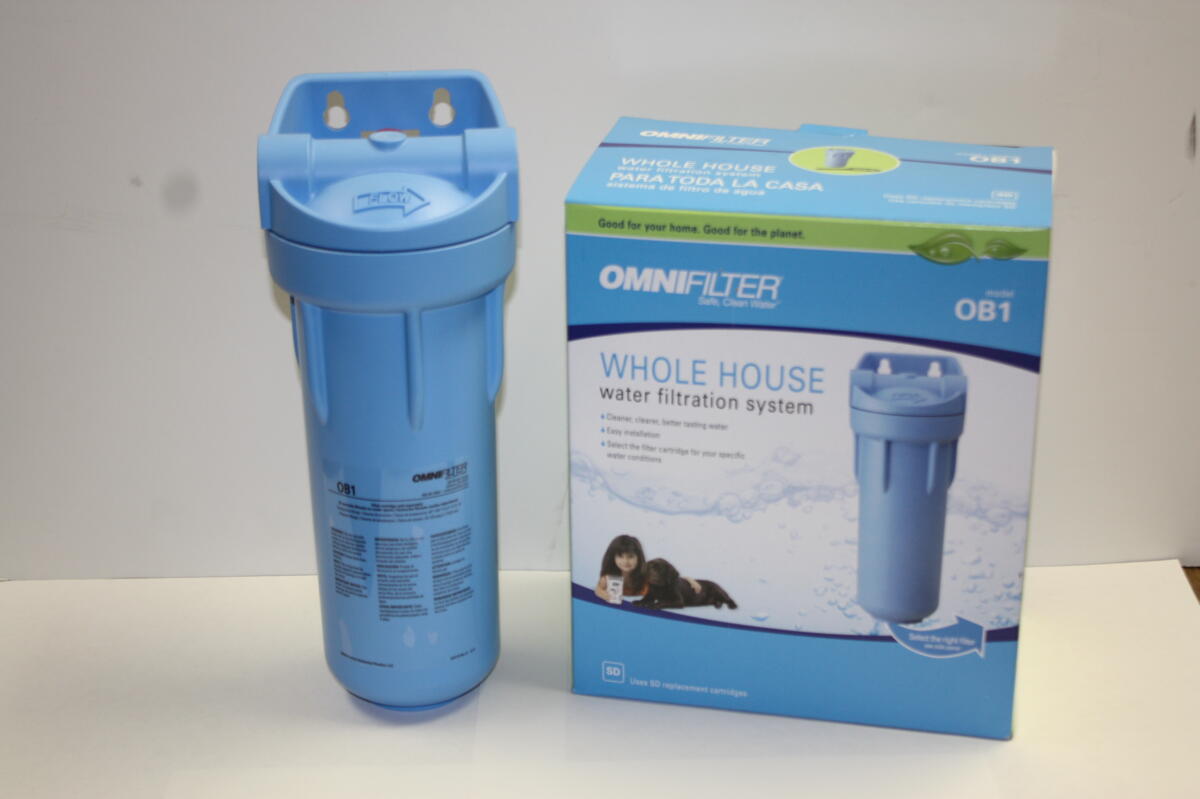
It is also a good idea to use a filter that will clear calcium, lime, and sediment from clogging pipes and faucets. I like the model that has a replaceable filter, as most campgrounds in my area have very hard water and just a couple trips require a new filter. They can be replaced with an inexpensive model found on amazon here.
Back to your question, should you travel with a full fresh water tank fill from home.
Pros
You know the water is high quality that has been treated by your local municipality and may also have fluoride and be pH balanced.
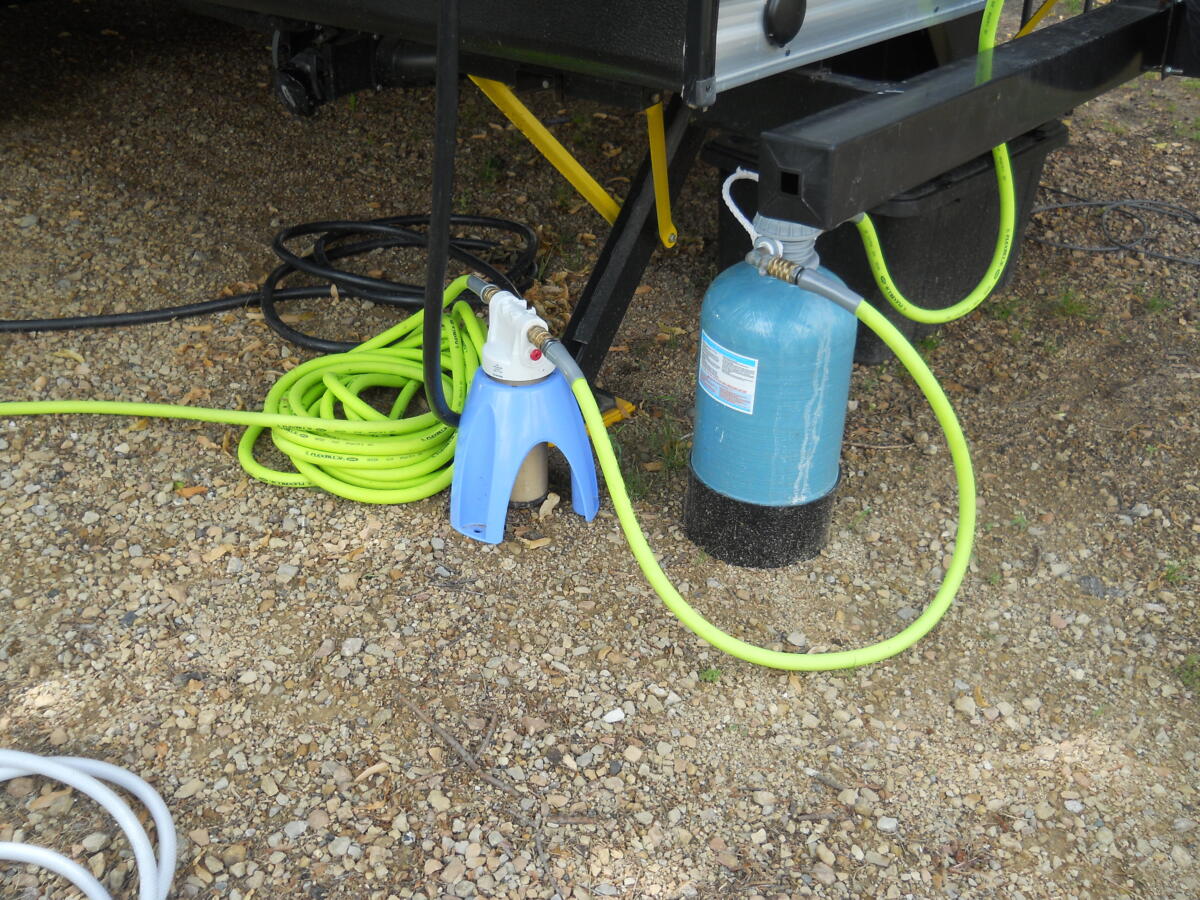
You can fill the tank with soft water from your system for better showering, washing hands, and especially if you have an onboard washing machine. Some RVers use the campground source with a filter and portable water softener.
You have water readily available if you are going to dry camp or boondock with no access for potable water.
Cons
Water weighs 8.34 lbs. per gallon. According to the specifications, your water tank has a capacity of 52 gallons. That means you are adding 433 lbs. of sloshing weight to your cargo carrying capacity.
Even quality water sitting in a plastic tank can get a bad taste and even go bad over time. Don’t let the water sit too long before using it.
Plan your trip
I typically take enough water in the fresh water tank to use the toilet a few times before getting to my destination, and then use the campground source. The more people traveling with me, the more water I bring.

For the ultimate water purification, I use the Clearsource filtration system, which you can find on Amazon here.
You might also enjoy these posts from Dave
- Beware damaging your RV with high water pressure in campgrounds
- How do I sanitize my RV’s fresh water tank through the filter?
- Your RV’s fresh water system: What you should know
- What are the red specks in my water from the campground?
DAVE HAS ANSWERED MORE THAN 1,000 readers’ maintenance and repair questions. Read a directory here. There is so much to learn!
Dave Solberg is a leading expert in the RV industry and the author of the “RV Handbook.”
HAVE A QUESTION FOR DAVE?
Send your inquiries to him using the form below.
RVDT2919

Thumbs up on bring bottled water. We only use campground water for bathing and flushing.
Traveling with pets, strange water can upset their systems in very messy ways.
I agree with Tom, we use bottled water or Primo refillable water. Campground or Fresh Water from our 100-gallon tank is only used for bathing and flushing. Also, we always travel with a full tank of water. With our Class A diesel pusher, it makes no difference in our fuel mileage whether the tank is full or empty.