

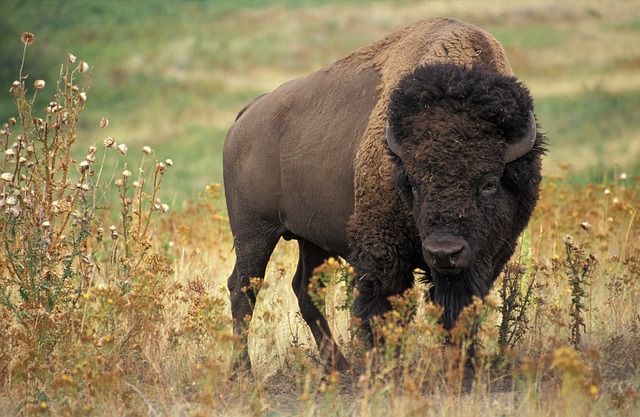
Social media has become an integral part of our lives, especially while vacationing. But the quest for the perfect selfie has led to some dangerous behaviors, particularly in places where wildlife roams free.
Recognizing this growing issue, certain destinations are taking steps to curb the trend of getting too close to animals for the sake of a photo. Jackson Hole, Wyoming, is one place stepping up to protect both tourists and wildlife.
Selfie Control
In August 2024, Jackson Hole’s Travel and Tourism Board launched a new Instagram filter called “Selfie Control.” The filter addresses the alarming number of incidents involving tourists approaching wild animals. This innovative tool is designed to warn visitors about the dangers of getting too close to wildlife. And it’s using the power of social media to promote safer behavior.
Wildlife selfies
National parks and other natural areas have recently seen an increasing number of visitors. The number of incidents involving tourists and wildlife has also risen sharply. Headlines about people getting too close to animals for the perfect photo have become all too common. This behavior not only puts people at risk but also disrupts the natural habitats of the animals, causing them unnecessary stress.
Wild means wild
Crista Valentino, the executive director of the Jackson Hole Travel and Tourism Board, explained the motivation behind the new filter. Valentino said, “Many visitors don’t realize that these animals are wild and need space. This isn’t a zoo, and the animals shouldn’t be treated as if they are.”
How the filter works
The “Selfie Control” Instagram filter offers users a selection of wildlife species they might encounter. Once a species is selected, the filter provides a visual guide to help users maintain a safe distance from the animal.
If the animal’s image appears larger than the filter’s icon, the camera prompts the user to back up before snapping a photo. This clever integration of technology directly into the photo-taking process aims to influence behavior at the very moment when tourists might be tempted to get too close.
Effectiveness is uncertain
While it’s still unclear how effective the selfie control filter will be in changing behavior, the idea is rooted in past attempts to curb dangerous wildlife interactions through social media. For example, Instagram’s 2017 introduction of a wildlife selfie alert system had mixed results—only 2% of selfie hashtags triggered warnings in one study. Despite this, Jackson Hole’s filter offers a more interactive and potentially effective solution by engaging users in real-time.
The larger issue
Ever since social media became ubiquitous, and even before, tourists in national parks have risked their safety by approaching wildlife. Whether for a photo or out of a misguided belief that these wild animals are friendly, people have invaded the space of creatures that should be left alone. Results have often proved disastrous. Many incidents occur simply because people lack awareness or self-control—something Jackson Hole is now addressing head-on with its “Selfie Control” initiative.
Not worth it
The Travel and Tourism Board’s message is clear: “Getting the shot” isn’t worth risking your safety or the well-being of the wildlife. Their public service announcement (PSA) reminds visitors to maintain a safe distance—at least 100 yards from bears and wolves and 25 yards from less dangerous animals like bison and elk. Unfortunately, despite years of messaging from the National Park Service, this advice has often gone unheeded.
What you’ll see through the selfie control feature
By introducing an Instagram filter that visually reinforces these guidelines, Jackson Hole hopes to reduce the number of dangerous wildlife interactions.
The filter works by placing the silhouette of the chosen animal on the screen, helping users visualize the proper distance. If the animal appears larger than the icon, the user is too close—simple as that.
Will the selfie control filter make a difference?
Only time will tell if Jackson Hole’s innovative approach will make a significant difference. It’s a bit disheartening that such measures are necessary, but if an Instagram filter can save lives and protect wildlife, it’s certainly worth a try.
Ultimately, the “Selfie Control” filter is a reminder that a little caution can go a long way in ensuring both human and animal safety. As more destinations look for ways to manage the impact of social media on visitor behavior, Jackson Hole’s efforts may well set a new standard for responsible tourism in the digital age.
RELATED
- You don’t have to be dumb for a park wildlife mishap
- Humorous public safety video laughs at ‘tourons’
- Why are so many tourists stupid?
##RVT1172b
