

There’s a particular kind of magic that keeps people turning off the highway and following the old, sun-faded pavement.
That magic has a name: U.S. Route 66. It’s the road Americans call the Mother Road.
You’ve undoubtedly heard of the Mother Road, and the fact that 2026 is its big Centennial Celebration. But did you know the Mother Road actually has a “mother”? Read on to learn all about her.
But first…
The phrase “Mother Road” jumped into the public’s imagination after novelist John Steinbeck used it in his book The Grapes of Wrath. Steinbeck’s book vividly captured the highway’s role as a lifeline for migrating families during the Dust Bowl era.
That image (and name) stuck. For many years, Route 66 symbolized America’s spirit of travel, welcoming small towns and the unique charm found along its roadsides.
Enter “mom”
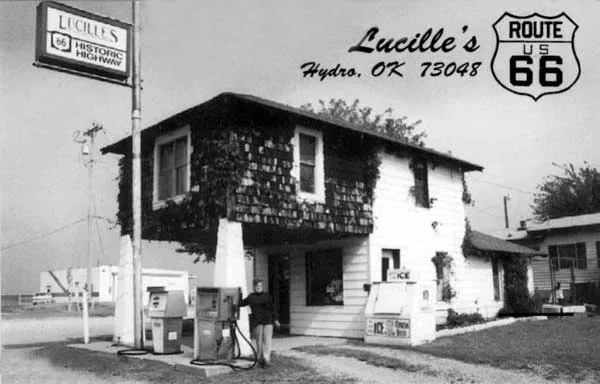
One of the people who helped turn those Americana ideas into real-life legend was Lucille Hamons. For nearly 60 years, she ran a combined service station, diner, and motel out of a two-story station near Hydro, Oklahoma.
Locals and travelers alike loved Lucille. She happily helped stranded drivers, served cold drinks, and kept the place welcoming when traffic and fortunes were low. Ms. Hamons’ warmth earned her a local nickname you’ll still see in many stories about Route 66: “Mother of the Mother Road.”
Provine service station
The building that anchored Lucille’s story is the Provine Service Station. It’s a small, two-story gas station built in 1929 and later run by the Hamons. Although you can no longer pump gas here, the pumps and building remain, a memorable representation of the Craftsman style of architecture prominent at the time.
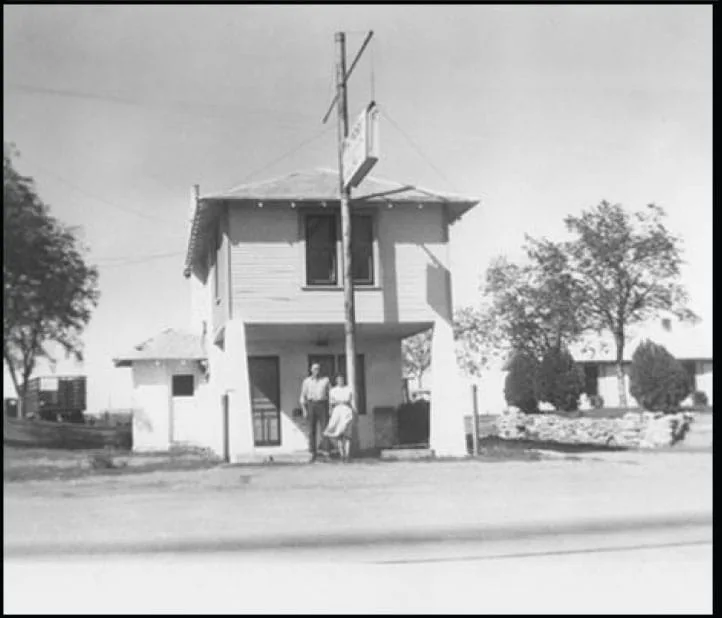
The Provine Service Station is listed on the National Register of Historic Places and is one of the tangible reminders of our pre-interstate travel culture.
Lucille lived on the upper floor of the station with her husband and three children. Yes, she lived right above the fuel pumps with a clear view of the neon sign that greeted so many cross-country travelers.
Lucille was well known in nearby communities. Her friendly hospitality and willingness to help others made an impression on Highway 66 travelers, as well. They enjoyed stopping by for her ice-cold drinks and great eats, and loved how she treated everyone like family.
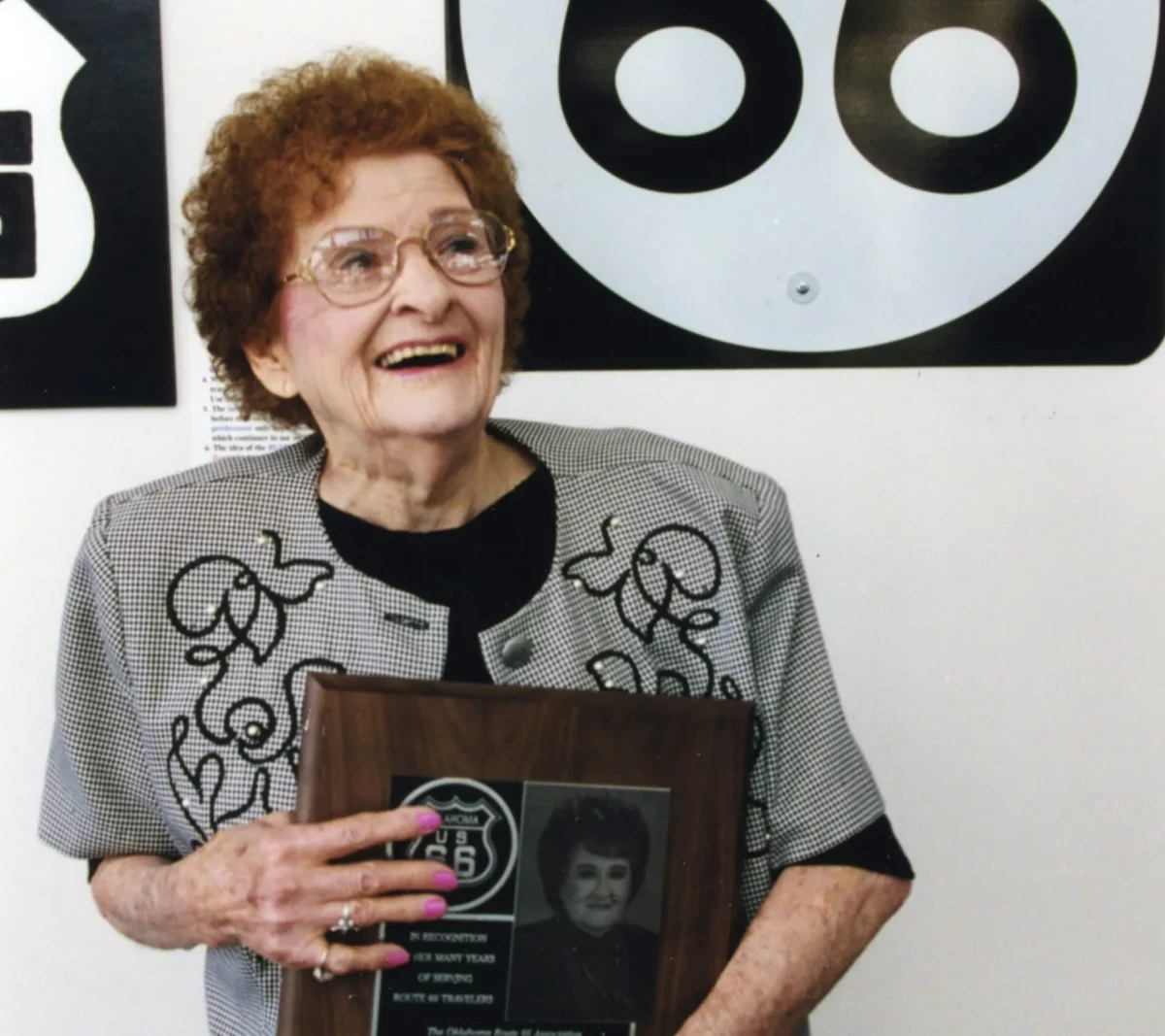
Lucille ran her service station, hotel, and diner for more than 59 years! She was inducted into the Oklahoma Route 66 Hall of Fame in 1999. Lucille Hamons died in August 2000.
Rick Koke, a Route 66 enthusiast, restored and maintains the service station today. He also keeps the friendly hospitality of the beloved highway alive as he manages Lucille’s Hotel and Lucille’s Restaurant in Weatherford and Clinton, Oklahoma.
Centennial
Route 66 turns 100 in 2026. Communities along the old road are planning celebrations with festivals, exhibits, and special events.
These celebrations are a perfect excuse to plan an RV stop that’s about more than a photo op. It’s a chance to experience living history, meet local stewards of the road, and support small businesses that keep this slice of Americana alive.
If you’re mapping a Mother Road trip, make room in your itinerary for small towns like Hydro and Weatherford, OK, where history is compact and easy to explore. And do not miss the Provine service station, where the “mother” of the Mother Road delivered service with a smile!
RV campgrounds nearby
Planning a visit to this area? Here are three campgrounds near Lucille Hamons’ service station to consider:
• Atchley’s Route 66 RV Park (Clinton, OK). This small campground offers easy access off I-40, full hookups for RVs, basic laundry and restroom facilities. It’s convenient for a quick overnight stop while touring west Oklahoma Route 66 sights.
• Territory Route 66 RV Park & Campgrounds (Hinton, OK). This campground literally sits on Old Route 66. It features level pull-through sites, both 30- and 50-amp hookups, Wi-Fi, coin showers and laundry, plus a friendly small-park atmosphere that fits the Route 66 vibe.
• Water-Zoo Campground (Clinton, OK). This campground is tied to an indoor waterpark. It offers concrete pull-thru pads, 20/30/50-amp service options, and package deals that include park admission. (It’s great if you’re traveling with kids.)
You should go!
The Provine Service Station and Lucille Hammons’ story make the Mother Road feel human. Stopping during the centennial allows you to be part of the station’s preservation, meet local keepers of the road’s memory, and snap photos that tell real stories about Highway 66.
If you love vintage signage, good pie, and roadside personality, plan to visit this stop along the Mother Road.
Have you explored this section of Route 66? Tell us about it using the comments below.
Driving America’s first coast-to-coast road: the Lincoln Highway
RELATED
- RVing Route 66 for its 100th anniversary— So many options!
- Everything to know about the National Route 66 Centennial Kickoff Celebration
- National Route 66 Centennial Kickoff event schedule announced
- Free boondocking at the world-famous Bagdad Café on Route 66
- 11 Route 66 ghost towns in Missouri
- Travel Route 66 by drone: Amazing footage from Illinois to California
- The best stops on Route 66 in every state
- Take an RV mini trip to Seligman, Arizona, for the best of Route 66
- Take a tour on Route 66 in Texas, including 7 ghost towns!
RVT1259


Maybe the Lincoln Highway from New York City to San Francisco should be called the “Father Road”, since it existed as a “coast-to-coast” highway a decade before Route 66 was even imagined. Begun in 1913, it followed existing roads from NYC to Chicago and Omaha, then the 1869 Union Pacific-Central (Southern) Pacific “trancontinental” railroad route to San Francisco. It lost some of its identity when highways were numbered instead of named, but, west of Chicago, US 30/I-80 generally follows the Lincoln Highway route.