

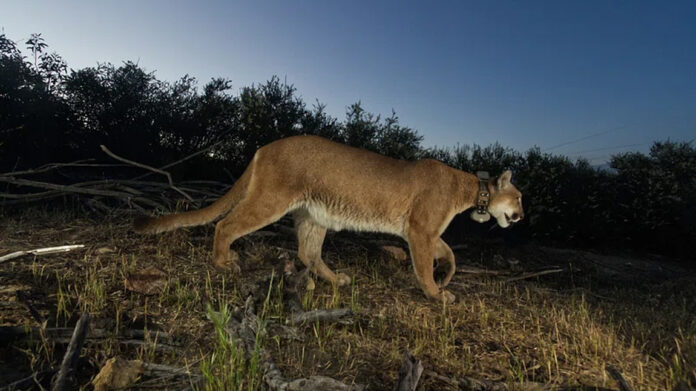
A family hike on Hurricane Ridge turned frightening on July 20 when a mountain lion attacked a 4-year-old child near the Victoria Overlook area in Olympic National Park in Washington state. The mountain lion attack has led the Park Service to point to cougar safety reminders.
The child was bitten while walking with family on a well-traveled trail around 3:15 p.m., according to early reports. The animal involved—a collared cougar—vanished into the wilderness after the attack.
Mountain lion attack sends child to trauma center
Park rangers and Clallam 2 Fire-Rescue paramedics rushed to the scene. The child was airlifted by LifeFlight to a Level 1 Trauma Center in Seattle and is currently being treated for their injuries. No further information about the victim is being released out of respect for the family’s privacy.
The attack launched an urgent search. Rangers began tracking the animal immediately. A canine team joined the hunt around 5 p.m. that evening. The mountain lion was located soon after, but rangers weren’t able to safely put the animal down until the morning of July 21.
Park officials confirmed that the cougar has been removed and there is no current threat to the public. The case remains under investigation.
Officials are asking anyone who witnessed the attack to call 888-653-0009 or email nps_isb@nps.gov.
To learn how to stay safe in mountain lion country, visit these sites
Cougar Safety – Olympic National Park
Mountain Lion Safety – U.S. Fish & Wildlife Service
Incidentally, the terms mountain lion, cougar, puma, panther, and catamount all refer to the same species: Puma concolor. The name used often depends on region or tradition:
Cougar – Common in the Western U.S. and Canada.
Mountain lion – Frequently used in national parks and government reports.
Puma – Scientific name, used more in Latin America and biology texts.
Panther – Used in parts of the Southeast U.S., especially Florida.
Catamount – An older term, mostly historical or used in New England.
Despite the variety of names, all refer to the same large, solitary, wild cat species native to the Americas.
RELATED
- Washington’s Olympic National Park hits the lottery—sort of
- Olympic National Park camping for only $5 a night
- Waterfall death prompts warning for hikers, campers in Olympic NP backcountry
- Three distinct ecosystems define Washington’s vast Olympic National Park
RVT1219b

Thank you for the tragic news, both for the family, especially the toddler, and the cougar, Russ and Tina! I hope the little girl makes a speedy and complete recovery. The listing of the various names applied to the same critter was interesting and informative. Yes, those whence I come do typically speak of panthers (e.g., Florida International University’s athletic teams are known as Panthers, https://fiusports.com/). Alternatively, athletic teams representing Western Carolina University in Cullowee, North Carolina are known as Catamounts (https://catamountsports.com/). I am not sure that I knew what a catamount is until now. Have a great day and safe travels!