

A blocked airway can turn frightening in seconds, especially when no one else is nearby. If a person can’t breathe, cough forcefully, or speak, the priority is to clear the obstruction and get help fast.
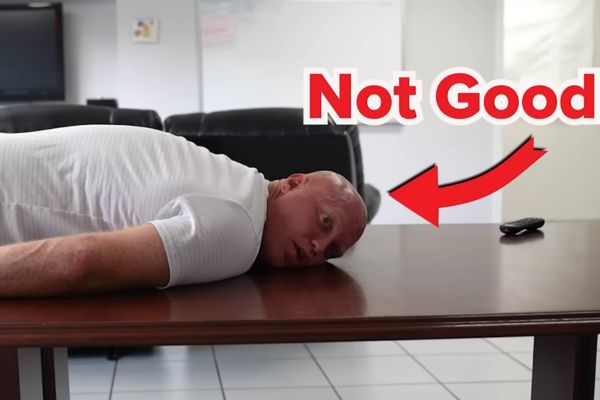
The self-rescue method shown in the video at the end of this post from Fire Department Chronicles [5M subscribers, 5B views] uses a firm edge to create an abdominal thrust. Staying calm can buy precious seconds.
Recognize when choking is an emergency
A person who can still cough or make sounds should keep coughing. That means some air is moving. However, a silent person who can’t breathe or speak may have a complete airway blockage.
Calling 911 is worthwhile if a phone is within reach, but it may not be possible to talk. Emergency text services also vary by area. When alone and unable to communicate, the person may need to act immediately.
A complete airway blockage needs fast action. Waiting for it to pass can cost consciousness.
Use a stable edge for a self-abdominal thrust
A sturdy chair back, table edge, or countertop can provide the force needed to push air upward and dislodge food. The surface must be stable enough to hold the person’s weight.
The person should position the hard edge just below the rib cage, in the upper abdomen. Then they should drive their body inward and downward over the edge, using body weight to create an abdominal thrust.
1. Find a firm, fixed edge.
2. Place it below the rib cage, above the navel.
3. Force the upper abdomen sharply against it.
4. Repeat until the object comes out or help arrives.
This can hurt and may cause injury, but a blocked airway is the immediate danger.
Get outside if the obstruction won’t clear
If repeated attempts don’t work, the person should move where other people might spot them. A front lawn, sidewalk, or neighbor’s doorway is safer than remaining inside alone.
Even without the ability to call out, visible distress may prompt a neighbor or passerby to call 911. The goal is to avoid losing consciousness unseen.
Remain as calm as possible
Panic burns energy and makes it harder to think through the next move. Slow, focused action gives the person the best chance to stay conscious long enough to clear the airway or reach someone else.
Large bites and rushed eating can raise the risk of choking. Slowing down during meals is far easier than facing an airway emergency alone.
The priority is staying alive
When choking alone, the immediate plan is simple: Use a hard edge below the ribs, repeat the self-thrusts, and move into public view if needed. A calm response and a visible location can make the difference when no one else is in the room.
Have you ever been in this situation? If you’re comfortable talking about it, please tell us what happened in the comments below. Obviously, you survived. How did you do it?
MORE IN RVER HEALTH:
- Sleep apnea may stress the heart most during the day, study finds
- Amazon launches Health AI, bringing medical care to RVers anywhere
- Want to avoid dementia? Drink coffee!
- Breath test could diagnose pneumonia
- Sawdust and metal shavings in your RV can pose health risks
RVT1270

I could stand a little less jokey on the choking video. At least one clear image of exactly where to strike the edge would have been helpful. It was well produced though.