


Dear Dave,
Our 2014 Tiffin Allegro RED is constructed with a one-piece fiberglass cap. There are white streaks from water running off the roof and staining the edge caps. —Mark & Terie, 2014 Tiffin Allegro RED

Dear Mark and Terie,
According to the archived brochure on the Tiffin site, your Allegro RED is an entry-level diesel pusher (Rear Engine Diesel). Don’t get me wrong—it’s still a very nice rig. However, even their brochure states: “Now serving a five-course kitchen at a starter price.”
Manufacturers offering an entry-level or “starter price” diesel pusher typically use a lighter chassis, a smaller horsepower engine, and fewer luxury or high-end features as standard items. This allows customers to step into a diesel pusher at a more affordable price point while still enjoying many of the benefits of a rear-engine coach.
TPO roof material
The brochure indicates your unit has molded fiberglass front and rear caps but does not specify the roof material. Higher-end Tiffin models feature a one-piece fiberglass roof. Based on several used listings and model-year information, it appears your coach is equipped with a one-piece TPO roof membrane. In 2014, only a few manufacturers were using TPO roofing, and most recommended washing and conditioning it at least once per year. Today’s PVC and newer roofing materials offer improved UV resistance and generally require less maintenance.
EPDM roof material
EPDM was the first rubber roof material widely used in RVs, dating back to 1989 or earlier. This material begins as black rubber, with the white exterior color added as a chalk- or powder-based coating. EPDM expands and contracts more with temperature changes and will lose its surface color when exposed to the elements if it is not cleaned and conditioned regularly.
How to determine roof material
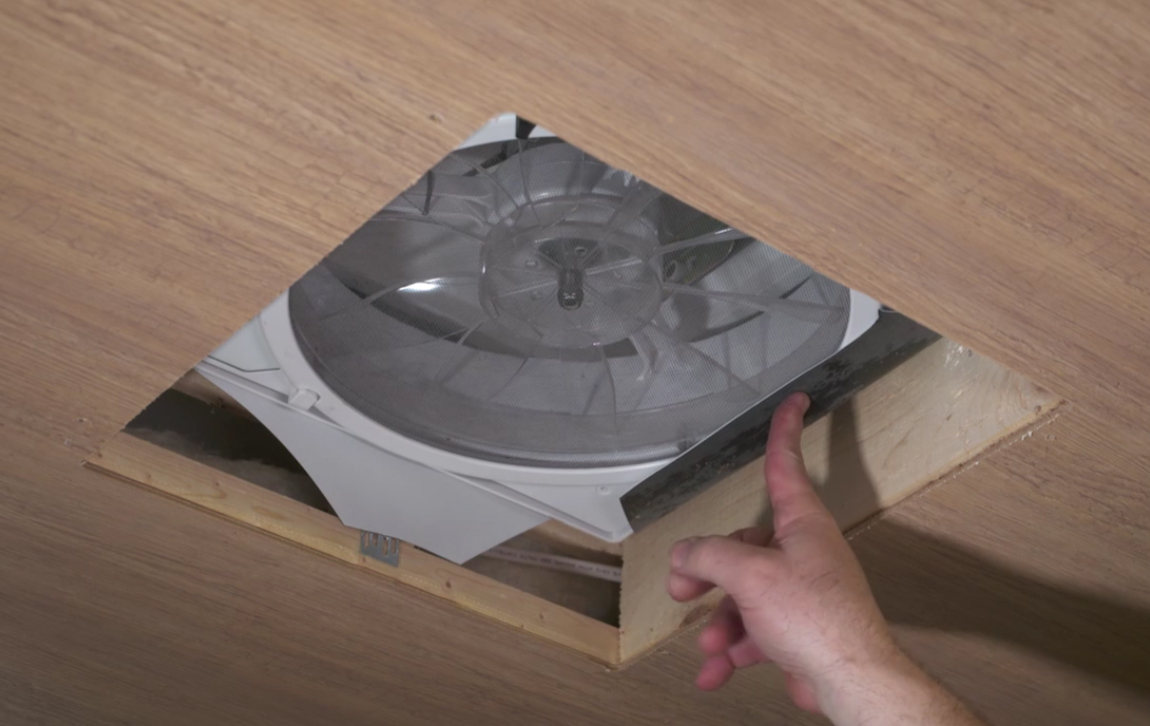
You can determine whether your roof is EPDM or TPO by removing the interior trim ring from a roof vent and examining the excess material. If the underside is black, it is EPDM; if it matches the exterior color, it is TPO.
Streaks on RV sides
What I believe you are seeing is a slight deterioration of the rubber membrane due to UV degradation, as well as normal chalking from dirt and dust. I would recommend cleaning it with RV Roof Magic cleaner. It is a fungicide and will not harm the paint, wax, or clear coat of your painted sidewall. You can get it on Amazon here.
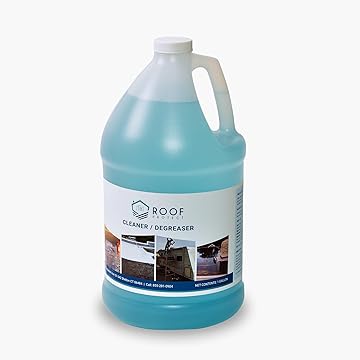
When washing the roof, be sure to keep the sidewalls wet. The white residue can run down and, if allowed to dry, may etch the painted surface. Once that happens, it can be very difficult to remove.
You might also enjoy these posts from Dave
- My RV’s rubber roof has ‘gooey’ spots. Can I fix it with RV Roof Magic?
- What is your opinion of RV Roof Magic? Does it work?
- Should I put a coating on the roof of my brand-new 5th wheel?
- DIY resealing an EPDM roof on your RV. If I can do it, so can you!
- How to protect and maintain newly replaced RV roof. Plus, why new roof was needed
DAVE HAS ANSWERED MORE THAN 1,000 readers’ maintenance and repair questions. Read a directory here. There is so much to learn!
Dave Solberg is a leading expert in the RV industry and the author of the “RV Handbook.”
RVDT2812

Visit the Tiffin production facility, and at least as of a few years ago, they have one and only one roof production. Every Tiffin roof, from a Red to a Zephyer, is a fiberglass roof, according to their tour guide. A quick call to Tiffin customer support with the last four of your VIN will get you the right answer. You have lifetime support. … I assume your coach spends all of its time outdoors. In this case, what you are seeing is the oxidation of the fiberglass gel coat. A simple wash with a wash and wax product twice a year is all that is required. I wash my Phaeton with Dawn, and then apply a quality ceramic quick spray with UV protectant. That seems to have reduced the white streaks.
We travel to Red Bay yearly for that Tiffin support, and get a professional wash and wax while there to prevent the otherwise inevitable white streaks. We have a 2014 Phaeton.