


Dear Dave,
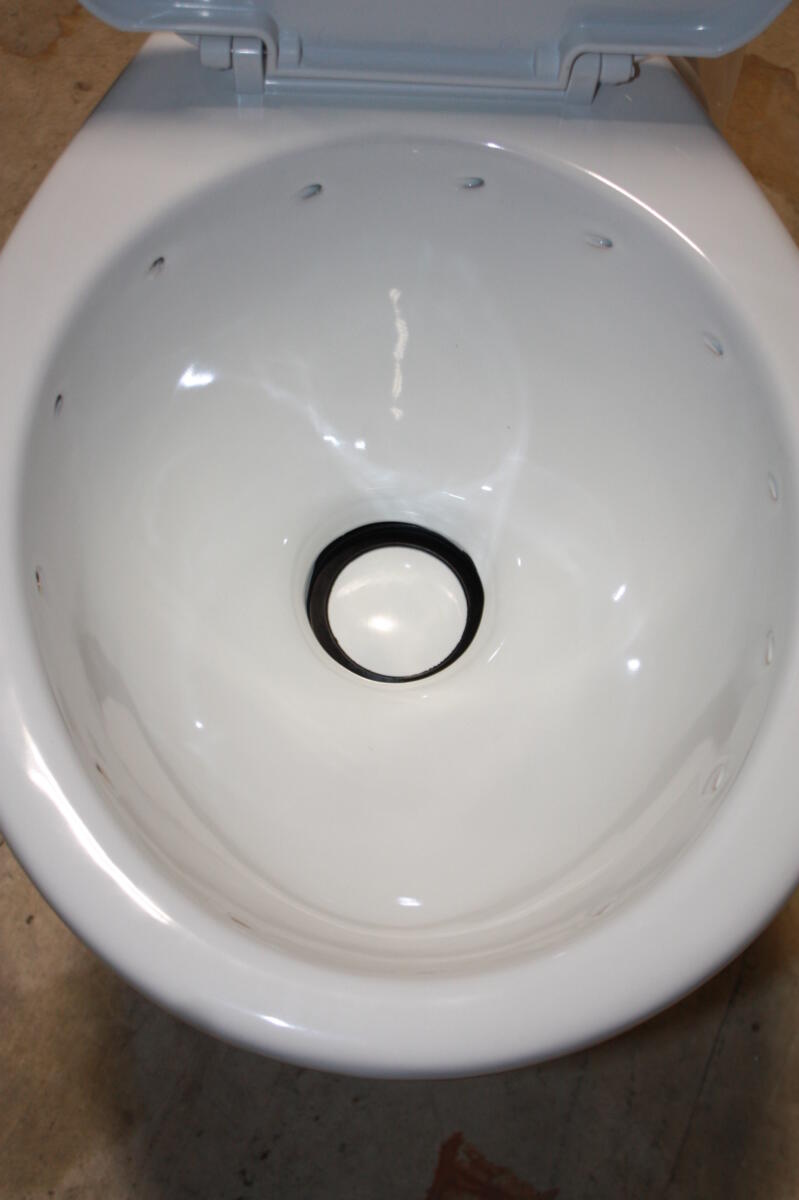
I have green coloring forming in my porcelain toilet. Could it be algae? How do I clean it? —Bob, 2016 Fleetwood Bounder
Dear Bob,
Discoloration in any component that uses water to clean or flush usually indicates a change in water quality. Keep in mind that campground water is often well water, and is not municipally treated like the water in your home. Because of that, it may contain calcium, lime, rust, other minerals, and even algae—as you mentioned.
The green discoloration you’re seeing could be algae, but it is more commonly caused by copper, which forms a green patina as it reacts with water and air. Most RV plumbing is made from plastic (such as PEX), so the source is more likely the campground’s water supply plumbing rather than your RV’s pipes.
Some common causes of green discoloration
Stagnant water
When water sits in pipes for long periods—-such as during a campground’s off-season—it can corrode the interior of metal plumbing.
High water pressure (PSI)
While many RVers deal with low water pressure, sites located closer to the well pump may experience higher pressure. Excess pressure can accelerate wear and corrosion inside pipes.
Improper water pH (alkalinity/acidity)
Water should have a pH between 6.5 and 8.5. Water that falls outside this range can corrode metal plumbing components.
Exposure to air
Loose fittings or improperly installed supply lines can allow air into the system, which reacts with metal pipes and contributes to corrosion.
How to clean the residue
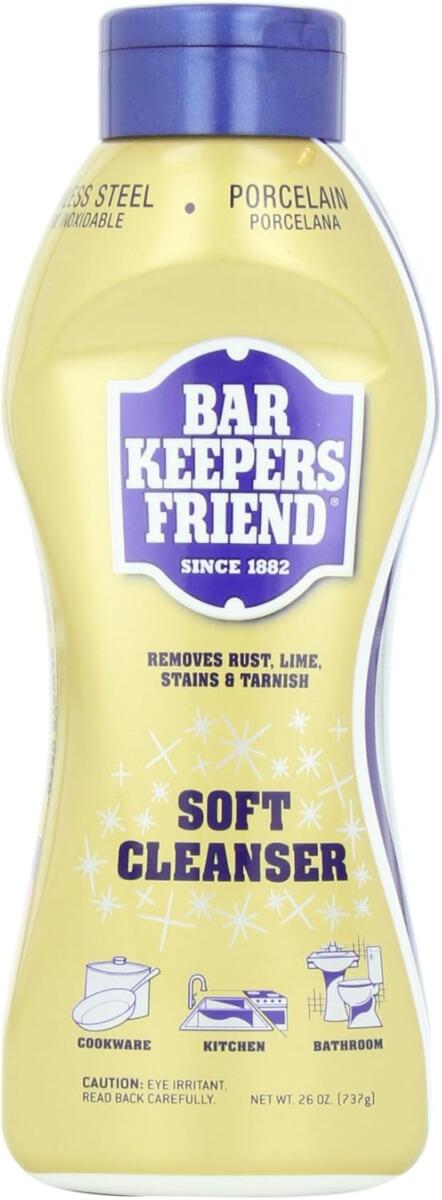
For removing the green residue from sinks or toilets, I recommend using Bar Keepers Friend® (paste or powder) and gently scrubbing the affected area. For stubborn stains, a citrus-based cleaner may help. You can find Bar Keepers Friend on Amazon here.
 However, cleaning alone will not prevent the discoloration from returning if the water source remains the same.
Well water test kit
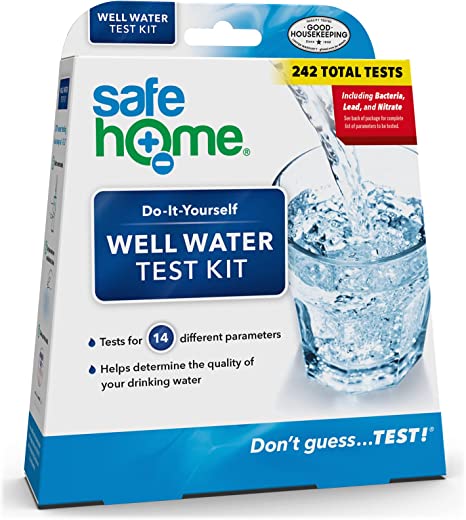
One tool I keep on hand is a well water test kit, such as Safe Home®. It allows you to test pH levels and check for minerals like copper, lead, and coliform bacteria. You can find it on Amazon here.
Once you know what’s in the water, you can select the appropriate water filter cartridge to address the specific issue. For example, yellow or orange stains usually indicate rust (iron), which is also common in well water and can typically be filtered out.
You might also enjoy these posts from Dave
- How to get rid of mold in and around RV toilet
- Bad well water caused algae growth in RV water heater. Can’t get rid of it
- Should we replace the water supply hose going to toilet?
- Update on wobbly RV toilet. Now it’s good to GO!
- Where can I find the part to fix my toilet? I’ve looked everywhere
- Can I swap my gravity toilet for a macerator toilet to help with dumping?
DAVE HAS ANSWERED MORE THAN 1,000 readers’ maintenance and repair questions. Read a directory here. There is so much to learn!
Dave Solberg is a leading expert in the RV industry and the author of the “RV Handbook.”
HAVE A QUESTION FOR DAVE?
Send your inquiries to him using the form below.
RVDT2853

We had a similar problem with our toilet except with ours we had a bad smell along with it. It occurred after we had used some non potable water to flush out the black tank at a state park. We had run the hose through the door and poured directly into the toilet. Apparently, the seal allowed water to seep into the base. That water would then reinfect any water left in the bowl. We had to replace the toilet. Found out later that there was a recall on that particular model for the exact same reason.