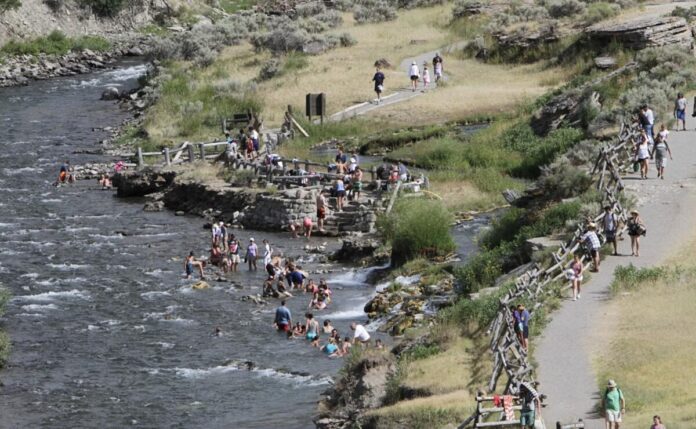
A new federal study has found traces of the rare but deadly “brain-eating amoeba” Naegleria fowleri in warm recreational waters at several Western national park sites, including Yellowstone National Park, Grand Teton National Park, Lake Mead National Recreation Area, Olympic National Park, and Newberry National Volcanic Monument.
For RVers and other campers traveling in these areas, experts say it’s smart to use extra caution around warm freshwater and geothermal pools, especially in hot weather. Avoid jumping or diving into warm stagnant water, try not to get water up your nose, and think twice before letting pets swim in shallow hot springs or thermal runoff areas.
For now, researchers say the risk of infection remains extremely low, with fewer than 10 cases reported annually in the U.S.
Researchers analyzed 185 water samples from 40 thermally influenced national park recreation sites between 2016 and 2024 and detected the amoeba in 34% of samples.
The organism thrives in warm freshwater, especially hot springs and shallow geothermal waters, and can cause primary amebic meningoencephalitis (PAM), a rare brain infection with a 98% fatality rate.
The study found positive samples at several popular geothermal areas in Yellowstone, Grand Teton, and Lake Mead, though researchers noted many test sites were remote or lightly used thermal waters rather than major swimming beaches. No human cases have been reported at the tested park locations.
Scientists warned that warming temperatures may be helping expand the amoeba’s geographic range farther north. The authors called for increased monitoring, public awareness, and safety messaging at warm freshwater recreation sites.
RELATED
- RVer dies from brain-eating amoeba. How can you protect yourself?
- RV water safety: What every RVer needs to know
- YUCK! There was green algae growing in the water hose we drink from!
- Quick tip: A no-mess way of adding bleach to sanitize RV’s fresh water tank
RVT1260b