


Dear Dave,
You recently wrote about a sort of valve that drips to prevent freezing. I thought I saved the article but cannot find it. And I can’t remember the name of the product, nor can I find it in my Amazon history. It was this month. I tried looking through the website for the article but couldn’t find that either. Could you please help me? I have a friend that could use this. —Becky
Dear Becky,
I am not aware of any type of valve or drain plug that drips to prevent water from freezing in an RV, and I am fairly sure it was not an article posted in RVtravel.com. However, as I always state, never say never and never say always when it comes to the RV industry.
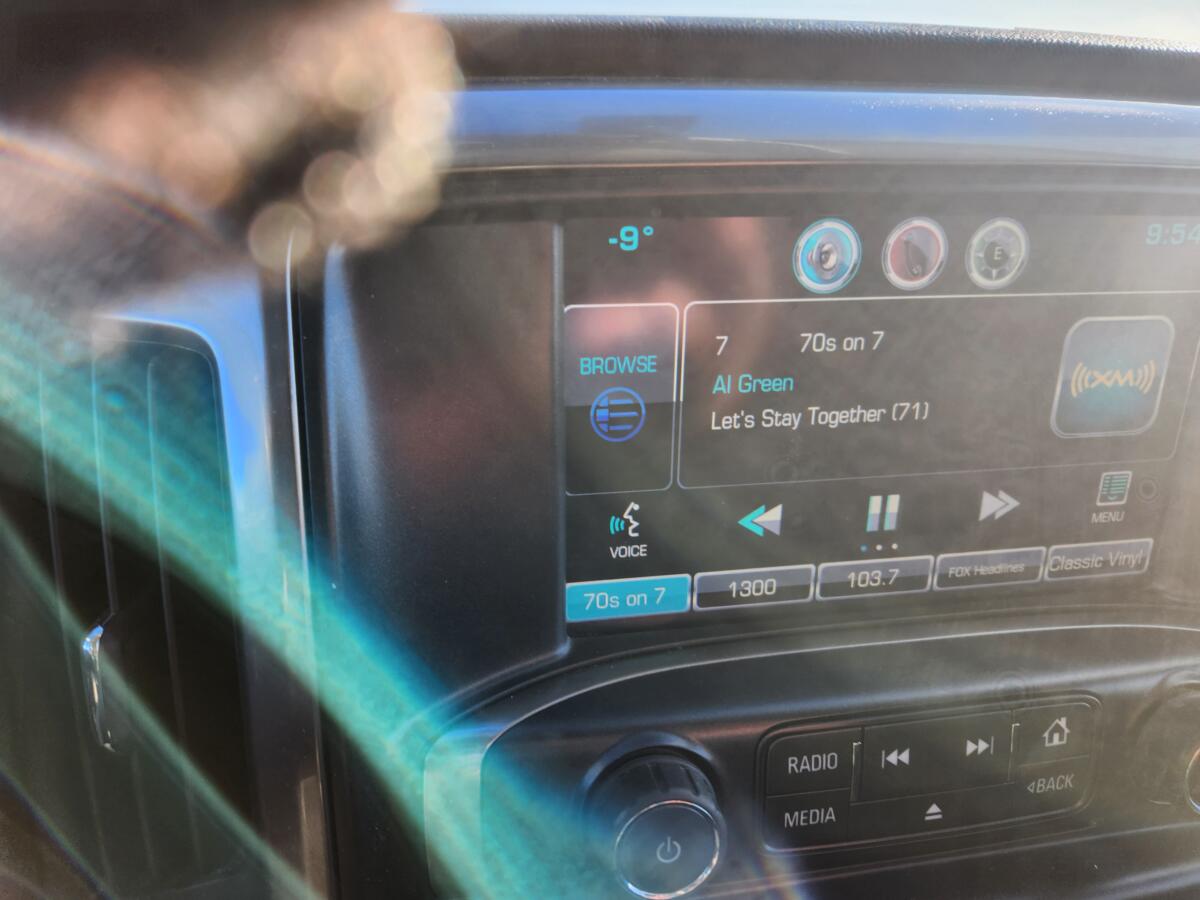
What you might have read is an article about an old cold weather trick we use here in the frigid Northern states when temperatures dip below zero degrees. Last Tuesday I returned from the Boston RV Show. My truck had been sitting in below-zero temps for a few days and would not start. Luckily, I had an AstroAI Jump Starter (that I will be doing a review on later) and I got it started at -9 degrees. Nothing like Al Green (on the radio in the picture) trying to warm you up!
Heating dead air space in a home
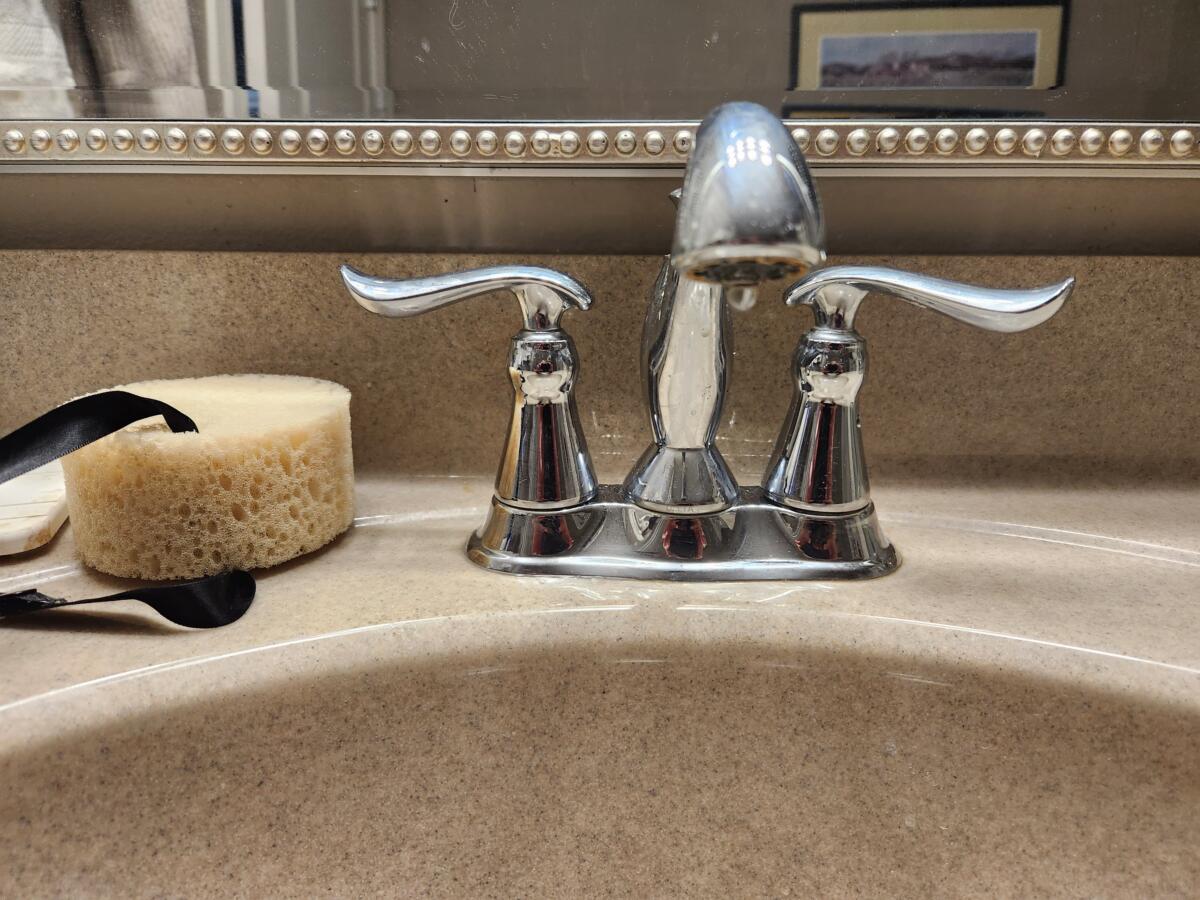
During these frigid days in winter, it’s almost impossible for a home heating system to provide sufficient heated airflow to every part of the house, especially inside cabinets, walls, and other areas that have what we call “dead air space”. During these extreme low temperatures, water pipes can freeze even with the furnace running and most of the house is a comfortable and safe 68+ degrees. Opening a few faucets slightly in suspect areas of the house creates a slow flow of water and reduces the chance of the pipes freezing.
Would this work in an RV?
The challenge with RVing in cold temperatures is that every RV is different. The water lines are sometimes above the floor, which means they are protected by the heat of the furnace. But sometimes they are below in compartments. Even though there may be heat ducted into the compartment, they can still freeze. I have had frozen water lines in what was supposed to be heated for year-round use in 20-degree weather. With a single heat vent ducted into the lower compartments and no cold air return, there are so many pockets, as described before, that would allow the small ½” pipe to freeze without additional heat or protection.
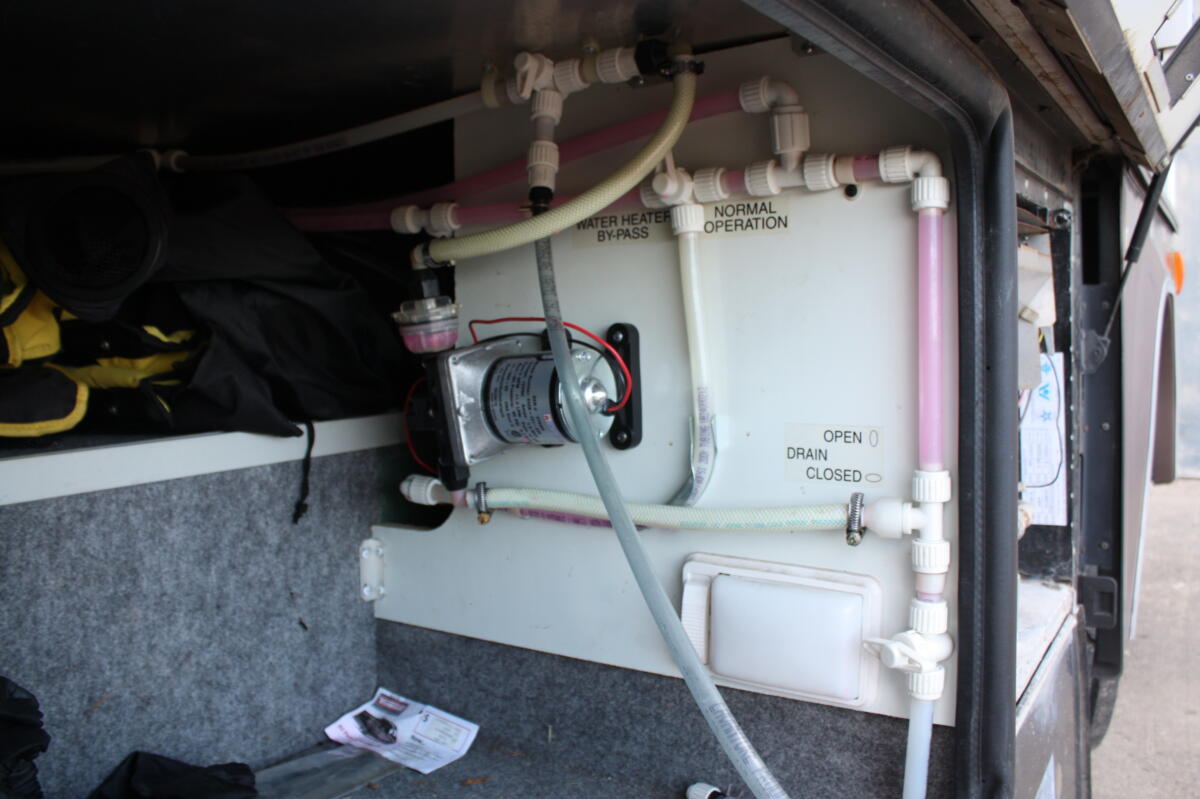
This is a classic example of water lines only an inch away from the compartment door. However, this unit does have the “pink” stuff, so it is protected.
Since there are so many water lines running throughout a floorplan, I doubt that opening a faucet or two would do much good. Plus, the water would go to a holding tank and fill it up eventually.
What you can do to prevent water from freezing in an RV
Winterizing a unit can either be done by blowing out all the water lines with an air compressor dialed down to about 40 psi, or adding RV antifreeze. Either way it limits the use as there would be no water in the system to flush a toilet or take a shower, or the RV antifreeze would not be a good option to use.
We have taken many trips to Colorado and other cold areas of the country and drained all the water out of the system. We brought several gallons of water in jugs stored in the shower pan to use for the toilet and to wash hands. Pour a couple of gallons of RV antifreeze in the black and gray holding tank. Then when you use the toilet, just pour the water from the jug when flushing, as it does the same thing as pushing down the pedal. Then we used bottled water for drinking and cooking if needed.
Keep in mind that when using the air method, you need to put a little RV antifreeze down any drains to protect the “P” traps, cycle a refrigerator ice maker, and don’t forget about the toilet sprayer and outside shower. Some “on demand” water heaters cannot be blown out and require either RV antifreeze or a special procedure to get water out of chambers—check your owner’s manual. And if you have a black water flush valve, make sure the hose going to the valve gets winterized, as well.
Winter Dance Party
This weekend, the Surf Ballroom in Clear Lake, Iowa, celebrates the music of the ’60s, and especially remembering Buddy Holly, J.P. “The Big Bopper” Richardson and Ritchie Valens, with the Winter Dance Party. Winnebago brings motorhomes over to be used as dressing rooms. The last few years have been unseasonably warm; however, most years it is below freezing. We have faced the challenge of being able to use the rigs in temperatures sometimes below zero. I remember one year was -20 degrees and one of the band members from California came inside with his glasses frozen over and huge burst of steam surrounding him and stating, “Why do you people choose to live here?”
After freezing up several units the first few years, we started adding ceramic heaters inside the compartments. However, most of those overloaded the electrical system. Being the creative farm boys that we were, we switched to 60-watt light bulbs—which was an old hog watering trick. It’s hard to find a non-LED bulb these days; however, you can still get them at farm stores such as Mill’s Fleet Farm or Tractor Supply as heat bulbs. You can also find them in garden centers—or my dad’s house is full of them!
*****
NOTE: If you’re in the Davenport, IA, area this weekend, be sure to attend Dave’s seminars at the Davenport RV Show, where you will learn (and laugh) a lot—guaranteed! Don’t forget to stop by and tell Dave “Hi”.
You might also enjoy this from Dave
How to tell if water heater pressure relief valve has gone bad
Dear Dave,
How can I tell if my water heater pressure relief valve has gone bad? We go camping for three months at a time and leave the water heater on electric the whole time. I have noticed that some cooler mornings, low 60 degrees, that the water heater drips some water. Not a lot, and I assume that this is due to condensation since it stops when the day warms up. …
Continue reading Richard’s question and Dave’s answer.
Dave Solberg is a leading expert in the RV industry and the author of the “RV Handbook.”
More articles you might really like
• RVers, if you see purple paint on trees, stay away
• Has ‘greedflation’ taken over RV campgrounds?
• $245 a night at a KOA—Where will it end??
• Child dies from electrocution from touching the family RV
• Why Moose and Elks lodges are the way to go for RVers
• RV inspector’s picks: 3 best RV brands for travel trailers
##RVDT2570

More often than I would like we have been in freezing temps while traveling with the RV. I found rough service bulbs that are still incandescent and reptile warming bulbs on Amazon for our wet bay. We also use a heated water hose but remove from the outside faucet if severely cold and just use the fresh water tank. RV parks are not happy and charge a hefty amount if their faucet is frozen and cracks.
They probably saw an advertisement for a device for homes that goes on an outside faucet and drips when it is below freezing. I suppose it could be adapted for RV use but it would have to be outside the RV as it has an internal temperature sensor.
I think the claim of insulated underbellies and heated pipes is a joke. We took a tour of the Northwood plant in La Grande, OR and saw how the underbelly was insulated and heated. I think there was one, maybe two small openings in the heater ducting. We’ve had all our water pipes freeze up while traveling in sub-freezing temps. A trickle of water out of the cold faucet in the kitchen – and nothing else. We blasted the furnace all night, left all doors open under sinks, and managed to get another trickle from the toilet. We stayed put for two days and finally got the pipes thawed. We hadn’t planned this trip, and got stuck with freezing weather because we had to go.
Grand Design…(NOT)…is a good example of college boy (and girl) engineers who use CAD to design trailers with warm weather plumbing that will freeze in cold weather if not kept warm. Example is a 2017 Reflection fiver with the so called Aqua manifold that incessantly leaks and is too close to the hatch cover…ask me how I know this. There are many cracker boxes out there that are not built for cold weather….a brand that is…Arctic Fox, Nash, Outdoors RV…Northwood products built for cold weather. Even the old Hitchhikers were better than modern day tin tepees.
Excellent article
That valve may prevent the one line it is attached to from freezing, but what about all the other unprotected lines?
Thank you, Dave, for the cold-weather information! Have a great weekend and safe travels!