


Dave,
I have removed what appears to be foam weather stripping at the bottom of my Class A windshield. The weather stripping has disintegrated over time. Some of it was installed by me after a small leak, the rest was either from a previous owner or from the factory. There is an approximately 1/4″ gap between the bottom of the windshield and the front panel (where the wipers are attached), widening to about a 1/2″ gap at the sides of the windshield.
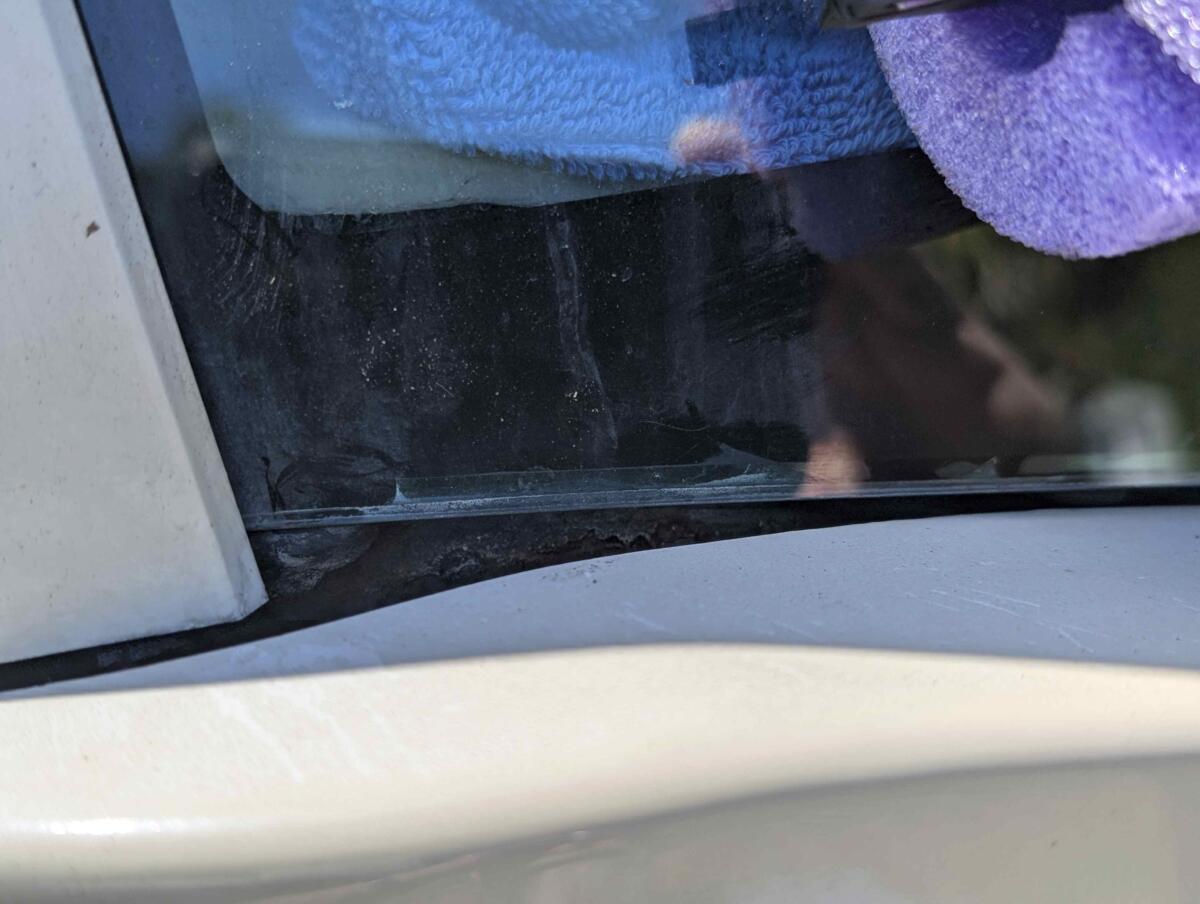
My question is, what do I seal the gap with? More weather stripping? (I used some I got from Ace Hardware on the road.) I was thinking of a more permanent seal using foam/rubber backing rod then cover with a bead of urethane sealant specifically for auto glass (e.g., Sikaflex P2G Primerless to Glass adhesive as recommended in some chat groups). Another recommended option was Permatex 81158 Auto glass adhesive/sealant, which is silicone-based. But I also have read never to use silicone sealant on your RV.
Concern about sealing gap
My concern is that if I seal the gap, it might prevent the expansion/contraction of the windshield during temperature variations and possibly crack the glass. What was the original Winnebago material? (There isn’t any listed in the sealant callout sheets for this, or anything I can find on their website.) Any thoughts? Thank you. —Bill, 2019 Winnebago Sunstar 29VE
Bill,
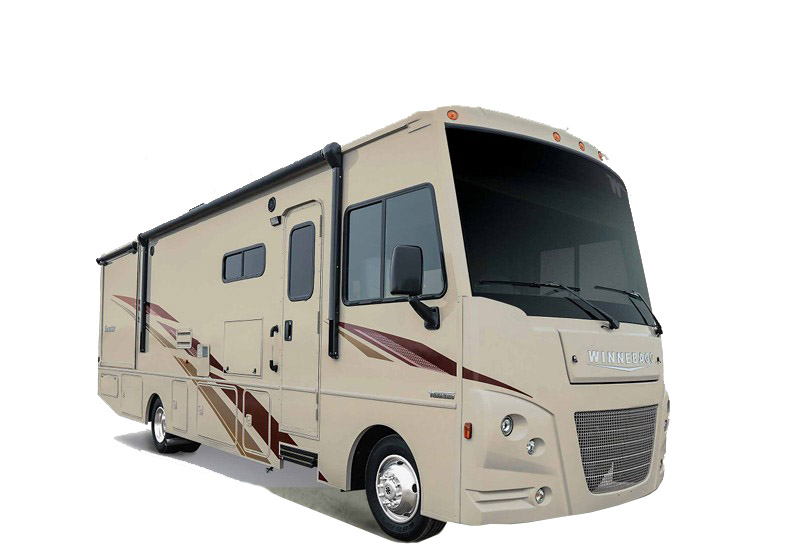
Your rig is an Itasca model and the one-piece windshield is mounted to a metal perimeter frame with windshield urethane just like most cars and trucks. This is the main sealant for the windshield. It is flexible, allowing the windshield to move slightly with temperature changes. The perimeter rubber gasket is just a finish piece and can be purchased by the foot.
Here is the 3D drawing that is on the Winnebago website under owner resources.
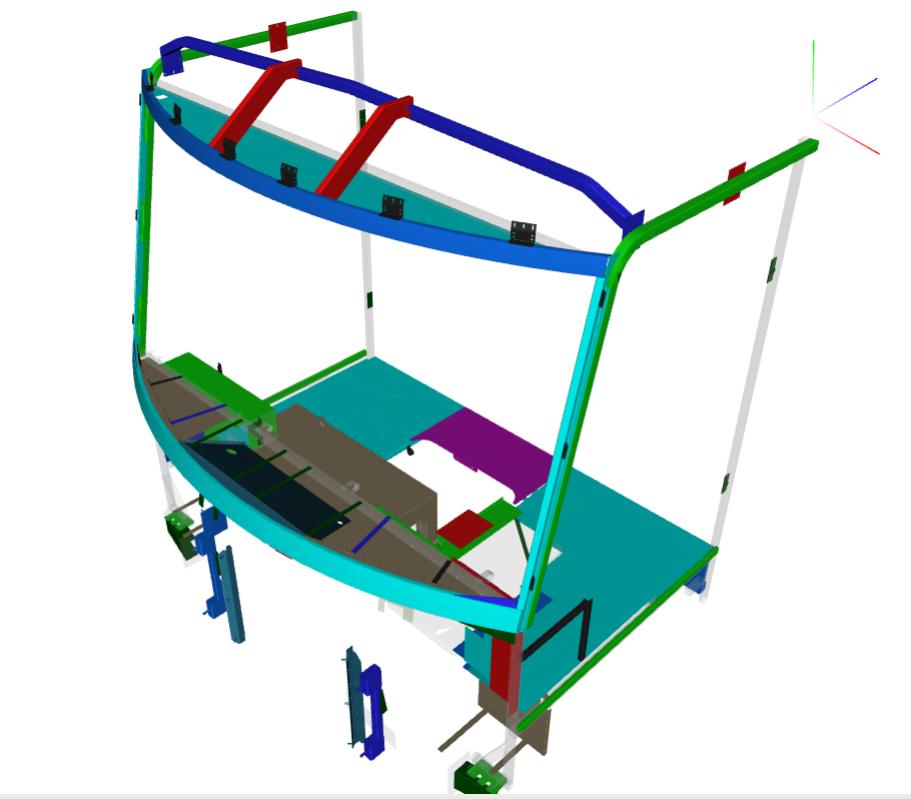
There was never any foam gasket or other material in that area, so what you have taken out must have been installed by the previous owner. Silicone is not the correct sealant for this location.
What usually causes potential leak
Typically what I have found is the perimeter rubber molding dries out due to exposure to the sun. It shrinks, which causes it to pull away from the groove between the windshield and the frame. It eventually cracks and, like you said, owners try to patch it up with all types of sealants and rubber gaskets fearing that it will leak.
If the windshield did have a leak, it is not caused by the rubber molding, but rather a hole in the urethane between the windshield and the frame. This would need to be addressed by a qualified windshield service location that would take a look at the urethane as well as the frame. I have seen a few cases where the lower lip of the windshield metal has rusted or deteriorated, causing a leak which requires much more work to repair.
Small leak through urethane
If it is just a small leak through the urethane, you could add a little more sealant. Or you could have a technician use a hot knife between the windshield and the frame to remove the bad sealant and add more. Trying to seal a leak from the outside between the windshield and the front cap is a waste of time.
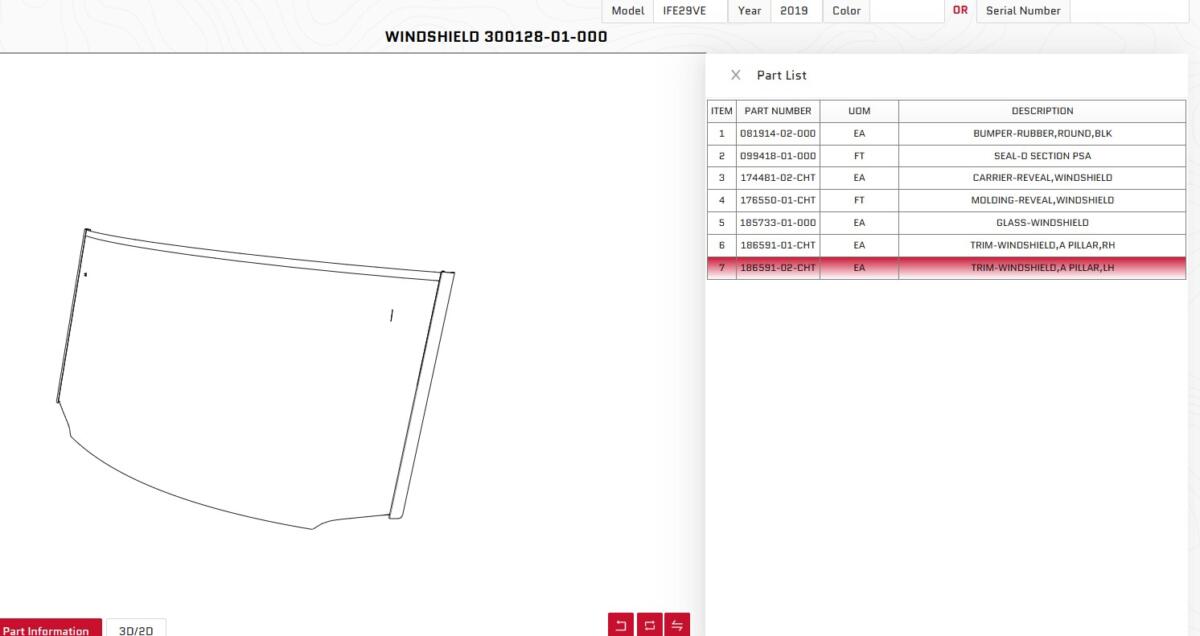
For a more permanent repair, I would suggest removing the rubber molding, inspecting the windshield urethane and underneath metal frame, and replacing the rubber molding with the original material. It is still available through Winnebago dealers. Here is the parts diagram for that.
You might also enjoy this from Dave
My RV’s windshield has a leak. Where can I get it fixed?
Dear Dave,
My RV’s windshield had a leak when it rained. We also noticed rust crumbles on the dashboard. Where’s the best place to take it so all the work can be done there and not farmed out to somewhere else? —John, 2007 Winnebago Itasca
MORE HELPFUL POSTS FROM DAVE
- Will reflective material damage my RV’s windshield seal?
- What sealants do you recommend for an RV, and what areas need to be sealed?
- Should I use Flex Seal to protect 2-year-old RV’s roof?
- Can I use something besides butyl tape for sealing an RV window?
Dave Solberg is a leading expert in the RV industry and the author of the “RV Handbook.”
Read more from Dave here.
HAVE A QUESTION FOR DAVE?
Send your inquiries to him using the form below.
RVDT2634

Thank you for the discussion and suggestions, Dave! It is always interesting to learn how different manufacturers/assemblers do things. Have a great day and safe travels!