


If you’ve visited a national park recently, you’ve probably seen at least some signs of strain: long entrance lines, crowded campgrounds, packed parking lots, shorter visitor center hours, or fewer ranger-led programs than you remember from years past.
That’s why a recent congressional budget decision may catch the attention of RVers who spend part of their summer exploring America’s national parks.
The House Appropriations Committee recently backed away from some of the deepest proposed cuts to the National Park Service, approving a spending bill that keeps most core park operations funding in place. Supporters of the move say deeper cuts could have made staffing shortages, delayed maintenance projects, and other visitor-service problems even worse at parks already dealing with heavy crowds.
For RVers, the obvious question is simple: Will this actually make a difference on the ground this summer?
Staffing concerns remain
The answer appears to be yes—and no.
While lawmakers backed away from the most dramatic proposed reductions, the National Park Service continues to face staffing challenges that have been building for years. Many parks are operating with fewer employees than they had a decade ago even as visitation remains near historic highs in many locations.
That mismatch can show up in ways visitors notice immediately. Entrance stations may have fewer workers available during peak periods. Visitor centers may operate on reduced schedules. Campground maintenance and restroom cleaning can take longer. Ranger programs and educational activities sometimes become less frequent when staffing is stretched thin.
In some parks, staffing shortages have also contributed to delayed maintenance projects and longer waits for visitor services.
Avoiding deeper cuts may help prevent those problems from becoming even worse, but it doesn’t instantly restore staffing levels or eliminate years of accumulated challenges.
What RVers are likely to notice
For travelers planning national park trips this summer, the practical impact will probably vary from park to park.
Popular destinations like Yellowstone, Grand Canyon, Zion, and Yosemite national parks continue to experience intense seasonal demand regardless of annual budget debates.
Visitors should still expect crowded conditions during peak travel periods, especially around major holidays and weekends. Timed-entry systems, shuttle requirements, and campground reservation competition are likely to remain realities in many of the most heavily visited parks.
That doesn’t mean RVers will suddenly find empty campgrounds or shorter lines this summer. But it could help parks avoid the kind of service cuts that visitors would notice almost immediately.
The maintenance backlog isn’t going away
One challenge that remains largely unchanged is the National Park Service’s massive deferred maintenance backlog.
Anyone who’s encountered road construction, campground renovations or aging facilities in a national park has seen the issue firsthand. The park system still faces billions of dollars in deferred maintenance, and while recent federal funding has helped chip away at the backlog, plenty of work remains.
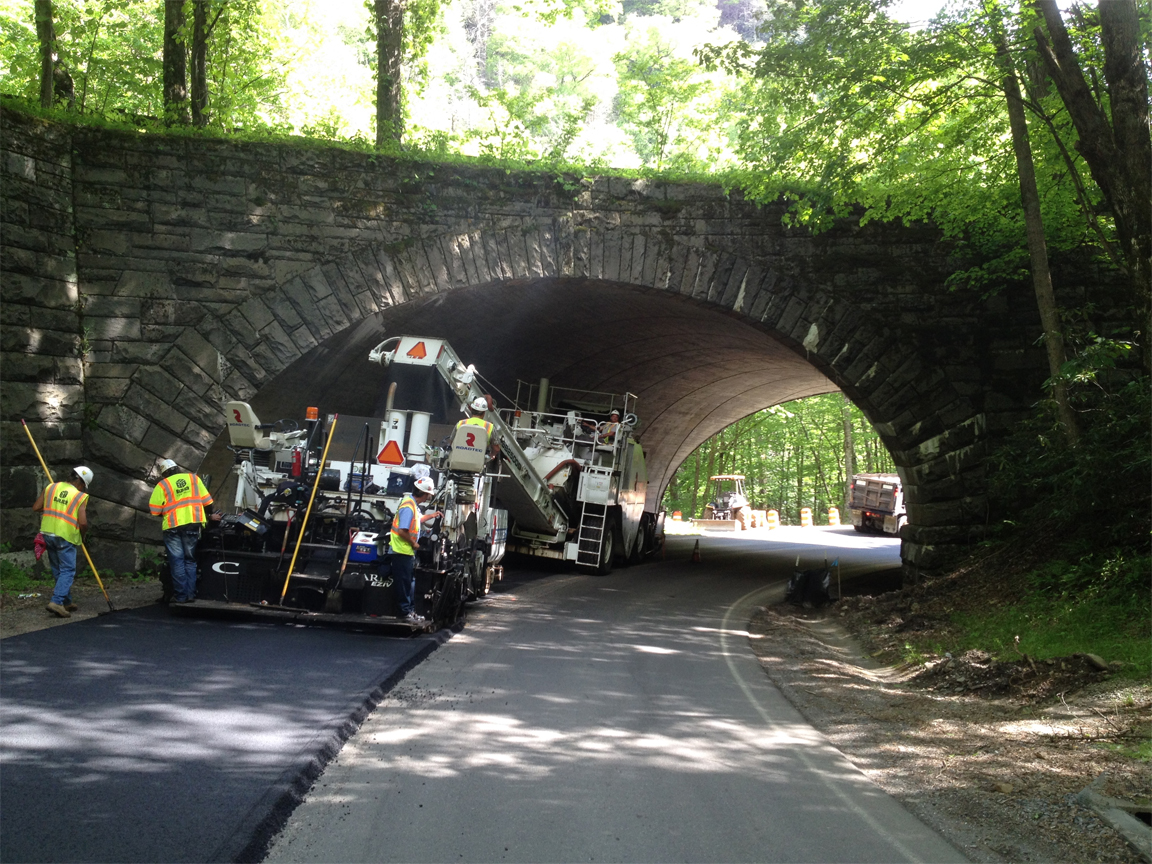
For RVers, that means road work, temporary closures, campground renovations, and infrastructure projects will likely remain part of the national park experience for years to come.
Why this matters to RVers
National parks remain among the most popular destinations for RV travel in the United States. Millions of RVers visit parks every year, often planning trips months in advance around campground reservations and seasonal travel windows.
Because of that, staffing levels and operating budgets are more than political talking points. They can directly affect wait times at entrance gates, campground conditions, visitor services, and overall trip experiences.
For RVers planning national park trips this summer, the bottom line is fairly simple. Congress may have prevented conditions from getting worse, but it probably hasn’t changed what visitors will encounter this season. Popular parks are still likely to be crowded, campground reservations will still be competitive, and staffing challenges won’t disappear overnight.
RELATED
- Trump’s budget proposal targets National Parks with massive funding cuts
- National parks drop timed-entry reservations in 2026; RVers may pay the price
- National parks avoid major funding cuts, a key concern for RV travelers
- Why staffing shortages in national parks are changing the visitor experience
- Poll finds 7 in 10 Americans want to protect national parks from budget cuts
- Visitors may not see the strain, but national parks are operating with thinner teams
- It’s official: Foreign visitors will pay more to visit national parks
- National Parks update fees, hike those for nonresidents
- What the public doesn’t see in national park budget cuts
RVT1262b

“Congress may have prevented conditions from getting worse, but it probably hasn’t changed what visitors will encounter this season. Popular parks are still likely to be crowded…” I don’t believe crowded national parks are the result of cuts in funding. They’re crowded because they’re popular destinations. And due to the natural aspects of the locations, it is difficult to develop for the increased traffic, without destroying what is there that attracts the crowds in the first place.
Plus, busloads of foreign tourists are overrunning many Western States National Parks, many from Asian countries. I’m glad this administration saw this and increased fees for those coming in from other countries. That’s the same policy applied to Americans traveling abroad.
The article says deep cuts were avoided, but the parks will still suffer. The parks are full of deferred maintenance, but be prepared for road work, campground renovations, infrastructure projects and closures. Sounds like the parks are still being funded and that maintenance work is getting done. I don’t get the point of this article. The popular parks have been overwhelmed with visitors for years. This year they’ve stopped the timed entry on some parks to avoid crowding. Timed entries really helped Arches, a park I live nearby, from feeling like a zoo, but they stopped that program there. I don’t know what else they can do to stop the crowding as people are still going to come.
Susan, I don’t know if the timed entry worked. In 2022, I had a timed entry for Arches for 9 AM. We arrived at 8:50 AM, and the sandwich board sign at the entrance said from this point forward, the wait time is approximately 3 1/2 hours! We turned around and went to Canyonlands NP. Same trip, we have a timed entry to Yosemite NP for 9 AM. The checkpoint was worse than crossing over into another country, Canada. We stopped for a map and suggestions at the ranger station. The ranger hands me a map, no suggestions on what to do or see, and says, “If you can find a parking spot.”
Why should NP’s be any different than any other government agency? The VA, Postal Service, and state DMVs are a snapshot of the inefficiency of government running a business. Just because employment is lower today than 10 years ago, as pointed out in the piece, doesn’t mean staffing levels were appropriate then, or even today. As most RV’ers who read this newsletter know, look at the condition of many federal interstates today and what they do to our campers. Again, I ask, why would NP differ? I don’t blame the workers, rangers, or seasonal help. It’s Washington, Washington, regardless of which party controls the strings.
The strawman implying funding translates into improved park experiences is about as flawed as saying higher ticket prices will create better scores at a football game.
Said differently, the suggestion that if the government could kindly take just a bit more of my income, the lines will be gone, campsites will no longer get trashed and there’ll be rangers a plenty is absurd. Parks are crowded because of demand, not because efficient government spending has been hampered by less to be efficient with….
No matter what – good, bad or indifferent – always a “but” on this subject and also – the sky is still falling! Right on Vince S!
I love visiting our National Parks and enjoy watching videos posted on YouTube by other travelers to the parks as well as National Geographic coverage. That said, our Congress seems to be schizophrenic – they won’t fund important essential government departments that are crucial to our national security, and the Senate abjectly refuses to vote on the SAVE act and takes a 10-day holiday leaving important issues to languish. Their inaction leaves many essential government employees without paychecks. Yet, they come to the “rescue” of much-beloved but honestly non-essential National Parks.