

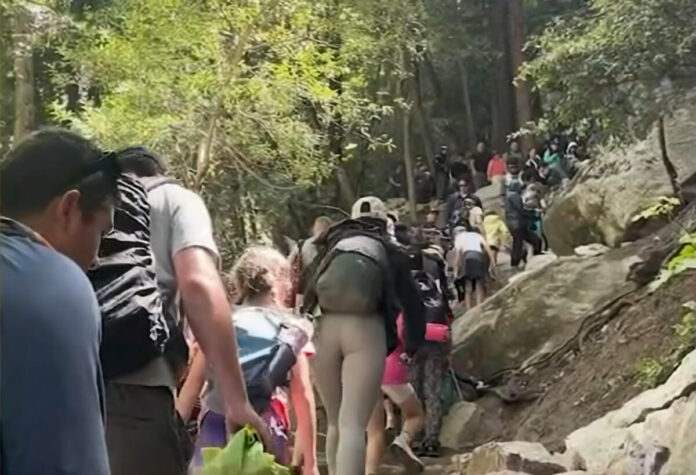
For decades, gateway towns near America’s national parks thrived. Travelers came to see the parks, and the towns provided everything else. Fuel. Groceries. Campgrounds. Restaurants. Laundry. RV repair shops. Ice cream. Souvenirs. Showers. Propane. You name it, they probably had it.
But this summer, many of those small towns are feeling squeezed, and RVers, if you haven’t already, you may start noticing the effects.
From Yellowstone to Zion to Glacier to the Smokies, gateway communities are dealing with a difficult mix of rising tourism pressure, staffing shortages, higher costs, housing problems, and aging infrastructure. In some places, local officials say they’re struggling just to keep up with the number of visitors arriving every day.
And for RVers, that can mean longer waits, fewer services, crowded roads, and significantly higher prices.
The towns were never built for this many visitors
Many gateway towns were originally small communities built around seasonal tourism. But national park visitation exploded over the past decade, especially after the pandemic-era outdoor travel boom.
Some towns now face traffic levels, campground demand, and infrastructure strain that far exceed what local roads, utilities, and businesses were designed to handle.
In popular areas near parks like Yellowstone, Glacier, Zion, Acadia, and Rocky Mountain, RVers are increasingly encountering packed grocery stores, overflowing parking lots, long restaurant waits, and fuel stations stretched to capacity during peak travel days.
In some communities, even basic services like trash collection and water systems are under stress during the busiest parts of the season.
Workers can’t afford to live there
One of the biggest problems facing gateway towns is housing.
As tourism increased, short-term rentals and rising property values pushed housing prices higher in many park communities. Workers who run restaurants, campgrounds, repair shops, and stores are finding it difficult—or impossible—to afford living nearby.
This is happening near Joshua Tree National Park, and it’s a big issue for residents.
That has created staffing shortages throughout many tourist towns.
Some businesses are shortening hours simply because they can’t hire enough people. Others are operating with smaller staffs during what should be the busiest travel season of the year.
For RVers, that can translate into slower service, reduced campground staffing, fewer open restaurants, and difficulty getting repairs completed quickly.
RVers are noticing the price increases
Many RV travelers say gateway towns feel dramatically more expensive than they did just a few years ago.
Campground rates have climbed sharply in some regions. Restaurant prices are higher. Fuel near major parks often costs significantly more than in surrounding areas. Even basics like ice, firewood, and groceries can carry premium prices during peak season.
Some RVers are responding by staying farther away from national parks and driving in for day visits instead of camping near the entrances.
Others are shifting travel toward lesser-known parks and public lands that receive fewer visitors.
Some locals say tourism is becoming overwhelming
Tourism keeps many gateway towns alive economically. But in some communities, tensions are growing between residents and the sheer volume of visitors arriving every summer.
Locals in several high-profile park towns have raised concerns about traffic congestion, overcrowding, noise, environmental strain, and the loss of community character.
That doesn’t mean RVers aren’t welcome. But it does mean some towns are actively debating how much tourism growth they can realistically handle in the future.
What you can do
Experienced RVers already know a few strategies that help reduce stress in busy gateway communities:
• Arrive midweek instead of weekends.
• Fuel up before reaching park towns.
• Visit during shoulder seasons when possible.
• Support locally owned businesses.
• Be patient with workers during peak travel periods.
• Camp/stay outside the busiest corridors and drive into the parks early in the morning or in the evening.
Many gateway towns still depend heavily on RV travelers and tourism dollars. But this summer, the pressure on those communities is becoming harder to ignore.
And for RVers planning national park trips, understanding what these towns are facing may help explain why travel near America’s most popular parks feels different than it used to.
If you’re seeing workers who are clearly overworked and stressed, be patient. They’re doing their best.
RELATED
- Long lines, full parking lots and traffic jams: Yosemite’s no-reservation summer gets its first test
- National parks drop timed-entry reservations in 2026; RVers may pay the price
- National Park Week 2026 gets new dates, expands to two weekends
RVT1263

Thank you for highlighting this set of problems, Emily. We do some of what you suggest in that we avoid the popular national parks because of the congestion. I can make do with pictures of the sights at the popular parks and travel and stay at less popular ones. Have a great week and safe travels!
I’m in Joshua Tree now. During COVID and afterwards for a while there was a mad rush for coastal people to secure short-term rentals. The enterprising investors bought homes for STR use and accrued $5k per month per house. There was great demand for AirBnBs.
The situation is now DOA. STRs are closing up and houses selling below cost or foreclosing. The diehard absentee owners try to hang on, but the demand is mostly nil. Ditto with Hipcamp. A slab of dirt is $50 per night whereas BLM is better and free. With NPS staff cuts and summer too hot for tourism, the housing snafu is cooling, already cold, or blighted.
So it sounds like the problem is self-correcting, at least in that location.
Housing seems to be one of the biggest problems facing our Nation. Politicans provide lip music but no solutions.
Yet, many factions of our government want the free flow of illegal immigrants into the country, making housing more expensive for Americans and increasing the pressure on housing stock available.
politicians raised fees, regulations, taxes, high energy costs, so many archaic rules, raising prices and making housing unaffordable, so they will never back track no matter how bad it gets (look at california)
I usually love Emily’s writings, but this piece didn’t meet her usual standards IMHO. The story could’ve been about virtually any place in America, highlighting our crumbling infrastructure, affordable housing, and governments that are not responsive to the masses, but only to the minority. Western national parks and highways are being overrun in some instances by tour buses full of visitors, many from China and other Asian countries. You are now having the government fighting the government instead of coming together to spend our tax dollars wisely.
Another problem is when the National Park system takes land by eminent domain destroying the tax base of the local community. The community still has to maintain roads, provide emergency and other services yet without tax dollars because the park doesn’t pay taxes. A town near me has the park on three sides and keeps taking more property.
A year or two ago – the sky was falling because towns near parks were drying up along with park budgets. Now the sky is bright with new visitors and businesses – or is it still falling because of too much business!? Hmmmm. ? Is there no bright spot? No positive views anymore?
I agree, DWJ … There is no mention of the “increased revenue” from more tourist traffic. We aren’t getting the whole picture … again!
I don’t get some of the comments. To me this article is spot on for a publication written by and for people who RV. How does an article reporting about the strain being felt by some NP gateway communities, and highlighting some ways for RV folks to deal with that strain have anything to do with politics? Being patient, civil, and understanding is pretty good advice for any human being if you ask me.
Unfortunately, that’s the paradox of popularity. If you build the infrastructure, it’s no longer a small town but rather a lesser version of the very city people are trying to escape. If you don’t build the infrastructure, it becomes overwhelmed and creates a more crowded version of the place people are trying to escape.
People once flocked to Lake Tahoe because of its rugged beauty. Now it’s noisy, crowded and a more polluted beauty. Not going reduces the strain but geez….
RV advantages mean fuel up before high priced tourist towns, buy groceries ahead, drink your own beverages rather than a bar bill, thus reducing tourist town congestion and prices paid.
Instead of the casino, just burn your money in the campfire. (It will be just as gone).
But seriously, one has options to make a trip less expensive or more expensive as we wish.
KISS = Keep It Simple Sugar.
Texas saw the same problem when high dollar shopping malls were built, but the retail employees who were supposed to staff them could not afford to live nearby. We had to live twenty five miles away where we could afford to.
It’s common for people most of our lives to travel a hour or more to get to work. I probably did it for over half my working life.
The picture above is exactly why we never go to these overused places. They are being “loved” to death. So much for the wilderness!