By Dustin Simpson
Water damage can be a huge issue for RV owners, especially when it comes to slide-out roofs.
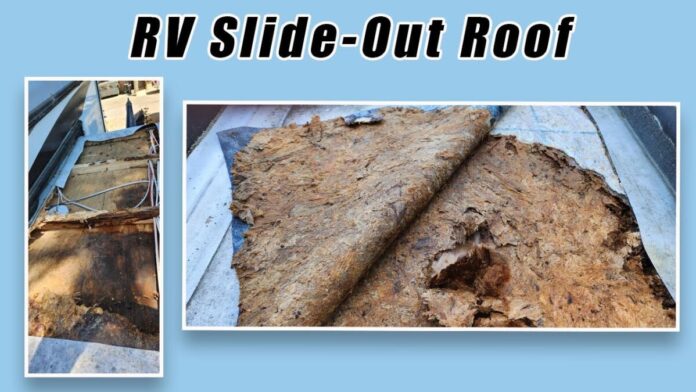
In this article and video, we’ll teach you how to prevent major water damage to your RV slide-out roof, showing you key tips and techniques to protect your RV from costly repairs. We’ll also take a close look at a recent repair job where we replaced the roof on a 2019 Keystone Big Horn slide-out that had suffered water damage due to improper sealing. Learn how to spot these issues early and take action to avoid similar problems.
Why protecting your slide-out roof is crucial
Slide-out roofs are vulnerable
The slide-out portion of your RV is one of the most vulnerable areas to water damage. These sections extend and retract, creating potential weak spots where water can get in. Without proper maintenance and sealing, water can enter the slide-out roof, leading to significant structural damage.
Hidden water damage
It’s often difficult to spot water damage on the slide-out roof right away. Water may slowly seep in through compromised seals or cracks, causing dry rot and mold to develop over time. If left unchecked, this can lead to extensive and costly repairs.
Case study: 2019 Keystone Big Horn slide-out roof replacement
In the below video, we’ll show you a real-life example of water damage we encountered on a 2019 Keystone Big Horn RV. The roof on the slide-out was replaced after water entered through the seams, causing dry rot. We’ll walk you through the process of inspecting the roof and identifying the areas where water damage occurred.
Inspection and diagnosis
We started by carefully inspecting the slide-out seals and roof edges. We noticed signs of water entry around the edges and seams, which led to dry rot in the slide-out roof. This water damage was not immediately visible, but the underlying structural damage was evident once we opened up the roof.
Roof replacement process
To repair the damage, we first removed the old, damaged roofing material and carefully inspected the frame. We replaced the damaged sections with new, high-quality materials designed to resist water infiltration.
Sealing and protection
After replacing the roof, we applied a new sealant around all the seams and edges to ensure that water wouldn’t penetrate the roof again. Proper sealing is critical to protecting the slide-out roof from future water damage.
Tips to prevent water damage to your RV slide-out roof
Regularly inspect seals
Inspect the seals around the slide-out regularly, especially after harsh weather conditions. Cracked or worn seals are the primary entry points for water, so keeping them in good condition is crucial.
Maintain proper drainage
Ensure that the roof is properly pitched to allow water runoff. If your RV has a flat roof, standing water can lead to leaks and damage over time. Use a roof cleaner to remove dirt and debris that could block water flow.
Check for leaks after every trip
Every time you extend and retract your slide-out, check for signs of leaks. Even a small amount of water can cause damage over time, so it’s best to catch any leaks early.
Reseal annually
Make it a habit to reseal the roof and slide-out seams annually, especially before the rainy season. Use high-quality RV-specific sealants that can withstand the harsh conditions RVs face on the road.
Dry and ventilate the slide-out
If you notice moisture inside the slide-out, dry it immediately. Ventilation is key to keeping moisture from accumulating and causing damage to the roof and interior.
How to spot early signs of water damage
Visible stains
Look for water stains or discoloration on the roof and interior ceiling. This could be a sign that water has already entered the roof and is starting to affect the structure.
Soft or spongy roof
Press gently on the roof around the edges and seams. If the roof feels soft or spongy, it could indicate that water has infiltrated and caused dry rot or weakened the materials.
Odor or mold
A musty odor inside the slide-out can be a strong indicator of water damage. Mold and mildew can grow quickly in damp environments, so it’s essential to inspect the area if you notice any unusual smells.
Conclusion
Water damage to your RV slide-out roof doesn’t have to be a major headache if you take the right precautions. By regularly inspecting your seals, maintaining proper drainage, and resealing the roof, you can avoid costly repairs and keep your RV in top condition for years to come. Watch the above video to see the step-by-step process of a roof replacement on a 2019 Keystone Big Horn slide-out, and learn how you can protect your RV from hidden water damage.
Don’t forget to subscribe for more RV maintenance tips and tricks to help keep your RV in peak condition!
More from Dustin
Make sure you check out my website, California RV Specialists, and our YouTube channel for more helpful information, and see our published articles on RVtravel.com and other social media pages.
RELATED
- RV inspector shares how to catch RV water damage early
- Your RV takes on water damage through more than rain. Protect those sealants!
- How to perform an exterior RV body reseal to protect RV from water damage
- Not maintaining your slide out seals could cost you big
RVDT2818